Iran has offered navigation support to India for ship passage through the Strait of Hormuz, denying any toll charges amidst heightened U.S. sanctions and threats of a blockade.
In a significant diplomatic gesture, Iran has reaffirmed its commitment to assist India with navigation through the Strait of Hormuz, a critical maritime passage for oil shipments, in light of increasing tensions stemming from U.S. sanctions. During a recent press briefing, Iranian Ambassador to India Mohammad Fathali articulated that Iran and India enjoy a strong bilateral relationship, stating, “In this difficult time, we have good relations. We believe Iran and India share common interests and a common fate.”
The ambassador emphasized that Iran has not charged India for the passage of its vessels through the Strait of Hormuz, even as U.S. President Donald Trump has threatened to blockade Iranian ports. Fathali stated, “You can ask the Indian government if we have charged anything up to now,” reinforcing Tehran’s position amidst ongoing scrutiny over maritime trade routes.
Strategic Importance of the Strait of Hormuz
The Strait of Hormuz serves as a vital artery for global oil transportation, with approximately 20% of the world’s petroleum traversing this narrow passage. For India, about half of its crude oil and liquefied petroleum gas (LPG) supplies transit through the strait, underscoring its strategic significance in ensuring energy security, especially amid fluctuating geopolitical tensions.
Recent developments indicate that India has resumed imports of Iranian oil after a hiatus of seven years, facilitated by a temporary waiver from the United States regarding oil purchases from Tehran. According to ship tracking data reported by Reuters, two very large crude carriers loaded with Iranian oil have successfully docked at Indian ports. This resumption marks a pivotal moment in India-Iran energy relations, highlighting India’s reliance on Iranian oil imports in the face of U.S. sanctions.
U.S. Sanctions and Blockade Threats
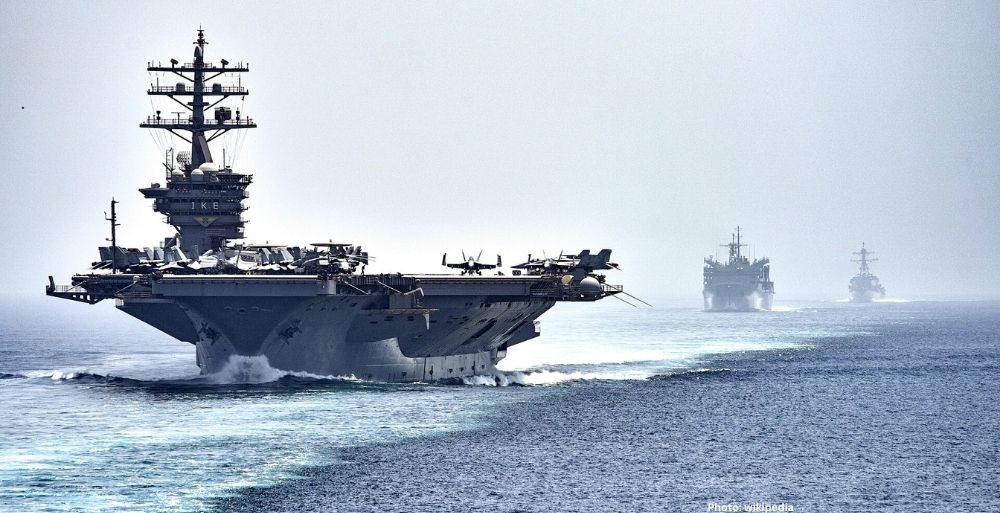
Fathali’s remarks come amidst a backdrop of escalating U.S. rhetoric concerning Iran’s oil exports. On a recent Sunday, Trump announced plans to implement a blockade on all Iranian Gulf ports, effective from 1400 GMT on the following Monday, a deadline that has since passed. This blockade aims to restrict all maritime traffic to and from Iranian ports, particularly through the strategically significant Strait of Hormuz. Trump further warned that any Iranian ship approaching the blockade would face severe consequences, stating, “If any of these ships come anywhere close to our BLOCKADE, they will be immediately ELIMINATED.” Such threats have heightened concerns over potential military confrontations in the region.
In response to these sanctions, Iran’s ambassador reiterated that the country is prepared to sell oil to any nation willing to purchase it, signaling Tehran’s intent to navigate around U.S. sanctions and maintain economic ties with willing partners. “Iran has oil and is ready to sell to any country that wants it,” Fathali asserted, emphasizing the country’s determination to continue its oil exports despite external pressures.
India’s Position and Future Prospects
The evolving situation places India in a delicate position as it must balance its energy needs with its diplomatic relationships with both Iran and the United States. The Indian Ministry of External Affairs has not publicly commented on the recent developments or on the Iranian ambassador’s statements regarding tolls or navigation support. India’s consistent denial of paying tolls for maritime passage reflects its strategic interests in maintaining a robust energy supply while navigating complex international relations.
The ongoing geopolitical tensions present both challenges and opportunities for India, particularly regarding its energy security and diplomatic engagement. As the potential for conflict escalates in the Strait of Hormuz, India may need to reassess its maritime strategies and strengthen diplomatic channels with Iran to ensure the security of its energy supplies. Additionally, India’s reliance on Iranian oil could prompt a reevaluation of its energy diversification strategies in the face of U.S. sanctions.
As the geopolitical landscape continues to evolve, the implications for international trade and regional stability remain substantial. The interactions between Iran and India could emerge as a focal point in the broader discourse on energy security and international relations in the coming months. The developments in this relationship will not only impact bilateral ties but may also influence regional dynamics involving other key players, including the United States and Gulf Cooperation Council (GCC) states.
Furthermore, the situation underscores the fragility of energy security in an era marked by geopolitical tensions and economic sanctions. The ability of countries like India to navigate these challenges will be crucial in determining their energy policies and international standing in the years ahead.