India’s Chief of Army Staff, General Upendra Dwivedi, met with senior U.S. Army leaders in Hawaii to enhance defense cooperation and address evolving security dynamics in the Indo-Pacific region.
HONOLULU — In a strategic move to bolster defense ties, India’s Chief of Army Staff, General Upendra Dwivedi, recently conducted discussions with senior U.S. Army officials in Hawaii. This official visit, which took place on April 10, 2023, focused on expanding defense cooperation and reinforcing stability across the Indo-Pacific region amid changing geopolitical dynamics.
General Dwivedi’s itinerary included meetings with U.S. Army Pacific Commanding General Ronald P. Clark and other high-ranking military leaders, where they engaged in detailed discussions aimed at deepening military ties and advancing a mutual vision of a free and stable Indo-Pacific. The timing of the visit is particularly significant, as both nations are increasingly prioritizing their strategic defense partnership in response to regional security challenges.
Formal Reception and Overview of Military Operations
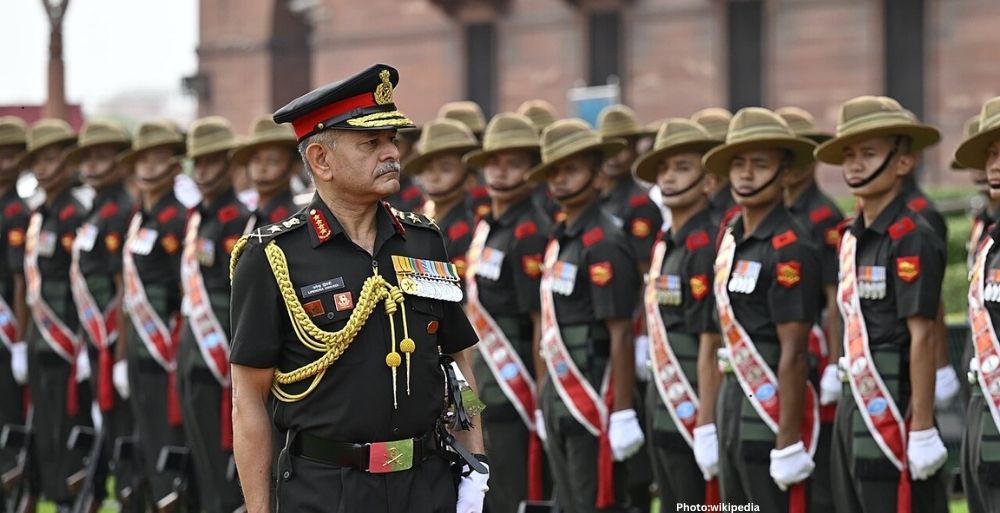
Upon arriving at Fort Shafter, the headquarters of U.S. Army Pacific, General Dwivedi received a formal Guard of Honor, underscoring the importance attributed to this visit. Following the ceremonial welcome, he embarked on an aerial tour of Oahu, which provided insights into ongoing military training operations and the multi-domain readiness of U.S. forces stationed in the region.
This visit coincides with a broader pattern of high-level military exchanges between India and the United States, reflecting their commitment to collaborative defense efforts. Earlier in April, U.S. Air Force Chief of Staff General Kenneth Wilsbach hosted Indian Air Force Chief Air Chief Marshal Amar Preet Singh in Washington. Their discussions emphasized the need to enhance interoperability, expand joint training, and strengthen deterrence capabilities in the Indo-Pacific.
Reinforcing Strategic Defense Partnerships
U.S. officials have characterized the defense relationship with India as a linchpin for maintaining a “free, open, peaceful, and prosperous Indo-Pacific region.” General Wilsbach praised India’s growing involvement in multinational military exercises, asserting the critical role of such cooperation in reinforcing regional deterrence. “It was an honor to host Air Chief Marshal AP Singh for this important counterpart visit,” Wilsbach remarked. “We had great discussions focused on modernization efforts, future training opportunities, and our shared commitment to a free, open, and prosperous Indo-Pacific.”
Amid these high-level dialogues, the acquisition of MQ-9B SkyGuardian drones by India was a focal point. U.S. officials highlighted ongoing efforts to ensure the Indian military is adequately prepared to deploy this advanced drone platform once it is delivered. This acquisition aligns with broader objectives to enhance India’s military capabilities and improve interoperability with U.S. forces.
Expanding Collaborative Frameworks
In addition to discussions about drone technology, meetings also explored collaboration through various defense programs, including the National Guard Bureau’s State Partnership Program and initiatives for advanced airlift training. There were also talks on expanding unmanned aerial operations, which are essential to the defense modernization goals shared by both nations.
Air Chief Marshal Singh reinforced the significance of these engagements, stating, “Opportunities like this are crucial for building our joint interoperability and strengthening the strategic partnership between our air forces.” This sentiment reflects a shared understanding among military leaders of the importance of cooperation in enhancing defense capabilities and fostering mutual trust.
Singh’s visit to the United States also included important stops at Peterson Space Force Base in Colorado, where he received briefings on North American aerospace and maritime defense operations. Additionally, he visited Nellis Air Force Base in Nevada, participating in a familiarization flight aboard an F-15EX Eagle II, showcasing the depth of military collaboration between the two nations.
Strategic Implications and Future Considerations
The recent high-level exchanges between Indian and U.S. military leaders highlight a growing commitment to defense coordination as both nations navigate an increasingly complex security landscape in the Indo-Pacific. As geopolitical tensions rise in the region, these engagements are pivotal in shaping the future of their defense relationship.
Historically, the Indo-Pacific region has become a focal point for global security concerns, particularly with the rise of China and its assertive territorial claims. The U.S. has sought to strengthen alliances in the region to counterbalance this influence, while India, with its strategic location and military capabilities, plays an essential role in this framework. The defense partnership between the U.S. and India, characterized by joint exercises, technology transfers, and collaborative training, is increasingly viewed as a countermeasure to regional threats.
As both nations continue to navigate the complexities of their defense relationship, the discussions and agreements reached during these high-level meetings will likely shape future military cooperation and strategic initiatives. The emphasis on interoperability, joint training, and advanced military capabilities indicates a mutual recognition of the importance of a united front in addressing the challenges facing the Indo-Pacific region.
In conclusion, the meetings held in Hawaii represent a significant step forward in enhancing U.S.-India defense ties. As both countries remain committed to fostering a secure and stable Indo-Pacific, the outcomes of these discussions will play a crucial role in determining the trajectory of their strategic partnership for years to come.