The nearly 20-year investigation into the 2006 Malegaon blasts, resulting in 31 fatalities, concludes without any accused facing trial, raising questions about the investigative processes in terrorism cases in India.
The protracted investigation into the 2006 Malegaon blasts, which resulted in the deaths of 31 individuals and injuries to over 300, has culminated in a situation where no accused will face trial. This outcome follows nearly two decades of inquiries involving multiple investigative agencies, including the Maharashtra Anti-Terrorism Squad (ATS), the Central Bureau of Investigation (CBI), and the National Investigation Agency (NIA).
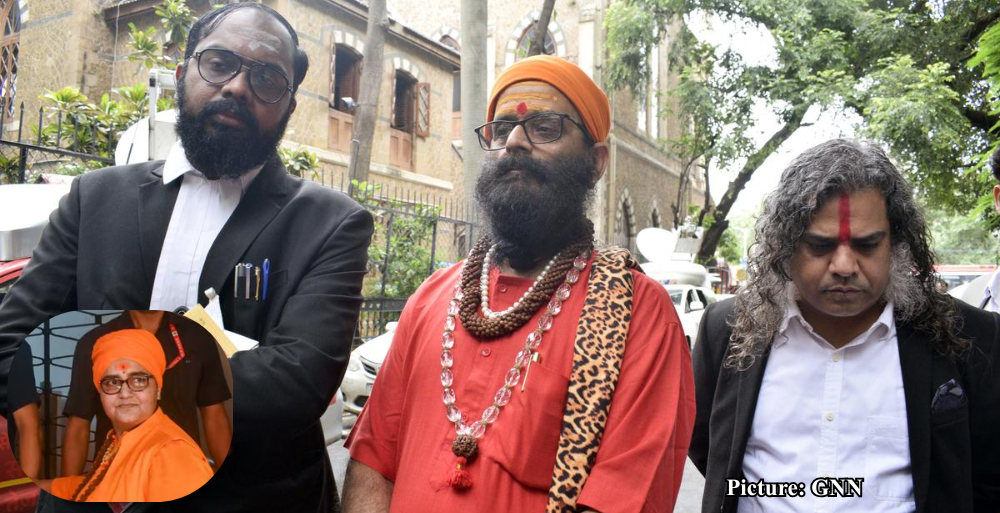
On September 25, 2023, the Bombay High Court acquitted four men: Manohar Narwaria, Rajendra Chaudhary, Dhan Singh, and Lokesh Sharma. This ruling marks a continuation of previous discharges in the case, notably the acquittal of nine Muslim men in 2016, who were also initially accused of involvement in the blasts. The recent verdict arrives less than a year after a special NIA court cleared all seven accused in a separate 2008 Malegaon blast case, which included significant figures like former BJP MP Sadhvi Pragya Singh Thakur and Lt Col Prasad Purohit, citing insufficient evidence.
The Attack
On September 8, 2006, four bombs detonated in Malegaon, a town with a significant Muslim population located near Nashik in Maharashtra. The explosions occurred shortly after Friday prayers, targeting several locations, including the entrance of Hamidia Masjid and Bada Kabrastan, as well as two bicycles positioned within the mosque’s premises and another in a crowded area known as Mushawarat Chowk. The immediate aftermath of the blast saw a chaotic scene, with 31 lives lost and more than 300 individuals injured, prompting an extensive investigation by local authorities.
Initially, local police conducted the investigation but handed the case over to the ATS in October 2006. The ATS alleged that the blasts were orchestrated by 13 members of the banned group Students Islamic Movement of India (SIMI), leading to the arrest of nine men. However, these arrests have been heavily scrutinized. In a landmark ruling by the Bombay High Court in July 2025, the court deemed the confessions obtained during interrogation as inadmissible, citing allegations of torture and coercion that cast doubt on the integrity of the ATS’s investigation.
Investigative Developments
In 2007, the case was transferred to the CBI, which upheld the allegations against the same group of accused. The investigation faced further complications when, in 2010, the CBI arrested Swami Aseemanand in connection with a separate blast at Mecca Masjid in Hyderabad. Aseemanand’s alleged confession implicated him in various terror acts, including the Malegaon blasts, but it was later declared involuntary, raising questions about the reliability of the evidence obtained during the investigation.
With the establishment of the NIA in 2008, the Malegaon case was reassigned to this agency. Conducting a thorough review of the evidence, the NIA concluded that the initial arrests were unfounded and that the confessions obtained by the ATS were coerced. Consequently, in 2013, the NIA filed a chargesheet naming different individuals, including Narwaria, Chaudhary, Singh, and Sharma, who were subsequently arrested. The NIA alleged that these individuals had executed the blasts under the supervision of Sunil Joshi, who was killed in 2007.
Recent Court Rulings
The NIA’s chargesheet alleged that the four men transported explosives from Indore to Malegaon and deliberately targeted the Muslim-majority area to incite communal violence. Despite these allegations, the High Court granted bail to the accused in June 2019, citing a lack of direct evidence linking them to the bombings. The court raised significant questions about the credibility of witness testimonies and the evidence presented against the accused.
In a further development, the High Court reviewed the case and, on September 25, 2023, ruled in favor of the four men, allowing their appeal against the charges. This decision has left the ATS, which still contests the earlier discharge of the nine Muslim men, seeking to pursue an appeal in the High Court. The ATS has expressed its intention to continue the legal battle, asserting that the case should not be dismissed and that all leads must be thoroughly examined.
Implications and Concerns
The failure to bring any accused to trial in the Malegaon blasts case raises significant concerns regarding the effectiveness and integrity of the investigative process in terrorism-related cases in India. The lengthy duration of the investigations, coupled with the acquittals and discharges, has led to questions about the handling of evidence, the reliability of confessions, and the broader implications for justice in terrorism cases. Legal experts have pointed out that the repeated failures to secure convictions in high-profile terrorism cases may undermine public confidence in law enforcement and the judicial system.
As the legal proceedings continue, the victims and their families remain without closure, and the specter of unresolved terror cases looms large over the Indian judicial landscape. The Malegaon case exemplifies the complexities involved in terrorism investigations, particularly concerning the balance between national security, community relations, and the rights of the accused. With ongoing appeals and investigations, the quest for justice in this case remains fraught with challenges, reflecting deeper societal divides and the urgent need for reform in how such cases are prosecuted and adjudicated in India.