A recent survey reveals that nearly 40% of Indian Americans have considered leaving the United States, citing political dissatisfaction, economic pressures, and social concerns as primary motivations.
In a significant survey conducted by the Carnegie Endowment for International Peace in collaboration with YouGov, it has come to light that a substantial portion of the Indian American community is contemplating emigration from the United States. This survey, which engaged 1,000 respondents, indicates that nearly 40% of Indian Americans have thought about leaving the country, driven by various political, economic, and social pressures.
Survey Findings and Implications
The survey findings reflect a growing unease within the Indian American community regarding their future in the United States. Of the respondents, 14% reported frequently considering emigration, while 26% indicated they had done so occasionally. The primary motivation cited for these sentiments was frustration with U.S. politics, highlighted by approximately 58% of respondents. This was closely followed by concerns regarding the rising cost of living, which 54% identified as a critical factor, and personal safety, mentioned by 41% of those surveyed.
Political Climate and Discontent
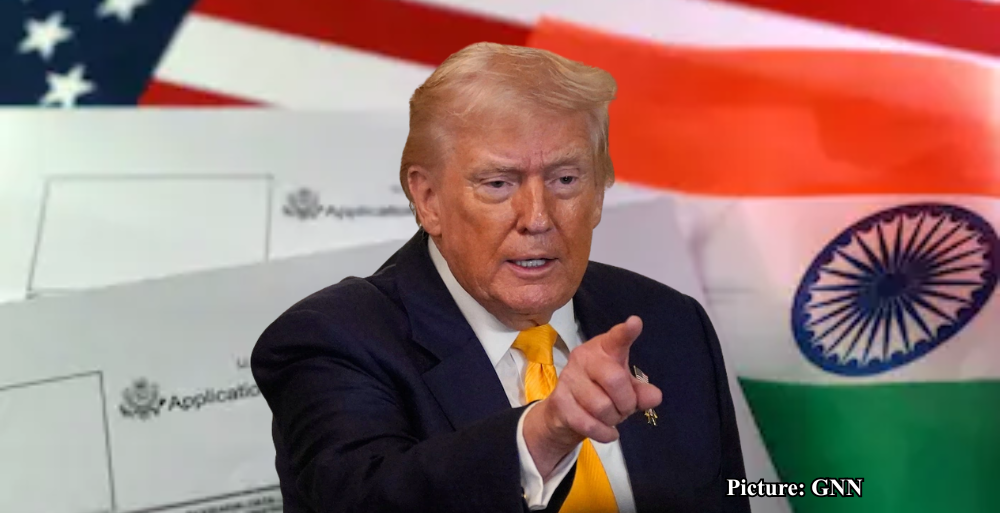
The political landscape appears to be a significant driver of these feelings of disillusionment. A striking 71% of respondents expressed dissatisfaction with former President Donald Trump’s management of key issues, including the economy, immigration, and international relations. Although foreign policy concerns were noted, they did not dominate the discussions. Instead, many respondents expressed discomfort with the tone of domestic politics, which has increasingly focused on an exclusionary narrative that resonates poorly with immigrant communities, including Indian Americans. Analysts suggest that rhetoric emphasizing ‘America for Americans’ has fostered a sense of alienation among these groups.
Social Pressures, Discrimination, and Safety Concerns
In addition to political factors, the survey highlights a growing sense of discrimination and social unrest within the Indian American community. Although there has not been a significant increase in overt violence since 2020, many respondents reported heightened anxiety about everyday biases, particularly in workplaces and online interactions. A notable number indicated they have modified their behavior or avoided certain discussions due to fears of discrimination, which has created a pervasive atmosphere of discomfort. This climate of social unrest contributes to the feelings of insecurity and alienation, making many individuals reconsider their long-term prospects in the U.S.
Economic Factors Influencing Emigration
The rising cost of living in major urban and technology hubs across the United States has emerged as another critical factor driving considerations of emigration. Economic pressures have intensified, with inflation and job security ranking as top concerns for many, cited by 21% and 17% of respondents, respectively. The financial burden of raising a child in the U.S. is estimated to exceed $300,000, while rents for one-bedroom apartments in cities like San Francisco, Seattle, and New York range from $3,000 to $5,000 monthly. These economic realities have made long-term residency increasingly untenable for many middle-class families and have prompted a reevaluation of their future in the U.S.
Challenges within the U.S. Immigration System
Perhaps the most persistent issue affecting the Indian American community is the U.S. immigration system. Long visa backlogs, delays in obtaining green cards, and ongoing policy uncertainty have left many skilled professionals, often employed on temporary work visas, feeling frustrated and uncertain about their future. Recent visa bulletins have reinforced the perception that achieving permanent residency remains an elusive goal for many in the diaspora, despite years or even decades of living and working in the U.S. This lack of stability, compounded by an increasingly hostile political environment, has emerged as a major source of frustration among the community.
Political Shifts within the Community
The survey also indicates a notable shift in the political affiliations of Indian Americans. Historically, this community has leaned heavily towards the Democratic Party. However, since 2020, there has been a noticeable decline in Democratic identification, while support for the Republican Party has remained relatively stable. Currently, around 30% of Indian Americans identify as independents, signaling a broader trend away from strict party loyalty. This shift illustrates a growing focus on practical issues such as job security, family safety, and long-term stability over traditional partisan alignments.
Broader Implications for Indian Americans
As the Indian American community navigates these challenges, the implications for their future in the United States remain significant. The intersection of political dissatisfaction, economic pressures, and social dynamics is reshaping the landscape for Indian Americans, prompting many to reconsider their long-term plans and aspirations in the country. This sentiment resonates not only within the Indian American community but also reflects broader trends among immigrant populations facing similar challenges. The findings of this survey could serve as a bellwether for policymakers and community leaders, highlighting the need for a more inclusive and supportive environment for all immigrants in the United States.
In conclusion, the data from the Carnegie Endowment survey underscores a critical juncture for Indian Americans, as nearly 40% express contemplation of leaving the U.S. Amidst political and economic uncertainties, the community’s future in the United States hangs in the balance, influenced by a complex interplay of factors that merit careful consideration from both political leaders and the broader society.