The upcoming 18th BRICS Summit in New Delhi is set against a backdrop of intensifying geopolitical rivalry and trade tensions, presenting both challenges and opportunities for its member states.
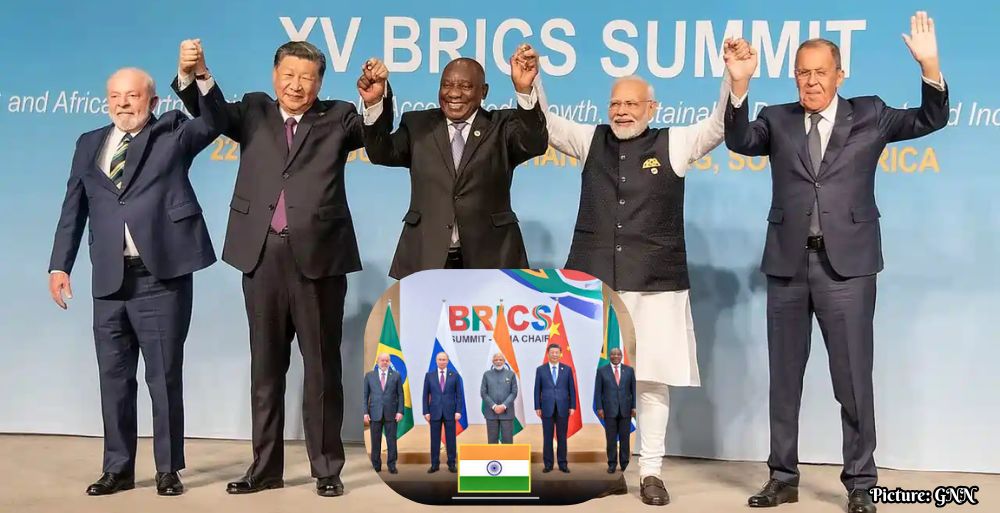
NEW DELHI: The 18th BRICS Summit, scheduled for September 2023 in New Delhi, is poised to be a pivotal event in the landscape of global politics. With geopolitical rivalries escalating and trade tensions deepening, the summit arrives at a time when international institutions are facing increasing scrutiny. Under India’s presidency, the summit will revolve around the theme of “Building for Resilience, Innovation, Cooperation, and Sustainability,” aiming to address the complex challenges presented by a polarized international system.
Global Polarization as a Defining Challenge
The phenomenon of global polarization has emerged as one of the most pressing issues confronting the international community today. Strategic competition among major powers, coupled with ongoing conflicts in regions such as Europe and the Middle East, has led to economic sanctions, supply chain disruptions, and an intensifying technological rivalry. These dynamics have fragmented nations into competing blocs, complicating international collaboration on critical issues such as climate change, global health, food security, and sustainable development.
BRICS: An Opportunity for Reform and Collaboration
In this increasingly complex environment, BRICS stands out as both an opportunity and a challenge. The expanded coalition now brings together major emerging economies from Asia, Africa, Latin America, and the Middle East, enhancing its demographic, economic, and political clout. Collectively, BRICS nations account for approximately 42% of the global population and nearly 25% of the world’s gross domestic product (GDP), bolstering their potential influence in global governance discussions.
One of the summit’s primary opportunities lies in promoting reformed multilateralism. India has been a staunch advocate for reforms within the United Nations, the International Monetary Fund, the World Bank, and other global institutions to ensure that developing countries are better represented. Such reforms could address inequalities in global decision-making processes and amplify the voice of the Global South, allowing these nations to participate more meaningfully in shaping the rules that govern international relations.
Strengthening Economic Ties
Economic cooperation is expected to take center stage at the summit. BRICS nations are anticipated to discuss measures aimed at enhancing trade in local currencies, improving supply chain resilience, expanding infrastructure financing through the New Development Bank, and increasing investments in sustainable development. These initiatives have the potential to mitigate vulnerabilities exacerbated by geopolitical tensions while fostering inclusive economic growth.
For instance, the discussion around local currency trade could significantly reduce dependence on the US dollar, which has been a point of contention amid rising protectionism and unilateral sanctions from Western nations. By fostering trade in local currencies, BRICS aims to bolster economic sovereignty and resilience against external shocks.
Technological Innovation and Ethical Development
Furthermore, technology and innovation are anticipated to be significant focal points of cooperation among BRICS members. Key topics such as artificial intelligence, digital governance, cybersecurity, and the development of digital public infrastructure are expected to receive considerable attention. Member countries aim to bridge the digital divide while ensuring responsible and ethical technological advancement.
The importance of technology in the modern geopolitical landscape cannot be overstated. As nations increasingly rely on digital solutions for governance, economic management, and security, the BRICS nations are positioned to collaborate on establishing standards and frameworks that promote ethical practices while ensuring that technological advancements benefit all segments of society.
Internal Challenges Facing BRICS
Despite the opportunities, the expanded BRICS grouping grapples with internal challenges. Member states exhibit diverse political systems, economic objectives, and foreign policy priorities. Disparities concerning regional conflicts, security issues, and strategic partnerships may hinder consensus on sensitive geopolitical matters. For example, differing approaches to conflicts in Ukraine and the Middle East have the potential to create rifts among member nations.
Maintaining unity while honoring national interests will be one of the bloc’s most significant tests moving forward. As the member nations aim to present a united front, the challenge will be to reconcile their varied perspectives on global issues while fostering a cooperative spirit.
India’s Role as a Mediator
India’s presidency offers a unique chance to position BRICS as a facilitator of dialogue rather than as a competing geopolitical force. By prioritizing dialogue, development, and cooperation over confrontation, New Delhi aims to illustrate that emerging economies can constructively contribute to international peace, sustainable development, and economic resilience. Recent ministerial meetings have indicated that preparations are underway, focusing on practical cooperation in areas including trade, innovation, climate action, and people-centered development in anticipation of the upcoming leaders’ summit.
India’s strategic approach aims to highlight the importance of collective action in addressing transnational challenges, such as climate change and health crises, which require cooperation across borders. By promoting an agenda that prioritizes mutual benefits and collaboration, India hopes to redefine BRICS’ role on the global stage.
Implications of the New Delhi Summit
Thus, the New Delhi Summit is anticipated to transcend the conventional framework of an annual diplomatic gathering. It has the potential to serve as a defining moment in determining whether BRICS can effectively mitigate global polarization by fostering dialogue among diverse nations while advancing the interests of the Global South. The summit’s outcomes will be closely watched, as they may indicate the bloc’s ability to unite its members around shared goals and transform political commitments into tangible actions that promote stability, sustainable development, and a more equitable international order.
Ultimately, the success of the BRICS Summit will depend on the willingness of member states to transcend their differences and collaborate on common challenges. As emerging economies continue to assert their influence in a rapidly changing world, the decisions made during this summit may have far-reaching implications for the international order and the dynamics of global governance.