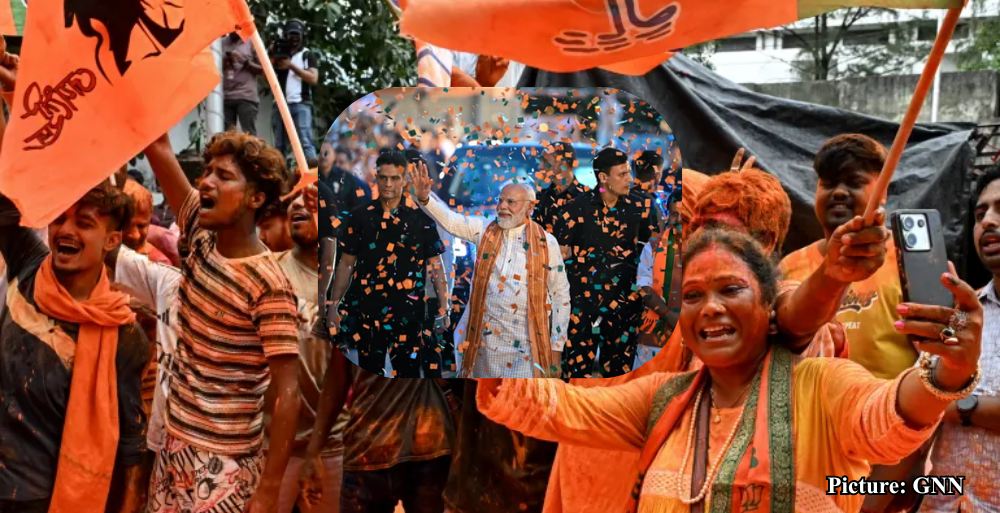
As West Bengal approaches its elections, the interplay of anti-incumbency sentiments, allegations of governance failures, and the integrity of electoral processes raises critical questions about political accountability in the region, particularly when juxtaposed with the situation in Assam.
With elections on the horizon in West Bengal, the political landscape is increasingly fraught with tensions, driven by mounting concerns regarding the performance of the incumbent government led by Chief Minister Mamata Banerjee. The Trinamool Congress (TMC) has maintained power in the state for over fifteen years, yet it faces significant scrutiny over allegations of corruption, administrative fatigue, and political violence, which some observers argue may alienate voters. However, this narrative of anti-incumbency appears to apply unevenly across states, especially when contrasting West Bengal’s situation with that of Assam.
Political analysts contend that while Mamata Banerjee is under fire for perceived governance failures, her counterpart in Assam, Chief Minister Himanta Biswa Sarma, navigates a notably different political environment despite facing similar allegations of corruption and communal polarization. This stark contrast raises pivotal questions about the dynamics of political accountability in India. While Banerjee grapples with increasing discontent, Sarma’s administration has largely evaded similar backlash, even amid accusations of cronyism and oppressive governance tactics.
Electoral Dynamics and Institutional Integrity
The role of the Election Commission of India (ECI) has come under intense scrutiny, as many accuse it of functioning less as a neutral arbiter and more as an extension of the ruling Bharatiya Janata Party (BJP). This perception is particularly salient in the context of recent electoral maneuvers in Assam, where a selective delimitation process was conducted in 2023. Critics argue that this exercise was aimed at diminishing the electoral influence of Bengali-speaking Muslims while enhancing the representation of BJP-supportive regions.
Moreover, the Special Intensive Revision (SIR) of voter rolls has been criticized for disenfranchising large numbers of eligible voters, particularly from marginalized communities. Reports indicate that many voters were removed from the electoral rolls under vague categories such as “logical discrepancies,” raising alarms about the fairness of the electoral process and the safeguarding of democratic rights. This mass disenfranchisement has sparked outrage among civil society groups and opposition parties, who argue that these actions undermine the very foundations of democracy.
Additionally, the arbitrary transfer of nearly 500 election officials in West Bengal, including high-ranking bureaucrats such as the Chief Secretary and Director General of Police, has raised significant concerns about federalism and the independence of electoral administration. Critics contend that these actions reflect an alarming trend toward the centralization of power, effectively undermining democratic principles and the capacity of state institutions to operate independently.
Judicial Independence and Political Rhetoric
The judiciary’s role in this political landscape also warrants critical examination. The Calcutta High Court’s dismissal of challenges to the Election Commission’s actions has led to concerns about the independence and integrity of the judiciary itself. Allegations have surfaced regarding affiliations between certain judges and the Rashtriya Swayamsevak Sangh (RSS), the ideological parent organization of the BJP. Such affiliations, critics argue, could compromise the judiciary’s ability to act as an impartial guardian of constitutional rights and civil liberties.
Political rhetoric has further exacerbated tensions in the lead-up to the elections. Prime Minister Narendra Modi’s recent speeches, including remarks made during a Doordarshan address concerning the Women’s Reservation Bill, have drawn criticism for blurring the lines between governmental communication and political campaigning. This apparent disregard for the Model Code of Conduct raises serious concerns about the equitable application of electoral regulations and the integrity of the electoral process.
On March 12, an extraordinary move by 193 opposition Members of Parliament attempted to remove Chief Election Commissioner Gyanesh Kumar, alleging that he was unduly influenced by the executive branch and had abused his constitutional office. The notice for removal was dismissed without explanation, leaving opposition leaders and observers questioning the integrity of electoral oversight in India. This incident has sparked calls for greater transparency and accountability within the Election Commission.
Additionally, remarks made by Justice Joymalya Bagchi, suggesting that voters could defer their participation to future elections, have ignited outrage among advocates for electoral rights. Such statements, critics argue, diminish the fundamental importance of voting as a democratic duty and right, emphasizing the need for judicial accountability in maintaining democratic norms.
Conclusion: The Path Ahead
The current political climate in West Bengal and Assam raises critical questions about the integrity of democratic institutions in India. As the elections approach, the perceived erosion of electoral fairness and judicial independence casts a shadow over the prospects for transparent governance. Allegations of corruption and political manipulation are likely to intensify calls for electoral reform and institutional accountability, shaping the future of democratic engagement in the region. The divergent experiences of West Bengal and Assam underscore the complexities of political accountability in India, highlighting a pressing need for sustained scrutiny of electoral institutions and practices.