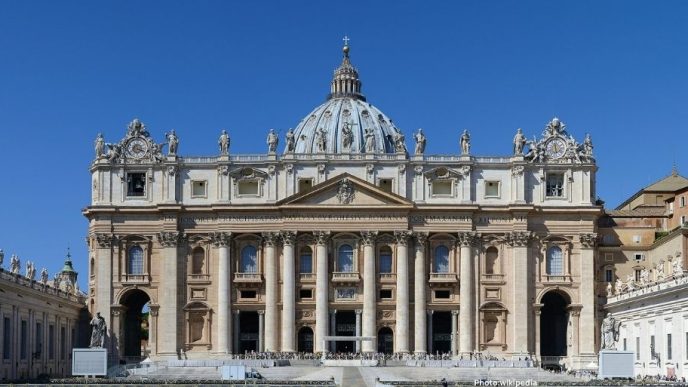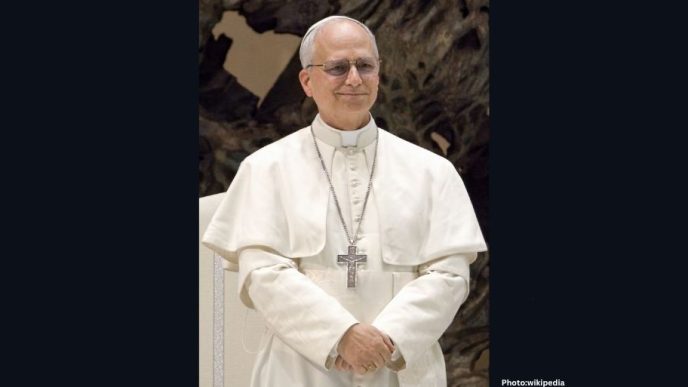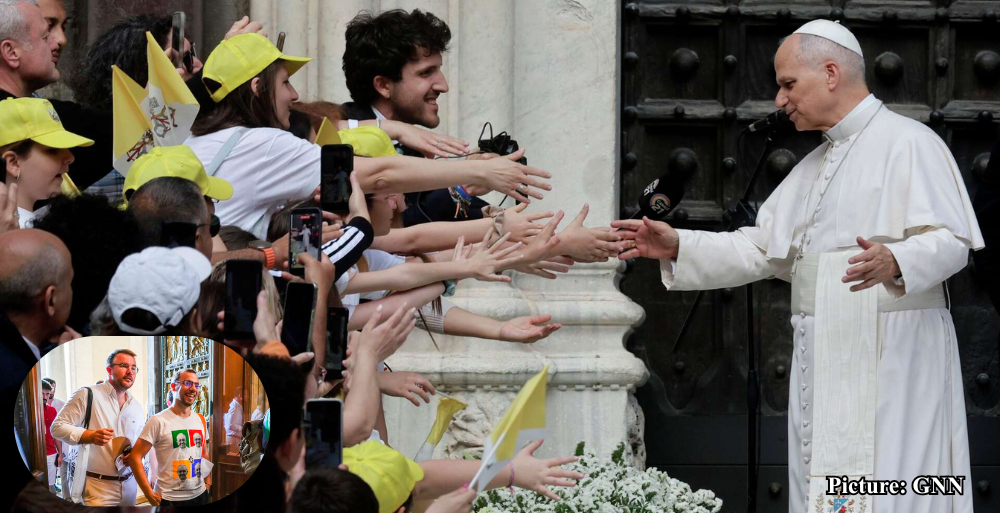
The Vatican is demonstrating a dual approach to LGBTQ+ Catholics under Pope Leo XIV, showing both openness and clear limitations, as the church navigates a complex landscape of internal and external pressures.
VATICAN CITY — The Vatican is taking steps to engage with LGBTQ+ Catholics, signaling a nuanced approach under the leadership of Pope Leo XIV. This comes in the wake of a report released by a Vatican working group that included personal testimonies from gay, married Catholics, highlighting the challenges they face within the church. The report, which surfaced this week, has elicited both praise and criticism, reflecting the ongoing tensions surrounding the Catholic Church’s stance on sexual morality.
The report features the heartfelt accounts of two gay men, one from Portugal and the other from the United States, who shared their experiences of navigating their faith alongside their sexual orientation. Their testimonies underscore the emotional turmoil caused by the church’s traditional teachings, including negative remarks from spiritual leaders and experiences with discredited practices such as conversion therapy.
During a recent press conference on a flight, Pope Leo XIV indicated that he considers the church’s teachings on social justice, equality, and freedom to be of greater importance than its doctrines on sexual morality. This statement has been interpreted as a sign that he does not intend to prioritize the issue of same-sex relationships, even as he expressed a commitment to listening to LGBTQ+ Catholics.
Continuity and Change in Church Teachings
Father James Martin, a prominent Jesuit priest and advocate for LGBTQ+ inclusion in the church, remarked that the Vatican’s engagement with LGBTQ+ voices signifies a significant shift in the church’s approach. “If the Catholic Church has begun to listen to LGBTQ Catholics as part of its methodology, the church has already moved forward in a significant way,” he stated. Martin emphasized that the inclusion of such personal stories in an official Vatican report marks an important milestone.
However, the report has not been without its detractors. Conservative factions within the church have voiced strong opposition, reaffirming the traditional teaching that views homosexual acts as “intrinsically disordered.” Bishop Joseph Strickland, recently removed from his position as bishop of Tyler, Texas, characterized the report as “deeply alarming,” arguing that it undermines established church doctrine regarding sexuality and morality.
The Implications of the Synod Document
The working group’s report is part of a broader synodal process initiated by Pope Francis, aimed at reforming the church’s approach to various contentious issues, including LGBTQ+ inclusion. While the report itself does not carry binding authority, it serves as a reflection of the discussions occurring within the church regarding LGBTQ+ ministry.
The testimonies presented in the report detail the struggles faced by the individuals involved, including experiences of forced conversion therapy and negative pastoral care. One participant highlighted that his sexuality is a “gift from God,” countering the traditional narrative that frames homosexuality in a negative light. In response to these accounts, the Courage organization, which advocates for individuals with same-sex attraction to live chastely, expressed disappointment over the negative portrayal of its efforts, stating that it has never engaged in reparative therapy.
International Tensions and Local Guidelines
The debate over LGBTQ+ issues in the church is particularly pronounced in Germany, where bishops have issued guidelines allowing for the blessing of same-sex couples. These guidelines, which some argue exceed the scope of Vatican permissions, have sparked significant dissent among conservative bishops, particularly from Africa and other regions.
The Vatican responded to these developments by reiterating its position against same-sex blessings. A letter from Cardinal Victor Manuel Fernández, head of the Vatican’s doctrine office, clarified that while spontaneous blessings for same-sex couples can occur, they should not mirror the formality of sacramental marriage. This response aims to maintain doctrinal consistency while addressing pastoral needs.
Despite this tension, Cardinal Reinhard Marx of Germany has advocated for the adoption of local guidelines, emphasizing pastoral care that aligns with the realities of LGBTQ+ relationships. Cardinal Pietro Parolin, the Vatican’s Secretary of State, has indicated that discussions with German bishops are ongoing, and the possibility of sanctions against clergy utilizing these guidelines appears unlikely for the time being.
A New Direction for the Church?
Pope Leo XIV’s remarks suggest a shift in focus from sexual matters to broader social issues such as justice and equality. He has stated that the unity of the Church should not hinge on sexual issues, indicating a desire to prioritize more significant moral questions facing society today. Advocates for LGBTQ+ Catholics have welcomed this perspective, viewing it as a potential turning point in the church’s relationship with LGBTQ+ individuals.
Francis DeBernardo, executive director of New Ways Ministry, praised the Pope’s measured comments, interpreting them as a signal of a shift away from the church’s historical fixation on sexual ethics. He noted that Leo’s non-confrontational approach to the German guidelines fosters a spirit of collegiality within the church, which many hope will lead to a more inclusive environment for all Catholics.
As the Vatican continues to navigate these complex issues, the future of LGBTQ+ inclusion in the Catholic Church remains uncertain. However, the recent developments reflect a growing acknowledgment of the voices and experiences of LGBTQ+ Catholics, signaling a potential evolution in church teachings and practices.