The Vatican has announced that Pope Leo XIV will release his first encyclical, focusing on the ethical implications of artificial intelligence, emphasizing human dignity and social justice, and establishing a study group to address these issues.
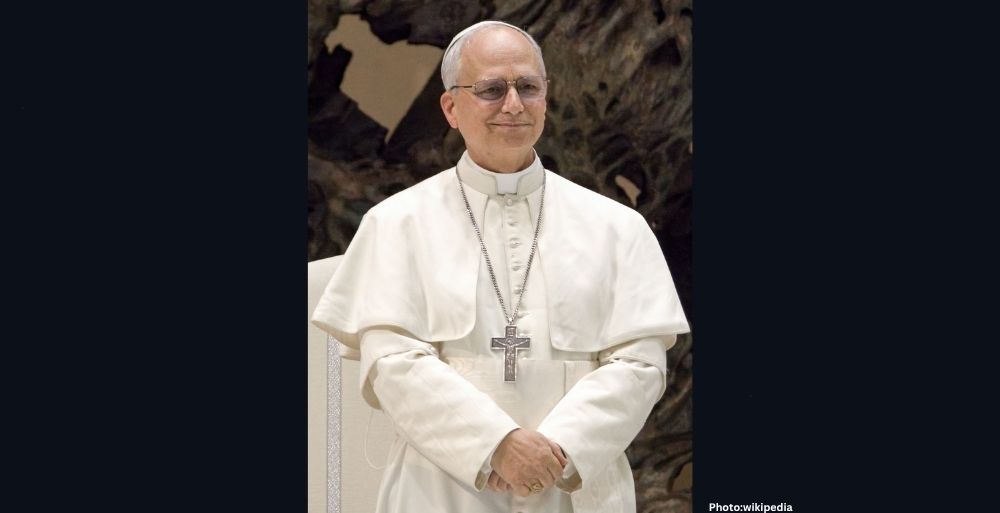
VATICAN CITY (AP) — Pope Leo XIV is set to release his inaugural encyclical, emphasizing the ethical considerations surrounding artificial intelligence (AI). The Vatican announced on Saturday that the Pope has formed an internal study group dedicated to examining the rapid advancements in AI technology and its potential effects on humanity. This decision aligns with the Pope’s commitment to prioritizing human dignity and peace in discussions regarding technological innovation.
The encyclical’s announcement coincided with the 135th anniversary of the publication of “Rerum Novarum,” a pivotal encyclical by Pope Leo XIII that addressed workers’ rights amidst the Industrial Revolution. This historical context serves as a backdrop for Pope Leo XIV’s engagement with modern challenges posed by AI, mirroring existential questions raised during the earlier industrial era.
Historical Context of Papal Social Teaching
The encyclical, which is expected to be publicly released in the coming weeks, aims to place the discourse on AI within the framework of the Catholic Church’s social teachings. These teachings encompass critical issues such as labor rights, justice, and peace. The Pope’s recognition of AI’s role in shaping contemporary society reflects a broader understanding of technology’s impact on human life.
Meghan Sullivan, a philosophy professor at the University of Notre Dame and director of its ethics institute, stated, “I think that the Catholic Church in many ways is going to be the adult in the room on some of these debates about how we are going to integrate AI into the rest of our society.” She emphasized the Pope’s role as a leading advocate for human dignity in these discussions.
AI and Global Political Dynamics
The encyclical is anticipated to stir discussions between the Vatican and the Trump administration, particularly as the U.S. government has prioritized the rapid development of AI technologies as a key component of its national economic and security strategy. The Trump administration has been critical of international regulatory efforts to manage AI, reflecting a stark contrast to the Vatican’s more cautious approach.
As discussions around AI intensify globally, the Vatican’s emphasis on ethical considerations adds a significant dimension to the ongoing debates. The Vatican seeks to contribute its moral perspective to the dialogue, advocating for the responsible use of technology that aligns with human values.
The Vatican’s Position on AI Ethics
In recent years, the Vatican has taken steps to position itself as a key voice in the conversation surrounding AI ethics. Following the public emergence of AI technologies such as ChatGPT, the Vatican has raised concerns about the potential risks and ethical dilemmas posed by these advancements. The Church has warned against the dangers of bias, misinformation, and the environmental impact of AI development, highlighting the vast resources required for AI operations.
In 2020, the Vatican initiated the Rome Call for AI Ethics, which sought to establish fundamental principles for the ethical development and application of AI. This initiative garnered support from prominent tech companies, including Microsoft and IBM, emphasizing the importance of inclusivity, accountability, and privacy in AI systems.
Pope Leo XIV’s Perspective on AI
Pope Leo XIV, who has a background in mathematics, has expressed a nuanced understanding of AI’s implications. He has cautioned against the use of AI in crafting religious homilies, emphasizing the importance of human insight and authenticity in spiritual matters. The Pope’s engagement with AI extends to his concerns about its impact on global peace, truth, and human relations.
In a speech delivered at an AI conference in June 2025, the Pope acknowledged the benefits of generative AI in enhancing healthcare and scientific discovery while questioning its potential consequences on humanity’s relationship with truth. He asserted that the pursuit of truth is a fundamental aspect of the Church’s mission, particularly in an era where misinformation can proliferate through advanced technologies.
Calls for Responsible AI Development
Pope Leo XIV’s focus on AI is also rooted in a commitment to monitor its applications in warfare, particularly in conflict zones such as Ukraine and the Middle East. He has voiced concerns regarding the usage of automated weapons systems and the ethical dilemmas they present. The Pope’s remarks highlight a pressing need for accountability and oversight in the deployment of AI technologies in military contexts.
As the Vatican prepares for the release of the encyclical, the Pope’s message is expected to resonate with a global audience, given the Catholic Church’s significant following. Thomas Harmon, a theology professor at the University of St. Thomas in Houston, remarked, “There are almost a billion and a half Catholics in the world, so that alone is reason to pay attention.” The Church’s rich tradition of ethical reflection on humanity’s relationship with technology positions it as a vital participant in the ongoing discussions surrounding AI.