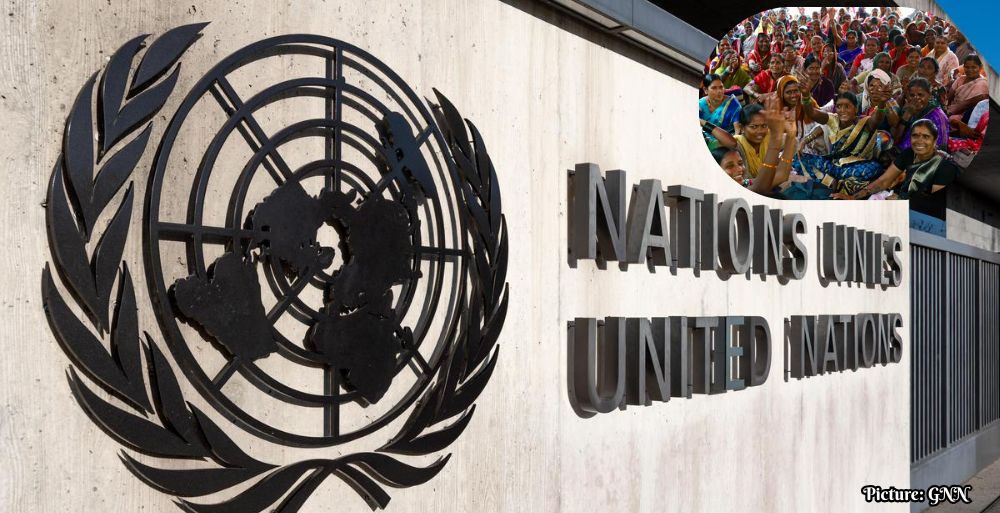
The U.N. Committee on the Elimination of Racial Discrimination has expressed significant concerns regarding India’s handling of minority rights, highlighting ongoing violence against Dalits and non-citizens, and calling for greater transparency and accountability.
In a pivotal review, the United Nations Committee on the Elimination of Racial Discrimination (CERD) has articulated profound concerns regarding the treatment of minority ethnic and ethno-religious groups in India. This marks the first comprehensive assessment of India’s compliance with the International Convention on the Elimination of All Forms of Racial Discrimination since 2007. The committee’s findings, released on August 31, 2026, underscore a troubling trend in law enforcement practices that have reportedly led to violence against Dalits, non-citizens, and other marginalized communities.
India ratified the International Convention on the Elimination of All Forms of Racial Discrimination in 1968, committing to uphold the principles of racial equality and non-discrimination. However, CERD has criticized the Indian government for failing to provide detailed updates on investigations and actions taken in response to allegations of such violence. This lack of transparency raises critical questions about the government’s commitment to addressing systemic discrimination.
Key Issues Identified by the Committee
The CERD report highlights several critical issues, including the continued manual cleaning of sewers—a practice that persists despite a legal ban—significant levels of hate speech directed at minorities, and dire living conditions for Rohingya Muslims. Additionally, the committee expressed serious concerns about the implementation of the National Register of Citizens (NRC), which has led to widespread disenfranchisement and loss of citizenship for many individuals.
Furthermore, the report points to large-scale deletions from electoral rolls, which have raised alarms regarding the integrity of India’s democratic processes. The use of various legal instruments, such as the Foreign Contribution (Regulation) Act (FCRA), Unlawful Activities Prevention Act (UAPA), Armed Forces (Special Powers) Act (AFSPA), and Prevention of Money Laundering Act (PMLA), has been perceived as a means to suppress the activities of civil society organizations, further complicating the landscape of human rights advocacy in the country.
Despite the Indian government’s argument that caste discrimination does not fall under Article 1 of the convention—asserting that caste is distinct from race—CERD maintains that all forms of discrimination based on inherited status fall within its purview. Additionally, the Bharatiya Nyaya Sanhita, the proposed legislation aimed at addressing hate speech, has been criticized for not specifically criminalizing racist hate speech, reflecting a gap in the legal framework protecting minority rights.
Administrative Challenges and Data Limitations
The report emphasizes the significant challenges posed by the absence of disaggregated data on disenfranchised communities. This issue has been compounded by delays in conducting a national census and sluggish releases of data from the National Crime Records Bureau (NCRB). The lack of reliable data has created obstacles to independent evaluations of India’s claims regarding its efforts to combat caste- and faith-based discrimination. Furthermore, reliance on outdated data from the 2011 Census risks obscuring potential regressions in the socioeconomic status of Scheduled Tribes and Adivasis.
Last year, the Global Alliance of National Human Rights Institutions recommended a downgrade of the National Human Rights Commission (NHRC), citing issues such as the appointment of police officers to investigative roles and a lack of pluralism within the commission. This situation underscores the urgent need for robust national oversight mechanisms to ensure accountability and transparency in addressing human rights violations.
Recommendations and the Path Forward
In light of these findings, CERD has outlined several recommendations aimed at improving the plight of marginalized communities in India. Key among these recommendations are restoring the independence of the NHRC, criminalizing hate speech, implementing affirmative action policies, collecting and disseminating disaggregated data, and enhancing the transparency of electoral roll revisions. Strengthening enforcement mechanisms to ensure accountability for acts of discrimination is also deemed essential.
However, the Indian government’s attempts to classify the challenges faced by approximately 200 million Dalits as a “domestic matter” to evade international scrutiny, coupled with the dismissal of CERD’s concerns as politically motivated, suggest a reluctance to engage meaningfully with these issues. This stance may necessitate that civil society organizations continue to play a crucial role in advocating for accountability and the rights of all citizens within both national and international contexts.
As India navigates these pressing human rights challenges, the responses from the government, civil society, and the international community will be critical in shaping the future trajectory of racial and caste discrimination in the country. The interplay of these factors will determine whether India can fulfill its international commitments to uphold the rights of all its citizens, particularly those from marginalized communities.