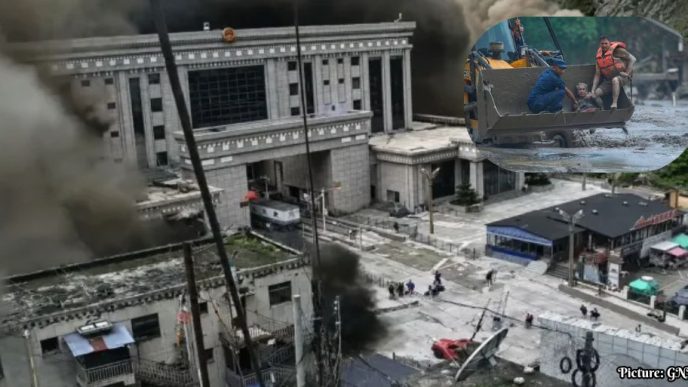
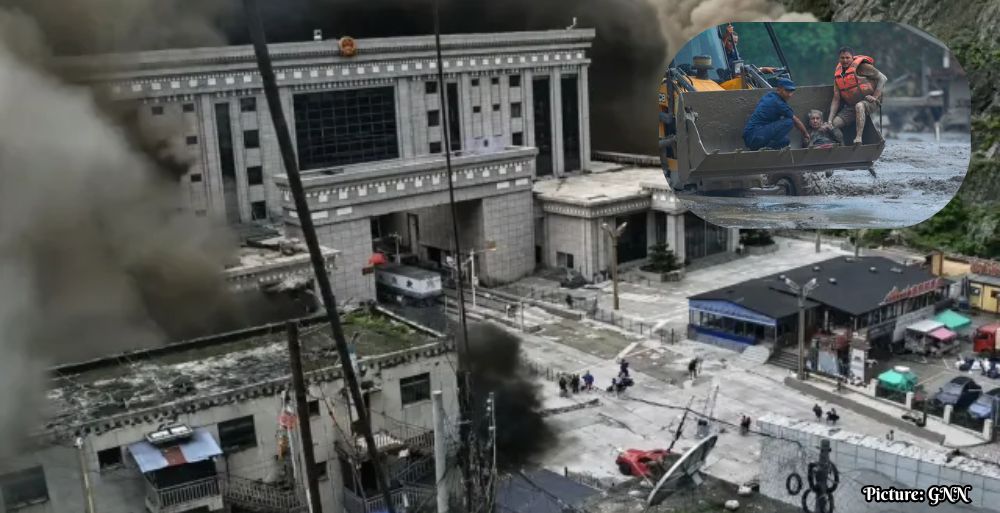
The recent flash floods in Nepal, triggered by a glacial collapse, have resulted in a rising death toll and highlight the increasing vulnerability of mountain regions, according to UN climate chief Simon Stiell.
On August 30, 2026, United Nations climate chief Simon Stiell addressed the devastating impacts of flash floods that occurred near the Nepal-China border, emphasizing the growing fragility of the Hindu Kush Himalayas due to climate change. The floods, triggered by an ice-rock avalanche following a glacial collapse, have led to a reported death toll of 788, with over 2,500 individuals still unaccounted for as rescue operations continue.
Details of the Disaster
The catastrophic event unfolded on August 26 when an avalanche sent torrents of water, mud, and debris cascading downstream, severely affecting towns and villages across northern and central Nepal. This disaster has not only resulted in significant loss of life but has also caused widespread destruction of infrastructure, including the washing away of hydropower stations crucial for the region’s energy supply.
According to Nepal’s National Disaster Risk Reduction and Management Authority (NDRRMA), the situation remains dire as rescuers work tirelessly to locate those who remain missing and to assist individuals stranded by the floods. The Bhotekoshi River, which flows south from the Himalayan border region, was significantly impacted, carrying floodwaters that wreaked havoc in its path. The NDRRMA’s reports indicate that the destruction extends beyond immediate loss of life, with significant damage to roads, bridges, and other essential infrastructure, complicating rescue and recovery efforts.
International Response and Concerns
In the wake of this disaster, the Indian Ministry of External Affairs (MEA) reported that more than 275 Indian nationals and 128 individuals of Indian origin have been reported missing in Nepal. The MEA shared on its X handle a list of 149 individuals who have been successfully rescued, indicating ongoing efforts to coordinate international assistance as the situation evolves. This incident underscores the cross-border implications of natural disasters in the region, highlighting the interconnectedness of the communities along the Nepal-China border.
Climate Change and Its Implications
Stiell highlighted the broader implications of this disaster, noting that scientists and local communities have long warned about the risks posed by climate change to the Hindu Kush Himalayas. He stated, “We also know a warming climate, driven by humanity burning colossal amounts of coal, oil, and gas, is making tragedies like this one, and so many others around the world, much more likely, frequent, and severe, with vulnerable communities often hardest hit.” His remarks reflect a growing consensus among climate scientists regarding the direct correlation between climate change and the increased frequency of extreme weather events.
The Hindu Kush Himalayas, often referred to as the “Third Pole,” are critical not only for their biodiversity but also for the millions of people who depend on their rivers for drinking water and agriculture. The region has already been experiencing the effects of climate change, including glacial retreat, altered precipitation patterns, and more frequent landslides. Stiell’s comments serve as a wake-up call to the international community, emphasizing the urgent need for action to address the root causes of climate change.
Call for Action
In light of the escalating climate crisis, Stiell urged for immediate action, advocating for a more rapid global transition from fossil fuels to renewable energy sources. He emphasized the necessity for increased investment in climate resilience to mitigate such disasters in the future. He pointed out that while the tragedies caused by climate change are stark, the solutions to addressing global heating are equally clear. The call for a shift towards sustainable energy practices and investment in infrastructure that can withstand climate-related events is more pressing than ever.
This flood disaster serves as a stark reminder of the vulnerabilities faced by Himalayan regions and highlights the urgent need for comprehensive climate strategies. As rescue operations continue, the international community is urged to respond not only with immediate aid but also with long-term strategies to combat the underlying causes of climate change. The ongoing recovery efforts and the response to this disaster will likely influence discussions on climate policy and disaster preparedness in the region, as nations increasingly recognize the interconnectedness of environmental stability and community resilience.
Historical Context and Future Implications
The Hindu Kush Himalayas have historically been susceptible to natural disasters, but the frequency and severity of such events appear to be intensifying due to climate change. The region’s unique geography, characterized by steep slopes and fragile ecosystems, makes it particularly vulnerable to flash floods and landslides. As global temperatures continue to rise, the situation is expected to worsen, prompting calls for immediate action from both local governments and international organizations.
In addition to immediate humanitarian needs, the disaster poses long-term challenges for regional governance and cooperation. Countries sharing the Himalayan ecosystem must collaborate on disaster management and climate adaptation strategies to ensure the safety and resilience of their populations. This tragedy serves as a critical moment for regional leaders to prioritize climate action and disaster preparedness in their policy agendas.
As the death toll continues to rise and recovery efforts progress, the international community’s response will be closely monitored. The effectiveness of these efforts in addressing immediate needs, as well as their alignment with long-term climate strategies, will be crucial in shaping the region’s resilience to future disasters.