The national average price for gasoline has surged to $4.14 per gallon, marking the highest level recorded for the Labor Day weekend, driven by geopolitical tensions and supply disruptions.
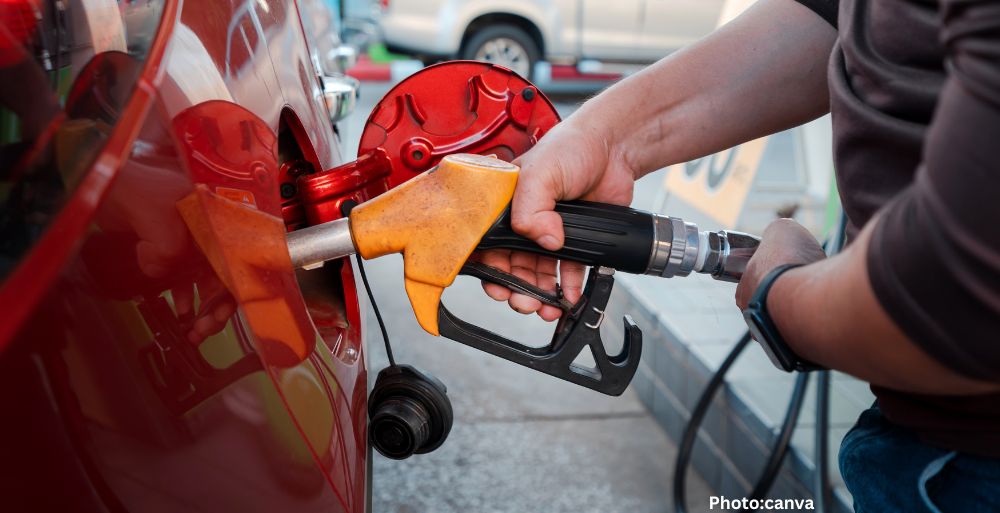
As the Labor Day weekend approaches, the average price of gasoline in the United States has reached an unprecedented $4.14 per gallon, according to data from the American Automobile Association (AAA). This figure surpasses the previous Labor Day record of $3.82 per gallon set in 2012, highlighting a significant upward trend in fuel costs driven by a combination of geopolitical factors and supply chain challenges.
Understanding the Current Price Surge
The increase in gas prices has been attributed to several factors, most notably the ongoing conflict in Iran, which has severely impacted global oil supply. The Strait of Hormuz, a crucial maritime route for oil transport, remains under pressure due to military activities and blockades, leading to a disruption in the flow of oil and gasoline around the world. As a result, consumers are facing mounting costs at the pump, with diesel prices also reaching an all-time high of $5.85 per gallon as of last Friday.
Historical Trends in Fuel Pricing
Fuel price fluctuations are not new, with historical data showing that various external factors often trigger significant changes. The previous record for Labor Day pricing in 2012 occurred during a time of economic recovery post-Great Recession, when rising fuel costs raised concerns across various sectors. In contrast, the current spike in prices is occurring amidst a backdrop of escalating global tensions, particularly the ongoing wars in Iran and Ukraine, which have complicated the energy landscape.
Government Responses and Future Projections
Government officials, including Energy Secretary Chris Wright, have faced scrutiny regarding their ability to foresee future fluctuations in gas prices. When asked about the potential for continued increases due to the Iran conflict and the war in Ukraine, Wright remained noncommittal. “Look, I don’t want to have an opinion on that, but if you look at the futures market right now, what can you buy gasoline for two months in advance from where we are today? It’s down more than 30 cents a gallon from where it is today,” he stated. He further expressed a belief that prices were more likely to decrease than to rise in the near term, although many consumers experiencing the current high prices may find this perspective hard to reconcile.
Economic Implications for Consumers
The surge in gas prices has significant ramifications for American consumers, particularly as many prepare for travel during the holiday weekend. Increased fuel costs not only affect drivers directly but also contribute to rising prices across a range of goods and services. Businesses are often compelled to pass on transportation costs to consumers, which can depress overall consumer spending and hinder economic growth. As families navigate these challenges, many may be forced to reconsider travel plans or reduce discretionary spending due to higher fuel expenses.
Moreover, the sustained high prices raise questions about the effectiveness of existing energy policies and the potential need for new strategies aimed at bolstering domestic energy production. Policymakers may face pressure to address these issues in a way that balances energy security with environmental considerations, fostering debate among lawmakers and industry experts about the best routes forward.
The Broader Impact of Geopolitical Factors
Geopolitical tensions, particularly in oil-producing regions, play a pivotal role in shaping the energy market. The Iranian conflict has reverberated through global supply channels, raising concerns about the stability of oil prices. Similarly, the ongoing war in Ukraine has further complicated the situation, leading to heightened uncertainty in energy markets. As the international community grapples with these challenges, the implications for U.S. consumers and the economy become increasingly pronounced.
Looking Forward: Navigating Uncertainty
As the Labor Day weekend draws near, the record-high gas prices serve as a stark reminder of the volatility associated with the energy market. Consumers and policymakers alike are keeping a close watch for any signs of relief in the coming months. The current crisis underscores the intricate interplay between international relations and domestic economic realities, as American families confront the challenges posed by rising fuel costs.
In conclusion, the surge in gas prices highlights the urgent need for a comprehensive approach to energy policy that effectively addresses both immediate consumer concerns and long-term energy sustainability. As the situation continues to evolve, understanding the relationship between geopolitical tensions and economic conditions will be critical in shaping the future of energy prices in the United States.