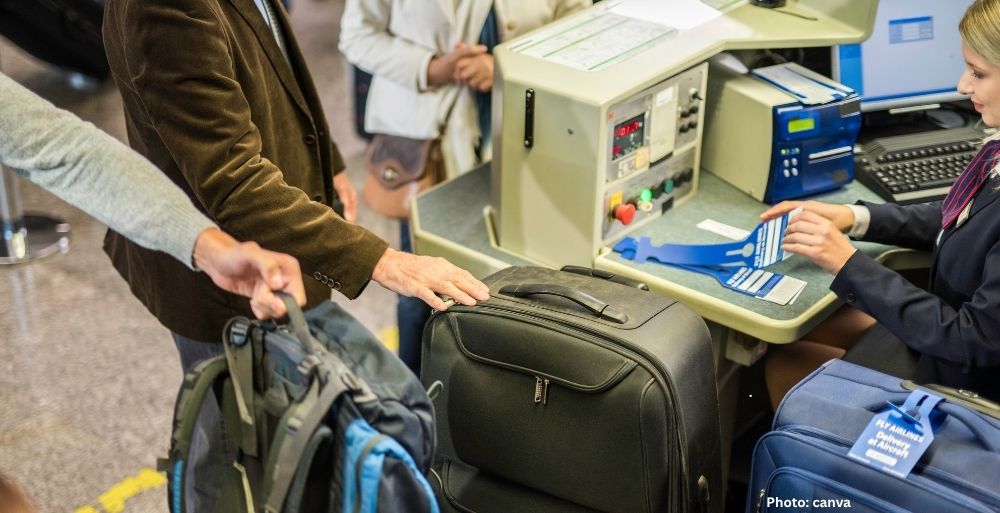
Travelers to the United Arab Emirates must adhere to strict customs regulations that dictate what items can be brought into the country, reflecting the nation’s legal, cultural, and security standards.
The United Arab Emirates (UAE) has established stringent customs regulations that all travelers must observe when preparing for their journeys to the region. These rules, designed to ensure passenger safety and uphold local laws, encompass a wide range of items that might surprise even seasoned travelers. Reports from local media outlets, including the Khaleej Times, underline the importance of understanding these regulations for anyone planning to visit the UAE.
Overview of Prohibited Items
While many of the UAE’s customs restrictions align with international aviation safety standards, others are unique to the region. For example, Etihad Airways has enacted a ban on strong-smelling perishable fruits such as durian and jackfruit to maintain passenger comfort during flights. This is indicative of the cultural sensitivities prevalent within the UAE, where the comfort of all passengers is prioritized.
Detailed Restrictions at Dubai International Airport
According to guidelines from Dubai Airports, numerous items are explicitly prohibited in hand luggage. The following list details some of these restrictions:
- Measuring Tapes: Although they may appear harmless, measuring tapes are banned in hand luggage due to their potential use as weapons.
- Sports Equipment: Items such as cricket bats, skateboards, and fishing rods are prohibited in cabin baggage due to security concerns.
- Toy Weapons: Children’s toys that resemble firearms, including toy guns and replica weapons, are not allowed and may be confiscated at security checkpoints.
- Poppy Seeds: Poppy seeds, a common spice in many cuisines, are classified as derivatives of the opium poppy and are entirely banned in the UAE. This restriction reflects the country’s stringent drug policies and zero-tolerance stance towards narcotics.
- Specific Food Items: The importation of pork products is strictly forbidden, consistent with Islamic dietary laws that govern much of the UAE’s customs regulations. Non-Halal meat and pork products will be confiscated upon arrival.
- Medications: While most prescription and over-the-counter medications are permitted for personal use, those containing narcotic or psychotropic substances may require additional documentation, with some needing prior approval from the Ministry of Health and Prevention (MoHAP). Notably, cannabis and CBD products remain illegal in the UAE despite their legality in several other countries.
Additional Customs Restrictions
In addition to the above-listed items, Dubai Customs has provided a comprehensive list of other goods that travelers should avoid bringing into the UAE:
- Narcotic drugs, including hashish, cocaine, and heroin
- Goods intended for import from boycotted countries
- Crude ivory and rhinoceros horn
- Gambling tools and machinery
- Fishing nets not compliant with specific regulations
- Counterfeit currency
- Printed materials that violate local laws or public decency standards
Prohibitions at Other Major Airports
Similar prohibitions are enforced at other major airports across the UAE. For instance, Sharjah Airport prohibits knives with blades longer than 6 cm, firearms, explosives, and toy weapons that may resemble real weapons. Abu Dhabi Airport also strictly prohibits weapons and imitation weapons, explosives, flammable materials, and toxic substances that could pose a risk to passengers and aircraft safety.
Cultural and Security Context
The stringent customs regulations in the UAE reflect broader security concerns and cultural values embedded within its legal framework. The UAE government prioritizes maintaining public order and moral standards, evident in its zero-tolerance approach to drugs and items that could disrupt societal norms. The enforcement of these regulations has implications not just for traveler convenience but also for international perceptions of the UAE as a destination.
As the UAE seeks to boost tourism and foster international business, clear communication about these customs regulations is essential. By informing travelers of what to expect, the UAE aims to cultivate a safe and welcoming environment for visitors while ensuring compliance with its laws. This approach is particularly significant as the country positions itself as a global hub for commerce and tourism.
Conclusion
For travelers planning to visit the UAE, familiarizing oneself with these customs regulations is crucial to avoid potential complications at airport security or customs. Understanding and adhering to local laws enhances individual travel experiences and contributes to the broader objective of maintaining safety and order within the UAE. As the country continues to evolve as a global destination, awareness of these guidelines will be an essential aspect of the travel experience. In a time when international travel is more accessible than ever, being informed can prevent misunderstandings and ensure a smoother journey.