
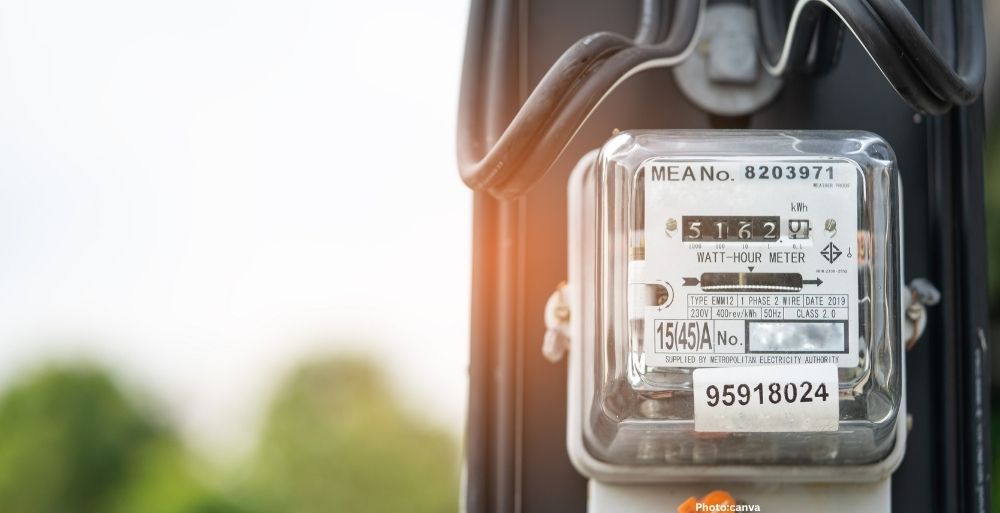
As of March 2026, residential electricity prices in the United States vary significantly by state, with Hawaii reporting the highest rates at 42¢ per kWh, while North Dakota has the lowest at 12¢ per kWh. This report analyzes the factors contributing to these disparities and the implications for consumers.
The United States is experiencing a pronounced disparity in residential electricity prices, with significant implications for household budgets across the nation. As of March 2026, data from the U.S. Energy Information Administration (EIA) indicates that average residential electricity prices range from a low of 12¢ per kilowatt-hour (kWh) in North Dakota to a high of 42¢ per kWh in Hawaii. This dramatic variation highlights the influence of geographic location, energy source availability, and regional infrastructure on energy costs for American consumers.
State-by-State Breakdown
The state-by-state analysis reveals that Hawaii not only leads in the highest residential electricity prices but does so by a considerable margin. Following Hawaii, California comes in second with an average rate of 33¢ per kWh. California’s high prices can be attributed to several factors, including substantial investments in renewable energy infrastructure, high transmission costs, and spending on wildfire mitigation. Despite its leadership in clean energy initiatives, California’s electricity consumers face some of the highest bills in the country.
In stark contrast, North Dakota’s low average rate of 12¢ per kWh can be traced back to its abundant local energy resources, particularly coal and wind, which help keep energy costs down. This discrepancy has significant financial implications for households. For instance, a typical household in Hawaii, which uses about 900 kWh of electricity per month, incurs a monthly bill of approximately $378. In North Dakota, the same household would pay only about $108. Over the course of a decade, this difference could accumulate to an additional $32,000 in electricity costs for Hawaii residents.
The Northeast’s High Prices
The Northeast region of the United States is particularly noteworthy for its high electricity costs. States such as Connecticut, Massachusetts, Maine, and New York consistently rank among the most expensive for residential electricity. These states often depend heavily on imported fuels due to limited local resources, making them vulnerable to price fluctuations that can spike during periods of high demand.
Additionally, significant investments in the maintenance and modernization of aging infrastructure in the Northeast have resulted in elevated utility costs. Despite generally consuming less electricity than many Southern states, households in the Northeast face some of the highest rates in the country. For example, Connecticut’s average residential electricity price stands at 30¢ per kWh, further illustrating the financial burden on consumers in this region.
Recent Trends in Electricity Prices
Recent trends indicate a worrying rise in electricity prices across the country. According to EIA data, 18 states recorded double-digit increases in electricity prices over the past year. Washington, D.C., experienced one of the most dramatic increases, with residential electricity prices rising more than 22% year-over-year. New Jersey and New Hampshire also reported significant spikes of 18% each.
These increases are closely tied to utilities investing billions of dollars in new generation capacity, transmission lines, and essential grid upgrades. The growing demand for electricity, fueled by economic recovery and increased consumer activity, has placed unprecedented pressure on power systems. As a result, many households are witnessing utility bills rise faster than the rate of inflation, making electricity an increasingly significant component of overall living costs, alongside housing, healthcare, and insurance.
Future Demand and the Impact of AI
Looking ahead, the regional disparities in electricity prices are likely to become even more pronounced. A major driver of this change is the anticipated surge in electricity demand due to the expansion of artificial intelligence (AI) data centers, increased manufacturing investment, and broader electrification trends across various sectors.
Industry forecasts suggest that data centers could account for as much as 17% of total U.S. power consumption by 2030, a substantial increase from the approximately 5% today. States that are home to significant concentrations of AI infrastructure, such as Virginia, Texas, and Arizona, are already making considerable investments in new generation capacity and grid enhancements to accommodate this anticipated demand.
As electricity increasingly becomes a variable cost of living, influenced by factors such as geographic location and regional energy policies, residents may find that their electricity bills are determined not only by their consumption habits but also by the energy landscape of their area. This development has broader implications for economic competitiveness, migration patterns, and regional development strategies as electricity costs continue to evolve in response to technological advancements and market changes.
Conclusion: Understanding the Implications
In conclusion, the disparities in residential electricity prices across the United States underscore the complex interplay between geography, energy resources, and infrastructure investments. As households grapple with rising utility costs, understanding these dynamics becomes increasingly essential. Policymakers, energy providers, and consumers alike must navigate this evolving landscape to address the challenges posed by rising electricity costs and to ensure equitable access to affordable energy across the nation.