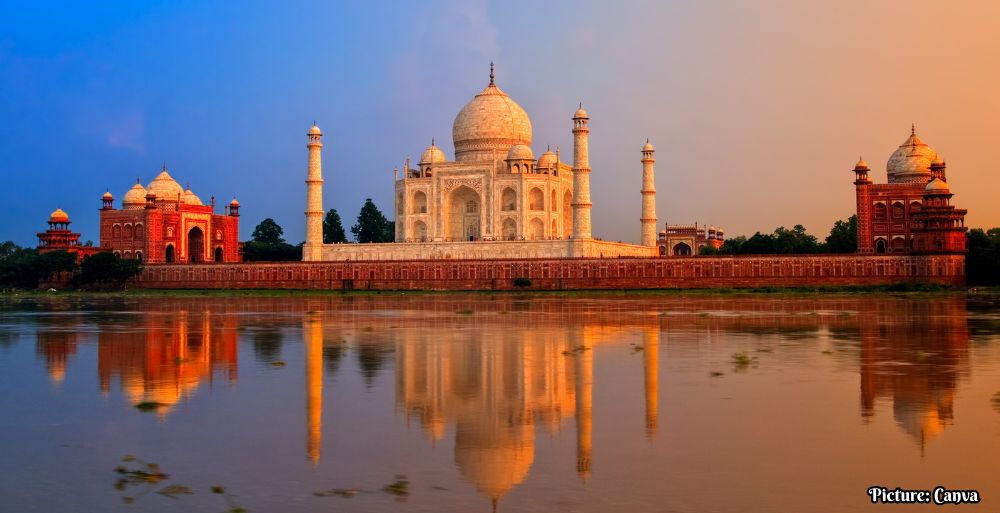
The exhibition ‘The Mute Eloquence of the Taj Mahal,’ curated by historian Rana Safvi, emphasizes the monument’s deeper spiritual meanings beyond its reputation as a symbol of love.
HYDERABAD — On July 6, 2026, historian and author Rana Safvi inaugurated the exhibition titled ‘The Mute Eloquence of the Taj Mahal’ at the Salar Jung Museum. This exhibition, which will run for three months until October 4, seeks to present the Taj Mahal as an intricate architectural representation of Islamic theology and spirituality, rather than merely a mausoleum synonymous with romantic love.
Curated by Safvi in collaboration with the Delhi Art Gallery (DAG), the exhibition aims to provide a comprehensive understanding of the 17th-century monument through its architectural elements, inscriptions, symbolism, and philosophical implications. This marks the second significant exhibition hosted by the Salar Jung Museum in 2026, underscoring its commitment to cultural education and historical scholarship.
Transformative Perspectives
During her inaugural address, Safvi shared her personal evolution in understanding the Taj Mahal. Initially perceived primarily as a testament to the love of Mughal Emperor Shah Jahan for his wife Mumtaz Mahal, Safvi’s deeper explorations into Islamic architecture, Sufi philosophy, and Persian poetry have led her to view the monument as “an architectural meditation on mortality, resurrection, and divine harmony.” This transformative perspective reflects a broader trend among scholars and historians seeking to reinterpret historical monuments and artifacts through a more nuanced lens.
Safvi explained that Shah Jahan, a devotee of the Chishti Sufi order, designed the Taj Mahal to embody Islamic concepts of duniya (the temporal world) and akhirah (the afterlife). She elaborated that every aspect of the structure—from the meticulously designed gardens to the inscriptions and spatial arrangements—was deliberately crafted to guide visitors on a symbolic spiritual journey. The architectural design serves not only as a visual feast but also as an experiential pathway toward understanding life, death, and spiritual transcendence.
Architectural Symbolism
According to Safvi, the visitor’s experience commences at the Great Gateway, which is adorned with Quranic verses that serve as an invitation to enter paradise. She lamented that contemporary visitors often overlook these inscriptions, focusing instead on capturing photographs and selfies. Safvi noted that the original Mughal garden was designed to embody the Quranic vision of paradise, featuring waterways symbolizing the rivers of heaven. However, during the colonial era, the garden was remade into an English-style lawn, significantly altering the original experience envisioned by its creators.
Safvi’s critique of modern visitor behavior highlights a broader issue of how cultural heritage sites are experienced in contemporary society. The focus on social media engagement often detracts from the opportunity for meaningful reflection on the historical and spiritual significance of such monuments. This exhibition aims to encourage visitors to engage more deeply with the Taj Mahal’s rich narrative, moving past superficial interactions.
Exhibition Goals and Museum Insights
Salar Jung Museum Curator Joyoti Roy articulated the exhibition’s aim to highlight the museum’s cosmopolitan character by showcasing significant traveling exhibitions from both India and around the world. She noted that the Taj Mahal occupies a unique position not only in historical and architectural contexts but also in scholarship, poetry, and collective memory. The exhibition endeavors to convey these deeper meanings to visitors, aiming to enrich their understanding of the monument beyond its status as an icon of love.
The Taj Mahal, recognized as a UNESCO World Heritage site, has long been celebrated for its architectural grandeur and historical significance. Its intricate design has inspired a wealth of scholarly discourse over the years, exploring its artistic, cultural, and spiritual dimensions. By reframing the monument’s interpretation, Safvi hopes to foster a deeper appreciation for its spiritual dimensions, emphasizing that the Taj Mahal is not merely a physical structure but a profound expression of faith and human experience.
The exhibition will feature various artifacts, architectural sketches, and multimedia presentations that complement Safvi’s insights. The goal is to encourage visitors to engage with the Taj Mahal from a more nuanced perspective, prompting them to reflect on its historical, cultural, and spiritual significance. Through this initiative, the Salar Jung Museum aims to enrich the cultural landscape of Hyderabad and provide a platform for critical discussions surrounding one of the most revered monuments in the world.
Historical Context and Implications
The Taj Mahal was commissioned in 1632 by Emperor Shah Jahan in memory of his beloved wife, Mumtaz Mahal, and has since become a symbol of love and sacrifice. However, as Safvi’s exhibition illustrates, the monument’s significance extends beyond its romantic origins. Historical analyses have revealed how the Taj Mahal embodies the height of Mughal architecture, reflecting an amalgamation of Persian, Islamic, and Indian influences. The monument’s features, such as its symmetrical gardens and reflective pools, were designed not only for aesthetic pleasure but also to evoke a sense of tranquility and spirituality.
In recent years, the Taj Mahal has also become a site of political and cultural discourse in India, with various groups attempting to redefine its narrative in line with contemporary ideologies. Safvi’s exhibition represents a counter-narrative that seeks to reclaim the Taj Mahal’s original spiritual and cultural significance, advocating for a more inclusive understanding of India’s historical heritage. By emphasizing the monument’s connections to Sufi thought and Islamic philosophy, the exhibition fosters dialogue about the diverse influences that have shaped India’s cultural landscape.
The Salar Jung Museum, with its commitment to hosting significant exhibitions, plays a crucial role in preserving and promoting India’s rich historical narrative. As visitors engage with the exhibition, they are encouraged to reflect on their own perceptions of the Taj Mahal and to consider how such cultural treasures can continue to inspire future generations.