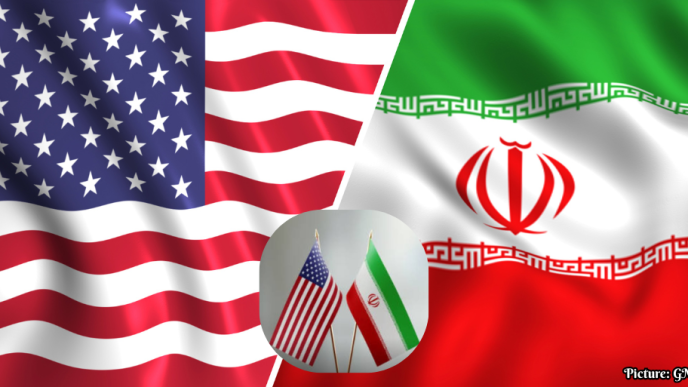
The U.S. military conducted strikes against Iranian drone operations perceived as threats to American forces and commercial shipping in the strategically vital Strait of Hormuz, coinciding with President Trump’s dismissal of reports regarding a potential agreement aimed at restoring shipping traffic in the region.
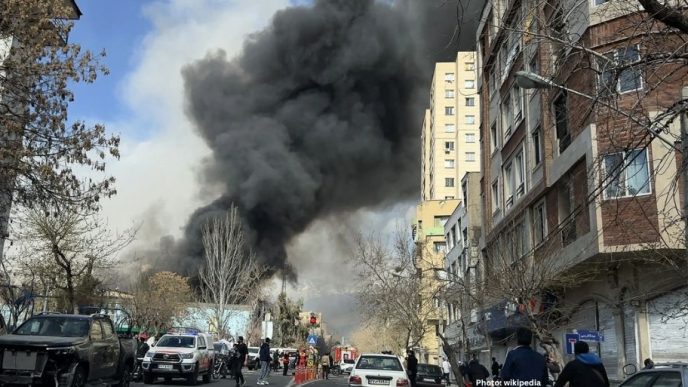
On May 27, 2023, the U.S. military targeted Iranian drone capabilities in the Strait of Hormuz, a crucial maritime corridor for global oil shipments. A U.S. official, speaking on the condition of anonymity, confirmed that American forces shot down four Iranian attack drones and struck a ground control station in Bandar Abbas, which was preparing to launch another drone. This military action occurred shortly after President Donald Trump publicly rejected an Iranian state media claim about a draft agreement to restore commercial shipping traffic through the strait to pre-war levels.
Strategic Importance of the Strait of Hormuz
The Strait of Hormuz is one of the world’s most critical chokepoints, facilitating the transit of about one-fifth of the globe’s oil and liquefied natural gas. This waterway has been a focal point of U.S.-Iran relations, particularly following the escalation of hostilities that began with U.S. and Israeli strikes on February 28, 2023. The conflict has resulted in thousands of casualties and has significantly impacted global energy prices, with oil markets reacting sharply to developments in the region.
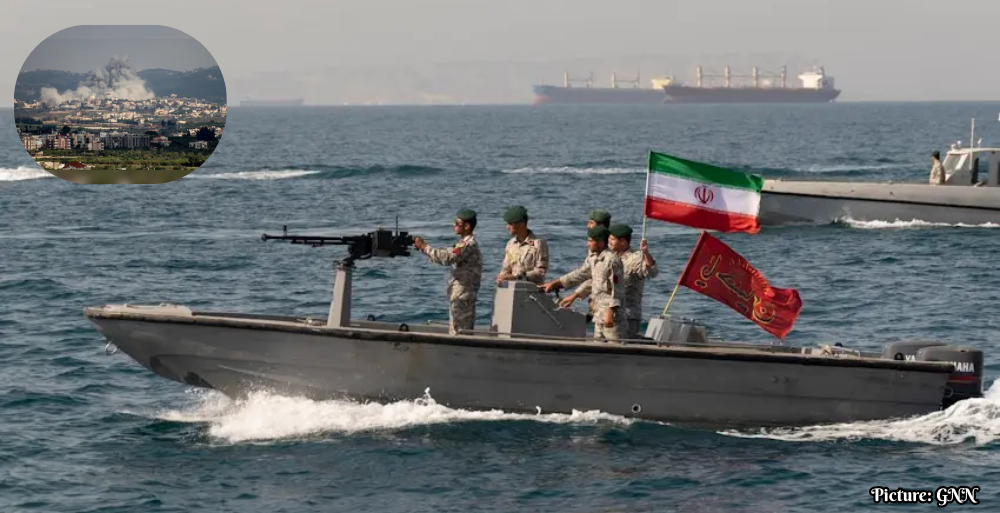
The U.S. official described the strikes as “measured, purely defensive and intended to maintain the ceasefire,” which had been established in early April. However, Iranian sources claimed that the Islamic Revolutionary Guards Navy fired warning shots at a U.S. oil tanker attempting to transit the strait, forcing it to change course. Reports from Iran indicated that several other vessels were deterred from entering the waterway due to these warning shots.
Repercussions in Global Oil Markets
The military action had immediate repercussions on oil prices, which had fallen over 5% earlier in the week. Following news of the strikes, U.S. crude futures rebounded, rising nearly 2% to $90.38 per barrel during early Asian trading on Thursday. This volatility highlights the interconnectedness of military actions and global energy markets, with traders closely monitoring developments in the region.
Trump’s Dismissal of Diplomatic Efforts
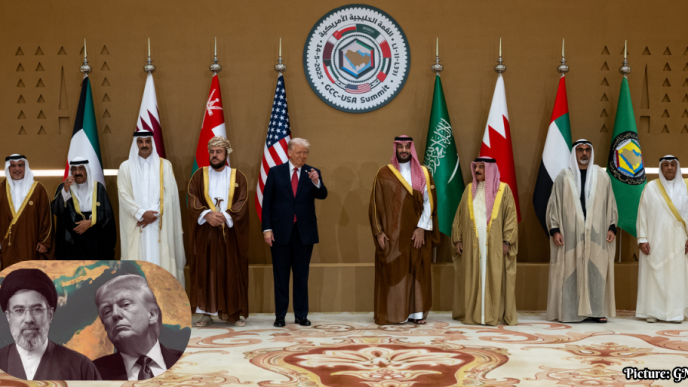
At a cabinet meeting on the same day as the strikes, President Trump dismissed claims made by Iranian media regarding a potential agreement facilitated by Oman to manage shipping in the strait. Trump asserted that no single country would have control over this strategic waterway, issuing a veiled threat to Oman, a nation with longstanding military and economic ties to the United States. “Nobody’s going to control the strait,” he stated. “Oman will behave just like everybody else or we’ll have to blow them up.” Neither the White House nor Oman’s embassy in Washington provided immediate responses to requests for clarification on Trump’s remarks.
Iran’s Response and Ongoing Hostilities
The Iranian government reacted swiftly to Trump’s comments. Ebrahim Azizi, the head of the Iranian parliament’s national security committee, stated that Trump’s rhetoric would not compel Iran to abandon its nuclear ambitions or its claims over the Strait of Hormuz. He characterized Trump’s approach as oscillating between threats and overtures for negotiation, underscoring Iran’s commitment to its demands for uranium enrichment and the lifting of sanctions.
U.S. Military Presence and Sanctions
The U.S. military maintains a robust presence in the region, with approximately 15,000 troops enforcing a blockade against Iran and additional personnel stationed at various bases throughout the Gulf states. The Pentagon has not issued a direct comment on the recent military actions. In a related move, the U.S. Treasury Department expanded its sanctions to include the Persian Gulf Strait Authority, the Iranian organization purportedly responsible for overseeing passage through the strait, further complicating the diplomatic landscape.
Despite the ongoing military confrontations, Iranian state media reported that 23 ships, including oil tankers and container ships, passed through the Strait of Hormuz in the previous 24 hours, a significant decline compared to the daily flow of 125 to 140 vessels prior to the conflict. The report also suggested discussions surrounding a draft agreement that would include U.S. troop withdrawal and sanctions relief, although it did not address Iran’s contentious nuclear program—a critical sticking point in negotiations.
Historical Context of U.S.-Iran Relations
The backdrop of U.S.-Iran relations has been fraught with tension since the Iranian Revolution in 1979, which led to the severance of diplomatic ties and the establishment of a U.S. embargo against Iran. The situation has worsened in recent years, particularly following the U.S. withdrawal from the Joint Comprehensive Plan of Action (JCPOA) in 2018 and the reimposition of sanctions. The ongoing conflict has exacerbated fears of a broader regional war and has led to increased military posturing from both sides.
As the situation continues to unfold, the implications of military engagements and diplomatic posturing remain significant for regional stability and global energy markets. The current hostilities suggest that both the U.S. and Iran are entrenched in their positions, complicating efforts for a meaningful resolution to the conflict. With the potential for further escalation, the international community remains watchful for any signs of diplomatic breakthroughs or additional military actions in this volatile region.