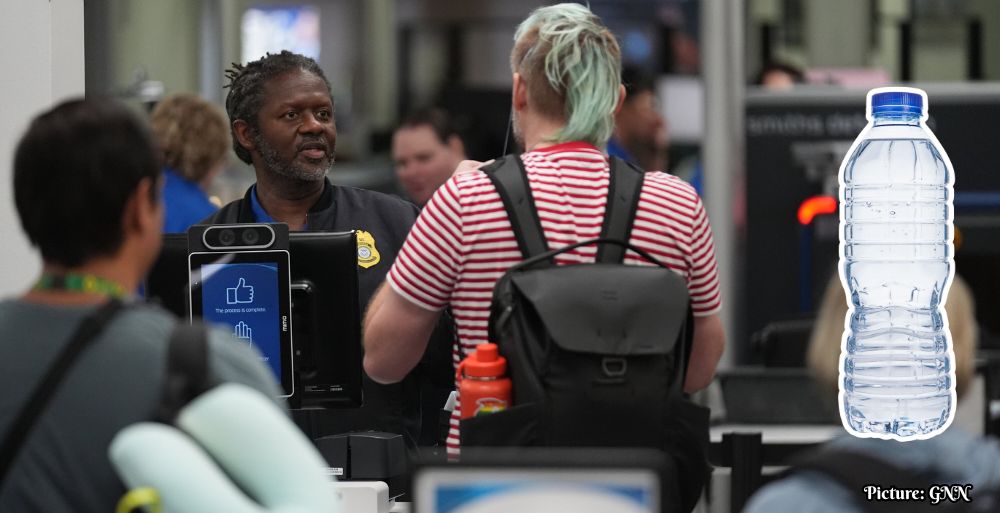
The Transportation Security Administration is contemplating allowing passengers enrolled in its PreCheck program to bring larger bottles of water through select airport security checkpoints, marking a significant potential shift in travel protocols established in response to past security threats.
On September 10, 2026, the Transportation Security Administration (TSA) revealed that it is exploring the possibility of relaxing its longstanding restrictions on liquid containers for passengers enrolled in its PreCheck program. This potential policy change could allow travelers to bring larger bottles of water through security at select airports, a move that could significantly alter the travel experience for many passengers.
The current TSA regulations on liquids, known as the 3-1-1 rule, have been in effect since a thwarted terrorist plot was uncovered in August 2006. This plot involved the use of liquid explosives to target transatlantic flights, prompting the agency to first impose a total ban on liquids in carry-on luggage. Over time, this ban was revised to the current limitations, which allow passengers to carry liquids in containers of no more than 3.4 ounces, all fitting within a single quart-sized clear bag.
Historical Context and Implications of TSA Liquid Restrictions
The potential easing of these liquid restrictions comes nearly 25 years after the September 11, 2001, terrorist attacks, which fundamentally transformed airport security protocols across the United States. The original liquid ban was a direct response to heightened concerns about passenger safety following the discovery of the 2006 plot. As a result, the TSA’s approach to security has been characterized by a series of stringent measures designed to mitigate risks associated with air travel.
John Pistole, a former TSA administrator, indicated during a recent discussion that while the agency is seriously considering changing its liquid policies, any new regulations are unlikely to be implemented before the busy holiday travel season. The specifics regarding which airports would be included in this initial rollout remain unclear.
Recent Trends in TSA Security Policies
This prospective change is part of a broader trend within the TSA aimed at adapting to advancements in screening technology. In recent weeks, the agency has taken steps to enhance the travel experience for passengers, including a program that permits PreCheck members without tickets to pass through security at 13 U.S. airports. This initiative allows non-travelers to accompany friends or family members through security, significantly improving the airport experience for those who wish to see off loved ones or greet arriving passengers.
Furthermore, last summer, the TSA made headlines by discontinuing the requirement for all passengers to remove their shoes during security screenings. Previously, only PreCheck passengers were exempt from this rule. This decision reflected an ongoing reassessment of security protocols in light of evolving technologies and risk assessments.
Kristi Noem, who previously served as Secretary of Homeland Security, expressed her skepticism regarding the TSA’s strict liquid restrictions shortly after the shoe removal policy was announced. She suggested that revising the liquid allowance might be the “next big announcement” from the agency, signaling a shift toward a more accommodating approach for travelers.
Challenges and Considerations for Implementation
While the TSA’s consideration of easing liquid restrictions signifies a potential modernization of airport security practices, experts caution that the implementation of such changes may face significant hurdles. Many smaller airports across the United States lack the advanced computed tomography (CT) scanning technology that is capable of distinguishing safe liquids from potentially dangerous substances. Consequently, the rollout of any new liquid policies may be gradual and could take years to fully standardize across all airports.
In an emailed statement, the TSA reiterated its commitment to improving the traveling experience for the public while maintaining stringent safety protocols. The agency stated, “TSA will continue to explore opportunities to enhance security and improve the traveling experience for the public. As technology evolves, TSA’s multilayered security protocols will evolve, including benefits for our most trusted travelers.”
The ongoing dialogue regarding liquid regulations highlights the TSA’s complex balancing act: safeguarding passenger safety while also striving to enhance the overall travel experience. As technology continues to advance, travelers may anticipate further changes that reflect both improved security capabilities and a more user-friendly airport environment.
Conclusion
The potential policy change regarding liquid restrictions for TSA PreCheck members signifies a noteworthy evolution in airport security protocols that have remained largely unchanged for decades. If implemented, this shift could alleviate some of the inconveniences faced by travelers while still prioritizing safety. As the TSA navigates the challenges of modernization amid evolving threats, the agency’s approach will likely continue to adapt to the realities of contemporary air travel.