The Trump administration is preparing to revoke the business and tourism visas of up to 200,000 foreigners who have applied for or are currently seeking asylum in the United States, marking a potential historic shift in U.S. immigration policy.
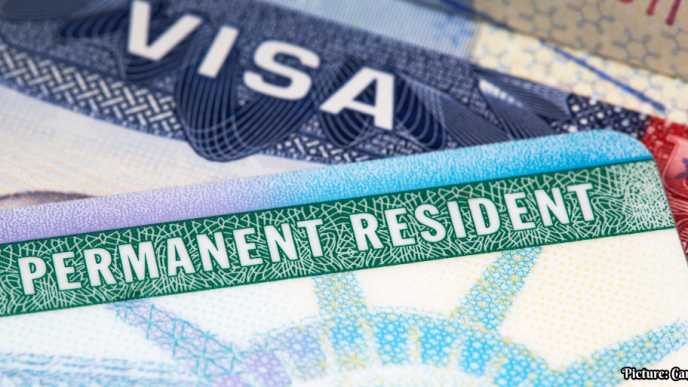
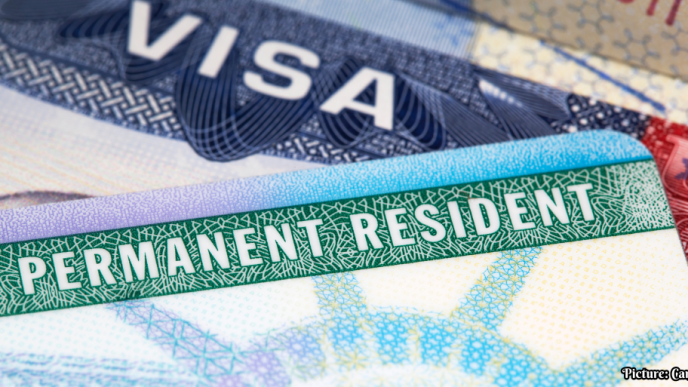
WASHINGTON (AP) — The Trump administration is poised to enact a significant policy change that could result in the largest mass revocation of visas in U.S. history, impacting as many as 200,000 foreigners who have sought or are currently seeking asylum. According to State Department documents obtained by The Associated Press and corroborated by two U.S. officials, the forthcoming announcement is expected to detail the revocation of B1 and B2 visas—designated for business and tourism, respectively—issued between 2016 and 2026.
This action, anticipated to be formally announced in the coming weeks, is being coordinated with the Department of Homeland Security (DHS) and is likely to face legal challenges. Critics of the policy argue that it raises significant concerns about due process for the affected individuals, many of whom may be fleeing dangerous situations in their home countries.
Details of the Visa Revocation
State Department spokesman Tommy Pigott confirmed that officials are working to identify and revoke the nonimmigrant visas of individuals who entered the U.S. as short-term visitors but subsequently filed for asylum. He stated, “We are coordinating with DHS to identify and revoke the nonimmigrant visas of foreigners who have come to the United States claiming to be short-term visitors, but then file for asylum to stay here permanently.” Pigott, however, refrained from disclosing the specific number of visas targeted for revocation, indicating that the process will be ongoing and the number will remain dynamic.
Importantly, the revocation of these visas does not necessarily equate to immediate deportation. Most individuals involved in pending asylum cases would be reclassified, losing their status as business or tourism travelers but not facing immediate removal from the country. This distinction underscores a nuanced approach to the administration’s immigration policy, wherein individuals may still be allowed to pursue their asylum claims despite the loss of their visa status.
Historical Context and Policy Evolution
The proposed visa revocation is part of a broader pattern of stringent immigration controls enacted by the Trump administration, particularly since the president began his second term last year. Over this period, the administration has implemented increasingly strict measures for visa applicants, which include enhanced scrutiny of social media histories, the requirement of substantial bonds for visa issuance, and outright bans on visa issuance to citizens of specific countries.
In a recent social media post, Deputy Secretary of State Christopher Landau criticized individuals who allegedly exploit tourist and business visas as a means to enter the U.S. and subsequently seek asylum. Landau remarked, “People in the US and all over the world are fed up with bogus asylum claims,” indicating the administration’s focus on preventing perceived abuses of the asylum system. He referenced a specific case involving a Colombian national who entered the U.S. on a tourist visa in 2015 before applying for asylum, illustrating the type of scenarios the administration seeks to rectify.
Current Visa Application Process and Implications
As part of these policy changes, current applicants for B1 and B2 visas are now required to affirm that they will not seek asylum in the U.S. and must demonstrate their intention to return to their home countries. This modification is indicative of the administration’s efforts to limit the potential for individuals to use these temporary visas as a pathway to permanent residency through asylum claims.
In addition to the planned mass revocation of visas, the State Department has also been active in rescinding approximately 175,000 visas over the past 18 months. This includes individuals who have been convicted or accused of various crimes, such as driving under the influence, as well as those who have publicly criticized U.S. policies, particularly regarding military actions in the Middle East.
Crackdown on Birth Tourism
The administration has similarly intensified scrutiny regarding birth tourism—a practice where foreign pregnant women travel to the U.S. to give birth, thereby securing birthright citizenship for their children. Despite repeated attempts by President Trump to terminate birthright citizenship, legal challenges have consistently upheld this constitutional principle, including rulings by the Supreme Court.
Future Implications and Reactions
The unfolding situation surrounding these visa revocations reflects ongoing tensions within U.S. immigration policy and raises critical questions about the implications for asylum seekers, many of whom are fleeing persecution or violence in their home countries. The potential legal ramifications of this policy change remain uncertain, as advocacy groups and affected individuals prepare to respond amid concerns about their rights and due process.
As the administration moves forward with its plans, it remains to be seen how the judicial system will address these sweeping changes, particularly in light of the ongoing discussions surrounding immigration reform and the treatment of asylum seekers in the United States. The next steps taken by the State Department and DHS will likely shape the landscape of U.S. immigration policy for years to come, further complicating an already contentious issue within American political discourse.