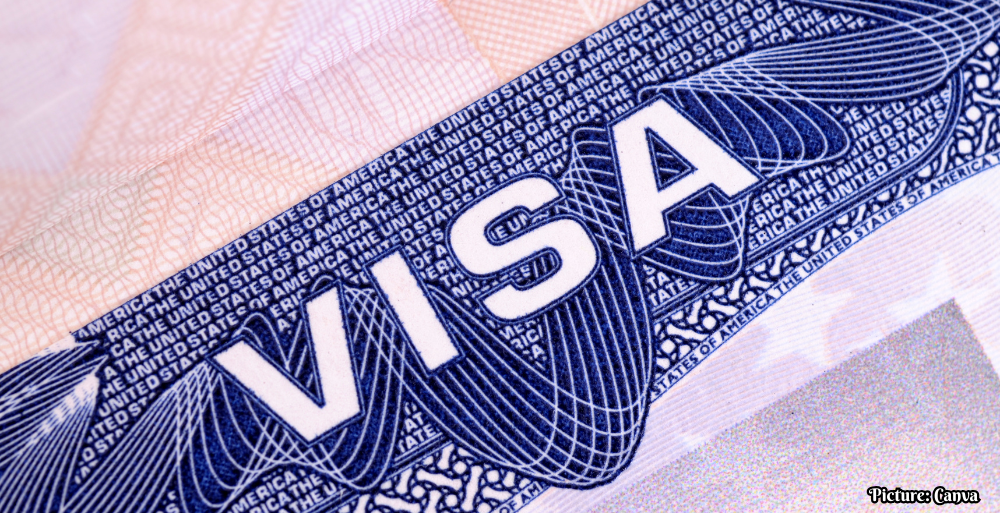
The U.S. State Department has announced a global pause on visa appointments as it implements a new training program for consular officers, coinciding with a broader crackdown on immigration policies under the Trump administration.
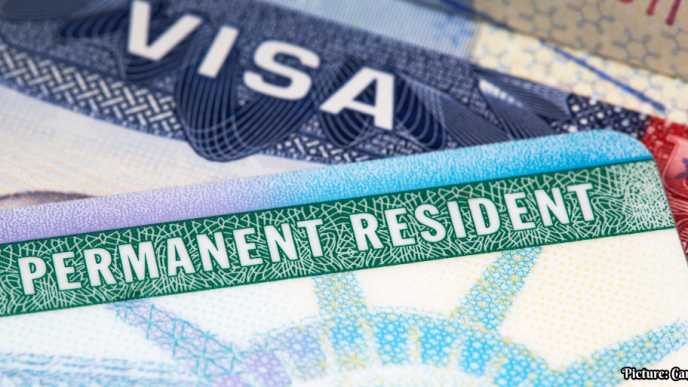
The U.S. State Department declared on Tuesday that it has temporarily suspended visa appointments for applicants worldwide. This decision is part of a newly launched training initiative designed to equip consular officers with the skills necessary to more effectively evaluate visa applications. The suspension occurs amid ongoing immigration reforms prioritized by the Trump administration, which aims to tighten immigration controls and prevent applicants from becoming dependent on U.S. public benefits.
A spokesperson from the State Department indicated that adjustments to visa appointment schedules are required to facilitate this training. However, the department did not disclose the duration of the adjustments or the specific contents of the training program. The spokesperson emphasized that the initiative is intended to allow consular officers to assess visa applications ‘comprehensively and consistently,’ suggesting a shift towards stricter scrutiny of applicants.
Context of the Visa Appointment Suspension
This announcement aligns with a broader trend in the Trump administration’s immigration policy, which has seen increased revocations of visas and green cards, along with rejections of applications for various reasons. Reports indicate that immigrant visa applicants with scheduled interviews at U.S. embassies and consulates received notifications informing them of the rescheduling of their appointments, although specific dates for the new appointments remain unclear.
Advocates for immigrants have expressed concern over this policy shift. The administration’s immigration crackdown has included actions targeting individuals based on political beliefs or involvement in protests, particularly those sympathetic to pro-Palestinian movements. President Trump has publicly stated that these initiatives are aimed at enhancing domestic security.
Legal Challenges to Immigration Policies
The administration’s immigration policies have faced significant legal challenges. Recently, a U.S. district judge ruled against a policy that suspended the issuance of immigrant visas to applicants from 75 countries, declaring that it exceeded the statutory authority of Secretary of State Marco Rubio. This ruling highlights the contentious nature of the administration’s immigration agenda, which has drawn scrutiny from legal experts and civil rights organizations.
Furthermore, the Department of Homeland Security (DHS) has proposed making permanent a substantial fee increase for new H-1B visa petitions. The proposed fee of $103,265 represents a considerable financial burden for employers seeking to hire foreign workers in specialized fields. This proposal follows a previous fee increase that faced judicial opposition. The H-1B visa program allows U.S. employers to hire foreign workers with specialized training and allocates 65,000 visas annually, supplemented by an additional 20,000 for workers holding advanced degrees.
Increased Visa Revocations and Stricter Screening Requirements
In a related move, the Trump administration is reportedly preparing to revoke business and tourism visas for as many as 200,000 foreigners who have applied for or are currently seeking asylum in the U.S. This action would affect B1 and B2 visas issued between 2016 and 2026, targeting holders who have sought asylum, thereby further complicating the visa landscape.
The administration has also instituted stricter screening requirements for visa applicants, including demands for comprehensive information about applicants’ social media histories and, in some cases, the imposition of costly visa bonds. The combination of these measures has not only extended processing times but also heightened barriers to entry for many potential immigrants.
Future Implications of the Visa Policy Changes
The pause in visa appointments is indicative of the administration’s broader strategy to reassess and tighten various facets of the U.S. immigration and visa system. As the training program unfolds, it remains to be seen how these changes will impact the overall processing of visa applications and the experiences of applicants. The implications of these policies extend beyond individual applicants, potentially reshaping the landscape of immigration to the United States as a whole.
As public sentiment shifts regarding immigration and its associated policies, the administration’s actions may face increasing scrutiny from both legal experts and advocacy groups. The outcomes of these changes will likely reverberate throughout the immigration community and could influence the future direction of U.S. immigration policy.
Overall, the intersection of training initiatives for consular officers and the ongoing immigration crackdown reflects a significant moment in U.S. immigration policy, with broad ramifications for both foreign nationals seeking to enter the country and the U.S. economy that increasingly relies on foreign talent and investment.