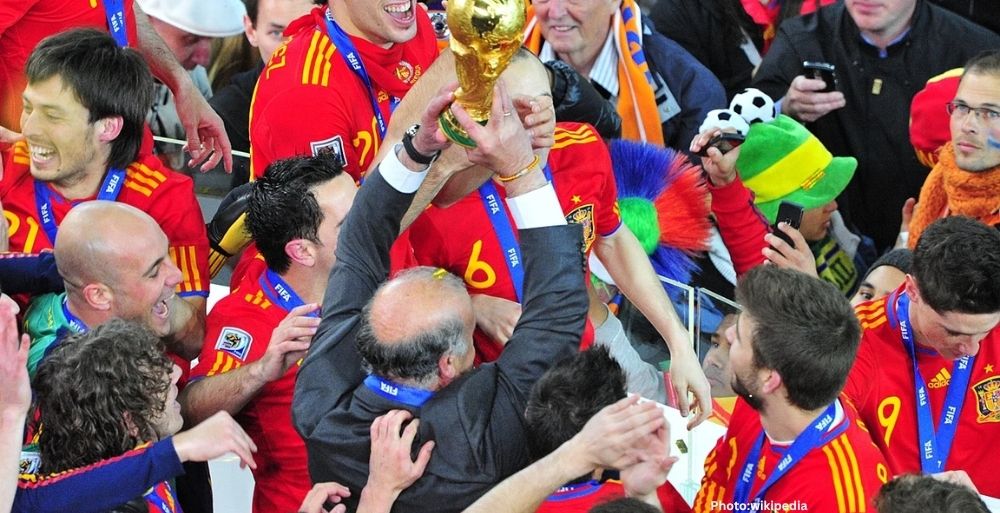
Spain claimed their second World Cup title with a narrow 1-0 victory over Argentina, as Ferran Torres scored the decisive goal in the final moments of extra time, while Lionel Messi’s hopes for a memorable farewell ended in disappointment.
EAST RUTHERFORD, N.J. — In a match held at MetLife Stadium on July 19, 2026, Spain triumphed over Argentina with a 1-0 victory to secure their second FIFA World Cup title. Ferran Torres’ goal, struck early in the second period of extra time, proved to be the match-winner, capping off a tournament in which Spain displayed remarkable control and resilience.
The decisive moment came in the 115th minute when Torres side-footed the ball into the net after a header from Nico Williams fell into his path following a cross from Pedro Porro. Spain had dominated the match throughout, controlling possession and creating a plethora of scoring opportunities, while Argentina struggled to assert themselves offensively, recording their first shot only in the dying minutes of the game.
Dominance of Play and Tactical Execution
Spain’s performance was characterized by an impressive display of ball control and tactical execution, with a total of 20 shots compared to Argentina’s two, and 12 of those on target. The Spanish team, under the guidance of head coach Luis de la Fuente, showcased their ability to manage the tempo of the game effectively, a skill that has been pivotal in their remarkable 38-match unbeaten streak.
Argentina, on the other hand, entered the final with high hopes, buoyed by Lionel Messi’s stellar form throughout the tournament, where he had amassed eight goals and four assists. However, Messi’s age—he is 39—seemed to weigh heavily on his performance during the final, as he could not find the space or opportunities to influence the match significantly. His team’s strategy, which revolved around accommodating his limitations, ultimately proved inadequate against Spain’s superior technical ability.
Messi’s Farewell and Argentina’s Struggles
This final marked what Messi had indicated would be his last World Cup appearance, following a storied career that has seen him lead Argentina to numerous victories, including the 2022 Copa America and the 2022 Finalissima. However, the match ended in disappointment for the Argentine side, who had previously reached three finals in the last four World Cups, winning the title in 2022 but falling short against Germany in 2014.
Argentina’s performance in the final was marked by a lack of offensive output, with their first shot not occurring until the 115th minute, a statistic that highlights their struggles to break down Spain’s defense. Coach Lionel Scaloni’s tactical decisions were scrutinized, particularly the reliance on Messi’s ability to create opportunities, which ultimately left the team vulnerable when they were unable to generate attacks.
Goalkeeping Heroics Amidst Frustration
Despite the overall disappointing performance from Argentina, goalkeeper Emiliano “Dibu” Martínez stood out with a series of impressive saves that kept his team in the game longer than it might have otherwise remained. Martínez recorded a total of 11 saves during the match, showcasing his skills even while dealing with an injury to his right hand, which he sustained prior to the tournament. He noted the pain he experienced throughout the World Cup, yet his determination to play remained unwavering.
The Impact of VAR and Game Dynamics
The match itself was marked by a physical tone, with referee Slavko Vincic allowing play to continue without frequent interruptions. However, a pivotal moment came in injury time when Enzo Fernández received a second yellow card for a foul on Pau Cubarsí, leaving Argentina with ten players on the field. This further limited Argentina’s ability to mount any offensive threat as the match progressed.
Extended Halftime Show Raises Eyebrows
Controversy also surrounded the event’s halftime show, which significantly exceeded the standard 15-minute break, lasting over 27 minutes. This extended interruption drew criticism from fans and analysts alike, as it disrupted the flow of the game and contributed to a lack of intensity during the second half.
In conclusion, Spain’s victory in the 2026 World Cup final is a testament to their tactical discipline and skillful execution throughout the tournament. The triumph not only adds to their legacy as reigning European champions but also emphasizes the importance of adaptability and control in high-stakes matches. For Argentina, the final served as a stark reminder of the challenges they faced, especially with an aging star like Messi, as they look to rebuild and recover for future competitions.