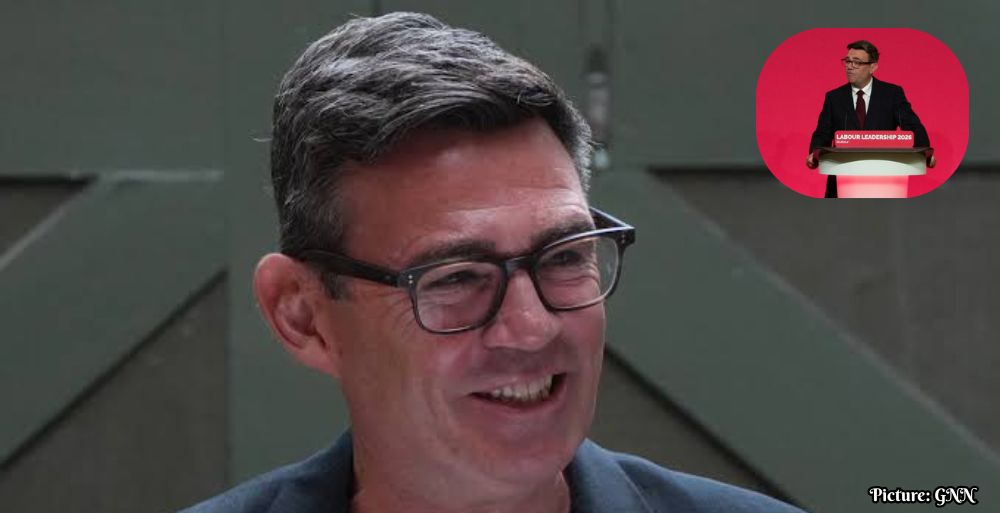
The newly appointed Prime Minister Andy Burnham has unveiled his cabinet, promising a shift in governance and a focus on public control in key sectors. This transition follows his election as the Labour leader, succeeding Sir Keir Starmer.
In a significant political development, Andy Burnham has officially taken office as Prime Minister after securing the support of 379 out of 403 Labour MPs. His ascent to leadership comes in the wake of Sir Keir Starmer’s resignation, marking a pivotal moment for the Labour Party as it prepares for future electoral challenges.
Burnham, who was born in Aintree in 1970, has a long history with the Labour Party, having joined during his teenage years, inspired by the miners’ strike. He first entered Parliament as the MP for Leigh in 2001 and has held various significant roles, including serving as the Secretary of State for Health. His tenure as Mayor of Greater Manchester further solidified his political profile. In June 2023, he returned to Parliament as the MP for Makerfield, and just a month later, he succeeded Starmer as the party leader.
Cabinet Appointments and Priorities
Burnham’s cabinet appointments reflect a blend of experience and loyalty within the Labour ranks. He has committed to decentralizing power from Whitehall and enhancing public control over water and energy sectors. Additionally, he has pledged to increase the construction of council houses, maintaining Labour’s promise not to raise the main rates of income tax, VAT, or National Insurance.
John Healey, who has returned to the cabinet as Chancellor of the Exchequer, previously resigned from his role as Defence Secretary less than two months prior to this appointment, criticizing the government’s defense spending plans. Healey had expressed concerns that Starmer was “unable” to secure necessary resources for national defense, suggesting a clear desire for a more robust fiscal approach to security issues.
Louise Haigh has been appointed Chancellor of the Duchy of Lancaster and First Secretary of State, a role that puts her at the helm of the Cabinet Office, responsible for coordinating government policies. Haigh, known for her commitment to her constituents since her election to Parliament in 2015, has been a close ally of Burnham and is expected to play a vital role in shaping the administration’s agenda.
Key Figures in the New Cabinet
Former Labour leader Ed Miliband takes on the role of Foreign Secretary, moving from his previous responsibilities overseeing energy and environmental policies. His appointment has sparked debate within the party, as some view his background in economics as an asset while others express reservations about his energy policy perspectives.
Shabana Mahmood retains her position as Home Secretary, where she has gained a reputation for her tough stance on immigration and national security. Following her appointment, she announced reforms to the UK’s asylum system, indicating a willingness to initiate sweeping changes despite pushback from some Labour members.
Wes Streeting has been appointed Defence Secretary, stepping into the role after a brief tenure by Dan Jarvis. Streeting, who previously served as Health Secretary, has shown a commitment to Burnham’s leadership and is recognized as a strong communicator within the party.
Yvette Cooper has transitioned to the role of Health and Social Care Secretary, building on her extensive experience in various ministerial positions over the years. Cooper’s political career began with her election in 1997, and she has held significant roles, including the first female Chief Secretary to the Treasury.
Lucy Powell has been appointed Education Secretary, returning to the cabinet after previously serving as Leader of the House of Commons. Powell has a longstanding relationship with Burnham and is expected to advocate for educational reforms that align with Labour’s broader policy goals.
Additional Cabinet Roles
Pat McFadden continues as Work and Pensions Secretary, a position he has held since the party’s electoral victory in 2024. His experience in managing the department following a contentious welfare policy reversal positions him as a key figure in navigating future reforms.
Angela Rayner returns to the cabinet as Secretary of State for Housing, Communities and Local Government, after a brief hiatus due to previous ethical concerns regarding her tax affairs. Rayner’s background and advocacy for working-class communities are expected to shape her approach to her new role.
Jonathan Reynolds resumes his role as Secretary of State for Business, Innovation, Science, and Trade, a position he previously held before the government reshuffle in September 2025. His reappointment reflects a continuity in Labour’s economic strategy.
Bridget Phillipson remains in cabinet as Minister for Women and Equalities, while Lisa Nandy retains her position as Digital, Culture, Media, and Sport Secretary, having previously engaged in negotiations regarding the BBC’s funding.
Newly promoted Anneliese Midgley has been named Chief Whip, highlighting her influence within the party despite being a relatively new MP. Her previous work with both Starmer and Corbyn showcases her deep roots in the Labour movement.
The formation of Burnham’s cabinet indicates a strategic blend of experience and fresh perspectives, with an emphasis on core Labour values as the party gears up for the political challenges ahead. As the new Prime Minister aims to reshape governance and address pressing issues, the cabinet’s effectiveness will be closely monitored by party members and the public alike.