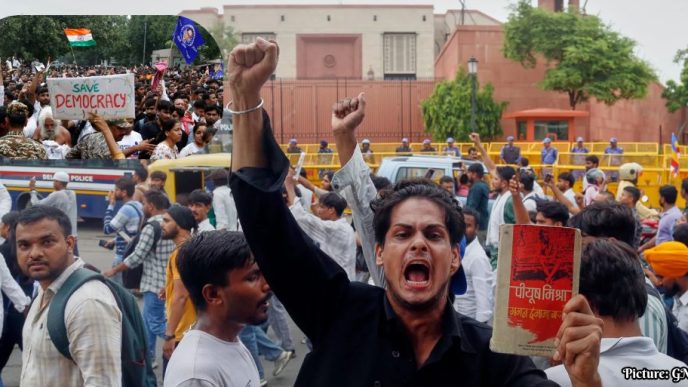
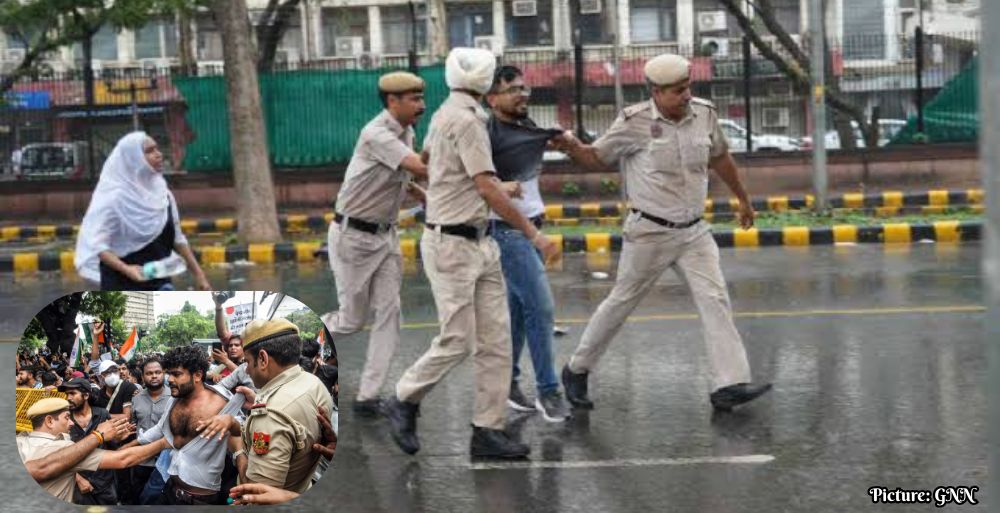
On July 20, 2026, a police crackdown on a large protest organized by the Cockroach Janta Party (CJP) in New Delhi resulted in numerous injuries and controversy surrounding public dissent against educational irregularities.
Delhi, India – A substantial protest led by the Cockroach Janta Party (CJP) was met with a significant police response on July 20, 2026, resulting in several injuries among demonstrators. The protest, which emerged as one of the largest in recent years within the national capital, was primarily aimed at addressing grievances over the National Eligibility cum Entrance Test (NEET) paper leak and irregularities within the Central Board of Secondary Education (CBSE) examination processes.
According to reports from medical facilities, at least 38 injured individuals were transported to Lady Hardinge Medical College, while around 65 others were admitted to Dr. Ram Manohar Lohia Hospital. Injuries reported included fractures, swelling attributed to tear gas exposure, and various head and eye injuries, indicating a significant escalation of tensions between protesters and law enforcement.
Police Action Amid Internet Shutdown
The police’s aggressive actions coincided with an internet blackout imposed in the New Delhi district, aimed at limiting the dissemination of information and live updates from the protest site. During the altercations, representatives from the CJP, Saurav Das and Ashutosh Ranka, were engaged in discussions with Union Minister J.P. Nadda, formally requesting the resignation of Education Minister Dharmendra Pradhan. Despite these discussions, CJP leaders indicated that they were still awaiting a concrete response from the government regarding their demands.
Climate activist Sonam Wangchuk, who was present at the protest site, expressed profound discontent over the treatment of protesters, stating he would continue a hunger strike until youth leaders could meet with parliamentarians directly or until he was permitted to meet them at the hospital.
Political Reactions and Opposition Condemnation
The police crackdown drew sharp criticism from political figures, most notably Leader of the Opposition in the Lok Sabha, Rahul Gandhi. In a statement on social media platform X, Gandhi condemned the violent response to peaceful protests, stating, “When these children raised legitimate questions about education — they were met with lathis and detention in response… The criminals who leaked the papers roam free…” His comments reflect a broader concern regarding the handling of dissent in the context of educational policies.
The protests were further amplified by slogans demanding the resignation of Minister Pradhan, resonating through the streets of New Delhi as demonstrators voiced their frustrations over the perceived failures of the education system.
Protest Dynamics and Escalation
Initially, CJP leaders hesitated to commence their march towards Parliament, having established communication with the deputy commissioner of police. However, as hundreds of youth and students began arriving, the situation escalated. Nearby Delhi Metro stations shut their exits in response to the influx of protesters, while government employees and Parliament staff were seen engaging with police, showcasing a growing solidarity with the demonstrators.
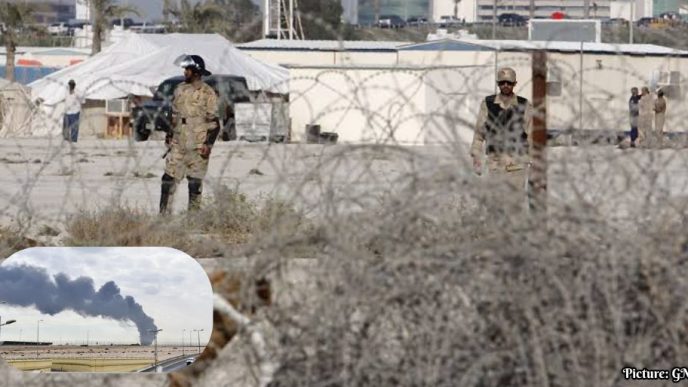
By early afternoon, a significant number of protesters managed to breach police barricades on Sansad Marg, progressing towards the new Parliament building. This movement prompted a swift response from security forces, who resorted to using batons against the crowd, coinciding with a mobile internet shutdown across 150 locations in central Delhi.
In the aftermath of the confrontation, multiple reports indicated that dozens of protesters faced detention, with injuries also reported among police officers. However, the Delhi Police did not provide a detailed assessment of the situation or the nature of their actions. The CJP alleged that Abhijeet Dipke, the party’s founder, and Wangchuk’s wife, Gitanjali J. Angmo, were both briefly detained and assaulted, claims that the Delhi Police have denied.
Continued Protests and Government Engagement
The police response continued to evolve throughout the day, with reports of lathi charges and tear gas deployment at various locations, including Jantar Mantar, Patel Chowk, India Gate, and Connaught Place. This widespread crackdown was met with assertions from the police that they had not employed disproportionate force against the demonstrators.
Later in the day, CJP spokespersons met with Minister Nadda, reiterating their demands, which included Pradhan’s resignation, the release of Wangchuk from the hospital, and ₹1 crore in compensation for families affected by NEET-related suicides. Wangchuk indicated a willingness to call off his fast should MPs agree to address educational issues in the upcoming Monsoon Session.
A Delhi High Court judge had previously intervened, preventing Wangchuk from leaving the hospital, with a division bench upholding this decision on the same day, indicating ongoing judicial involvement in the situation.
The protests have underscored a significant moment of dissent in India, reflecting deep-seated frustrations within the youth regarding educational policies and government accountability. As the situation continues to unfold, the implications for both the CJP and the broader political landscape remain to be seen.