Remittances sent by migrants to their home countries have nearly doubled in the last decade, emphasizing their essential role in bolstering families and economies, particularly in Latin America and the Caribbean.
On Monday, the International Fund for Agricultural Development (IFAD) unveiled a report revealing that remittances—money transfers that migrants send back to their home countries—grew by 94% between 2016 and 2025. This increase stands in stark contrast to the 28% rise in the number of migrants from these regions, indicating that migrants are sending significantly larger amounts back home on average.
Approximately 220 million migrants and their diasporas support an estimated 1.1 billion family members globally. Pedro de Vasconcellos, who oversees IFAD’s Financing Facility for Remittances, underscored the report’s focus on both the scale of financial flows and the familial impacts, stating, “This report is about financial flows of extraordinary scale. But more importantly, it is about families.”
The report indicates that remittances typically average between $300 and $400 per transfer, with migrants sending funds home approximately nine to ten times each year. In 2025, the total remittance flows were reported to exceed four times the amount of global official development assistance and surpass foreign direct investment in low- and middle-income countries.
Vulnerabilities in Remittance-Dependent Economies
While remittances serve as a vital source of financial support for families, they also expose both families and economies to vulnerabilities linked to changes affecting migrants abroad. The United States remains the dominant source of remittances for Latin America and the Caribbean, leading to concerns about how shifts in U.S. immigration policies may affect these critical financial flows.
De Vasconcellos remarked on the potential implications of recent tougher migration policies in the United States and Europe, stating that the impact has not yet resulted in a visible decline in remittances. “Figures right now do not show actually a reduction in remittances,” he noted, suggesting that familial obligations often help sustain remittance flows during crises.
Regional Economic Impacts
The economic dependence on remittances is particularly pronounced in Central America, where they account for significant portions of GDP: 30% in Honduras, 28% in El Salvador, and 27% in Nicaragua. A survey cited by IFAD revealed that 61% of returnees in Guatemala were the primary income earners in their households, indicating that involuntary returns can lead to abrupt financial hardship for families left behind.
In terms of regional performance, Latin America and the Caribbean experienced the fastest growth in remittances, soaring 132% to reach $168.6 billion. In comparison, the Asia and Pacific region received the largest total amount of remittances, amounting to $384.9 billion, or 53% of the global total. Africa received $124.2 billion in 2025, marking an 86% increase over the decade, with Egypt now surpassing Nigeria as the continent’s largest recipient.
The Role of Remittances in Family Livelihoods
According to the IFAD report, approximately three-quarters of remittances are allocated to immediate needs such as food, shelter, and utility bills. The remaining quarter—amounting to over $180 billion annually—is invested in healthcare, education, housing, savings, and small businesses. Notably, nearly $233 billion, or approximately one-third of remittances sent home, reaches rural economies where access to jobs and financial services is often limited. Households receiving remittances are estimated to invest around $22 billion each year into rural agrifood systems.
The report also highlights the essential role of remittances in helping families manage the impacts of climate-related shocks, from income loss to recovery after disasters. However, de Vasconcellos cautioned that these private family resources cannot replace the need for public investment, social protection, humanitarian assistance, or climate finance.
Digital Transfers and Cost Considerations
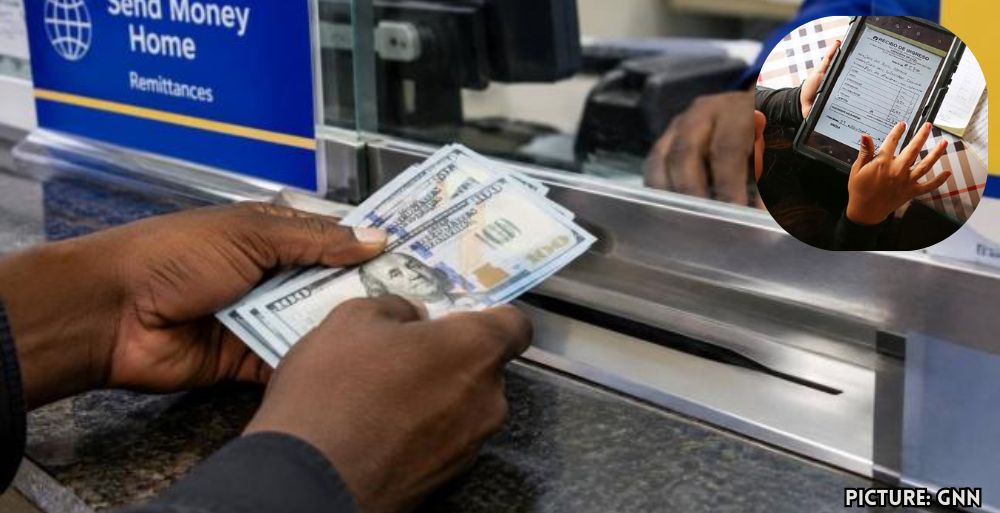
As the remittance landscape evolves, it is noteworthy that more than half of transfers now begin digitally, although many conclude with cash collection by recipients. In 2025, only 35% of services measured were fully digital from sender to recipient. Digital transfers are generally less expensive, averaging around 4.6% in transaction costs compared to 7.3% for non-digital services.
“Technologies really can help. But it’s not enough,” de Vasconcellos remarked, emphasizing the need for families to have access to reliable and affordable methods for receiving and utilizing their funds. IFAD advocates for the implementation of cheaper and more transparent transfer systems, improved access to financial services, and increased opportunities for families to save, insure themselves, and invest in order to enhance their long-term resilience.
Implications for Future Policy
The growing reliance on remittances raises important questions for policymakers regarding the balance between supporting migrant families and ensuring economic stability in their home countries. As remittances continue to play a crucial role in family livelihoods and local economies, it becomes increasingly important to develop strategies that both protect migrants’ rights and foster sustainable economic growth in their countries of origin.
Furthermore, the ongoing evolution of digital financial services offers both opportunities and challenges. As families increasingly turn to digital methods for remittance transfers, there is a pressing need for regulatory frameworks that promote fair practices and protect consumers from high fees and poor services.
In conclusion, while the growth of remittances highlights their significance in supporting families and economies, it also underscores the vulnerabilities that come with such reliance. Addressing these challenges will require concerted efforts from governments, financial institutions, and civil society to create a more resilient and equitable financial environment for migrants and their families.