
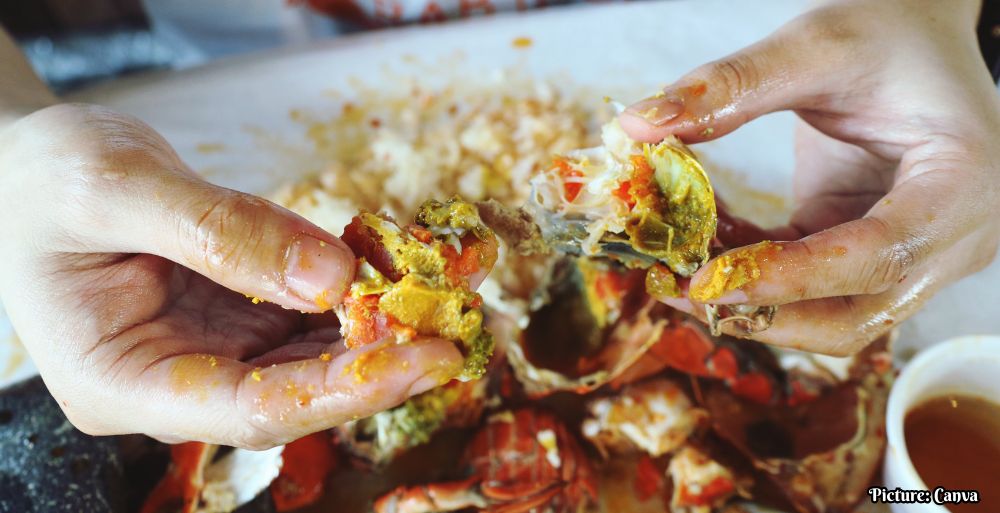
Recent psychological studies reveal that eating with hands is not merely a matter of table manners, but rather a profound connection to cultural identity, sensory experience, and emotional rituals.
In a world where dining etiquette typically emphasizes the use of cutlery, the act of eating with one’s hands is often misunderstood. This behavior, prevalent in various cultures, is gaining recognition for its deeper psychological implications. According to recent psychological insights, eating with hands reflects a desire to maintain a connection to food, family traditions, and cultural identity.
The Cultural Significance of Eating with Hands
Globally, billions of people across countries such as India, Ethiopia, and parts of the Middle East engage in the practice of eating with their hands. This tradition is not merely an archaic custom but rather a vital practice that strengthens familial bonds and cultural heritage. Psychologists suggest that eating habits are intricately tied to identity, as they often evoke memories of family gatherings and communal celebrations.
Psychological theories, such as Social Identity Theory, highlight how individuals derive a sense of belonging from their cultural practices. For many, eating with hands symbolizes a bridge between generations, fostering connections to their roots and preserving cherished memories of family members who have passed down these traditions.
Multisensory Experience and Emotional Connection
Eating with hands engages multiple senses, enhancing the overall experience of the meal. Psychologists refer to this phenomenon as multisensory integration, which allows the brain to process information from various sensory inputs, such as texture and temperature, before the food even enters the mouth. This tactile experience can lead to heightened enjoyment of the meal, as it transforms eating into a more intentional and mindful act.
Research has shown that meals consumed with hands often feel more personal and satisfying. The act of touching food invokes a deeper engagement with the meal, creating a slower, more deliberate eating pace. This mindfulness can lead to greater awareness of portion sizes and a more fulfilling dining experience, as emphasized by researchers at Harvard T.H. Chan School of Public Health.
Rituals and Emotional Comfort
Humans are inherently ritualistic beings, and the routines surrounding meals can provide a sense of emotional comfort. Psychologists associate rituals with predictability, which often contributes to feelings of safety and emotional stability. Family traditions, such as preparing and consuming meals in specific ways, serve as emotional anchors that help individuals navigate a rapidly changing world.
Eating with hands can serve as a comforting ritual that calms the nervous system. For many, the act of sharing food in this manner is steeped in nostalgia and familial love, allowing individuals to experience a sense of belonging and emotional security.
The Impact of Modern Life on Eating Habits
Contemporary life has reshaped the way people engage with food. The prevalence of multitasking—such as eating while scrolling through social media or working—has led to a disconnection from the act of eating itself. This automatic behavior often detracts from the sensory and emotional experience of meals.
Eating with hands interrupts this pattern, compelling individuals to slow down and be present. As hands become active participants in the meal, the experience transforms into a more mindful practice, encouraging individuals to savor their food and reconnect with their eating habits.
Cultural Intelligence and Understanding
One of the key takeaways from the psychology surrounding eating with hands is the importance of cultural intelligence. Ethnocentrism, or the tendency to evaluate other cultures through one’s own standards, can lead to misunderstandings regarding different dining practices. As societies and workplaces become increasingly global, fostering respect for diverse food practices is essential to building empathy and understanding.
There is no single definition of proper dining etiquette; many traditions predate the modern utensils commonly used today. Recognizing and respecting these cultural differences is crucial for promoting inclusivity and acceptance.
Conclusion: The Deeper Meaning of Eating with Hands
Ultimately, psychology reveals that everyday habits, such as eating with hands, often carry significant hidden meanings. This practice is less about rejecting modernity or disregarding manners and more about nurturing connections—to food, to memories, and to cultural roots. As individuals navigate a digital age that increasingly disconnects them from their traditions, many seek grounding through simple yet profound practices, such as the act of sharing a meal prepared with love in the same manner as generations before them.
For countless individuals, eating with hands is not merely a method of consumption; it is a celebration of heritage and a reminder of where they come from.