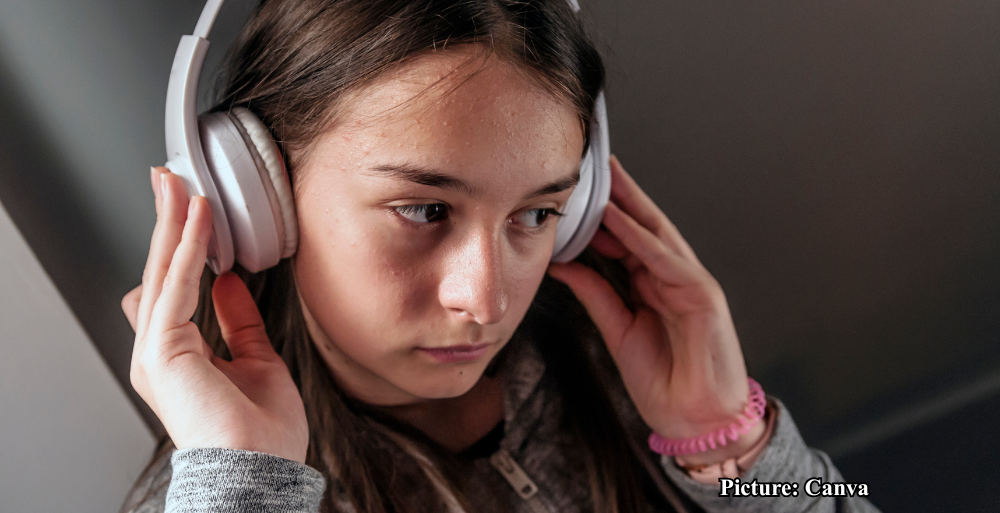
Psychologists reveal that music experienced during adolescence holds a unique emotional power due to the simultaneous development of identity and memory, a phenomenon that continues to resonate into later life.
Recent studies in psychology highlight the profound emotional connection individuals maintain with music they listened to between the ages of thirteen and eighteen. This connection, which often elicits intense emotional responses in adulthood, is not merely a product of nostalgia but is rooted in the neurological architecture of the adolescent brain.
As individuals age, they may find that songs from their teenage years invoke memories and feelings with a clarity and intensity that contemporary music fails to match. This phenomenon has been termed the “reminiscence bump,” a concept referring to the disproportionately vivid autobiographical memories associated with ages ten to thirty, particularly peaking between fifteen and twenty-five. Research indicates that older adults frequently recall experiences from their adolescent and early adult years, demonstrating a significant clustering of memories during this developmental period.
The Science Behind Music and Memory
During adolescence, critical brain development occurs, particularly in regions associated with emotional processing, social cognition, and self-referential thinking. Neuroscientific research has established that the adolescent brain operates differently than that of an adult. It is characterized by heightened emotional reactivity, increased neural plasticity, and a dopamine system that responds to new experiences with exceptional intensity.
This developmental stage renders music an especially powerful medium for encoding memories. As adolescents engage with music, they are not simply experiencing sound; they are employing it as a tool for identity formation and emotional processing. Songs heard during this formative period become integral to self-definition, serving as markers of social belonging and emotional exploration. For instance, a teenager who repeatedly listens to a particular album may be utilizing that music to navigate their emerging identity.
The Distinction Between Nostalgia and Memory Activation
Contrary to the popular belief that emotional responses to old music are purely nostalgic, researchers argue that these reactions stem from the activation of autobiographical memories encoded during a time of significant emotional stakes. The term nostalgia carries connotations of distortion, suggesting a romanticized view of the past. However, the emotional response elicited by adolescent music is more accurately described as a retrieval of original experiences, preserved with an unusual fidelity due to the brain’s heightened receptivity during adolescence.
For many, these songs serve as portals to moments long past, allowing individuals to reconnect with their younger selves. This connection can provide profound emotional insights, as the music resonates with the foundational experiences that shaped their identities. For example, an individual might listen to Fleetwood Mac or Simon & Garfunkel and find themselves transported back to specific moments of their teenage life, complete with sensory details and emotional states that were present at the time.
The Impact of Recent Disruptions on Adolescent Development
Recent global events, such as the COVID-19 pandemic, have raised concerns about potential disruptions to adolescent brain development. Research has indicated that the isolation experienced by teenagers during the pandemic may have lasting effects on their emotional and social development, as well as their relationship with music. The critical window for deep encoding of experiences may have been compromised, leading to possible long-term consequences that remain to be fully understood.
The ability of music to evoke powerful emotional responses is not limited to individuals who share similar musical tastes. Even within different generational cohorts, the emotional impact of music remains significant. For example, individuals may find themselves emotionally engaged by songs that were meaningful to their partners or peers, highlighting the universal nature of music as a bridge connecting different experiences and identities.
Conclusion: Embracing Musical Memories
As individuals reflect on the music of their youth, it is crucial to embrace rather than dismiss these emotional connections. The songs that resonate deeply are not merely relics of the past; they form an integral part of an individual’s identity and emotional framework. Understanding the neuroscience behind these connections allows for a greater appreciation of the role music plays in shaping who we are and how we relate to our memories. For those who feel a surge of emotion when hearing a familiar song from their teenage years, it is a testament to the resilience and complexity of the human brain, which continues to draw upon the foundational experiences encoded during a pivotal period of life.