
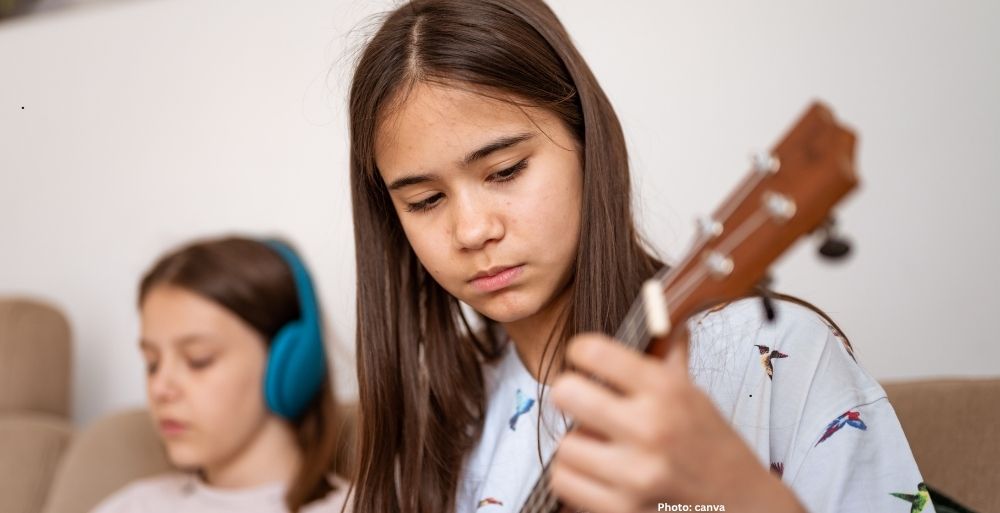
The music that resonates most powerfully with individuals often comes from their teenage years, a phenomenon explained by neurological research into memory and identity formation.
The emotional connection many individuals have with music from their adolescence is rooted in neurological development and identity formation, according to psychologists. Research indicates that songs listened to between the ages of thirteen and eighteen are encoded in the brain in a fundamentally different way than music encountered later in life. This phenomenon, sometimes referred to as the “reminiscence bump,” suggests that these early musical experiences are not merely nostalgic but are integral to the formation of personal identity.
The Role of the Adolescent Brain
During the critical years of adolescence, individuals undergo significant brain development, which greatly influences how they experience and remember music. According to neuroscientific studies, the adolescent brain exhibits heightened emotional reactivity and greater neural plasticity compared to adult brains. This means that music encountered during this period can become deeply embedded within an individual’s sense of self.
Research has shown that the brain processes emotional experiences differently during adolescence. For instance, the areas responsible for emotional processing and social cognition mature during this time, leading to a unique interaction with music. A song heard at sixteen can evoke vivid memories of specific moments, including sensory details such as the atmosphere of a room or the feelings associated with a first love. In contrast, music heard later in life often lacks this depth of emotional resonance.
The Reminiscence Bump Explained
The reminiscence bump is characterized by a concentration of vivid autobiographical memories clustered around the ages of ten to thirty, peaking between fifteen and twenty-five. When older adults reflect on their past, they frequently retrieve memories from their teenage years and early adulthood. This tendency highlights the importance of music during this developmental stage, as it serves as a powerful trigger for recalling these formative experiences.
For many, music from their adolescence is not simply a reminder of the past but a vehicle for reconnecting with their younger selves. The emotional responses elicited by these songs can feel disproportionately intense compared to more recent musical encounters. This is largely because the music becomes intertwined with the identity formation process, acting as a tool for self-discovery and social belonging during a time of significant change.
Building Identity Through Music
As individuals navigate the complexities of adolescence, music plays a crucial role in their emotional and social development. Songs from this period can help articulate feelings and experiences that may otherwise be difficult to express. For instance, a teenager may repeatedly listen to a particular album as a way to process emotions and solidify their identity. This engagement with music is not merely a pastime; it is an essential part of the developmental journey.
As individuals grow older, the relationship with music shifts. While adults can still appreciate new songs, the emotional stakes are different. By the age of twenty-five, the brain’s capacity for learning and identity formation begins to change, focusing more on refining existing structures rather than building new ones. Consequently, new music may not evoke the same profound emotional responses as songs from one’s teenage years.
The Impact of Disruption
Recent studies, particularly in the context of the COVID-19 pandemic, have raised concerns about the long-term effects of disruptions on adolescent brain development. The pandemic forced many teenagers into isolation, impacting their social experiences and potentially altering their relationship with music. As researchers continue to explore the consequences of this disruption, it is evident that the formative years of adolescence are critical for establishing deep emotional connections with music.
Conclusion
For many individuals, the emotional power of music from their youth is a testament to the brain’s ability to encode significant experiences. This connection is not merely a reflection of nostalgia but rather a retrieval of foundational memories that shaped their identities. As one reflects on the music of their adolescence, it becomes clear that these songs are not just relics of the past; they are integral components of the self.
As people continue to engage with music from their teenage years, it is important to recognize the depth of these emotional responses. Rather than dismissing them as mere sentimentality, individuals should appreciate the intricate relationship between music, memory, and identity. Ultimately, the songs that resonate most profoundly are those that helped construct the very foundation of who they are today.