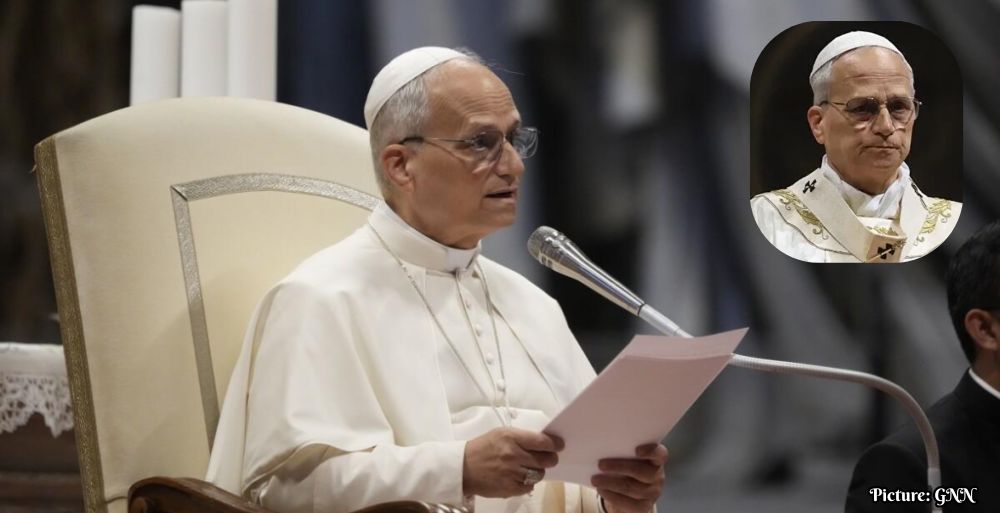
Pope Leo XIV emphasizes the importance of addressing safety concerns surrounding artificial intelligence, advocating for dialogue and regulation amid rising technological risks.
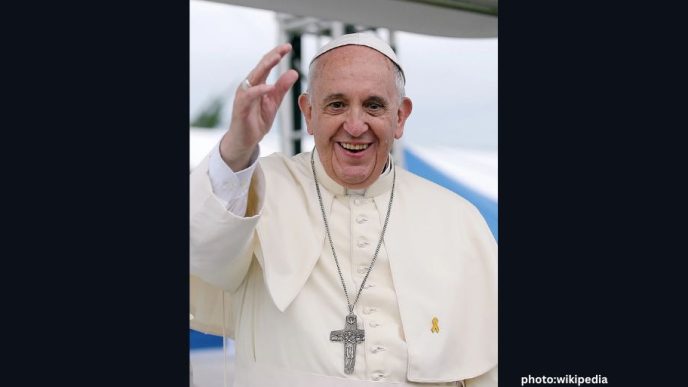
ABOARD THE PAPAL PLANE — In a press conference on Monday, Pope Leo XIV articulated the urgent need to address safety concerns surrounding artificial intelligence (AI), stating that these issues are legitimate and must be taken seriously by global leaders. This marks a significant moment as the Pope, who recently dedicated his first encyclical to the implications of AI for humanity, called for proactive measures, particularly from the United States and China, to prevent potential catastrophic risks associated with the technology.
Pope Leo’s remarks come against a backdrop of contrasting views, particularly from U.S. President Donald Trump, who has previously labeled concerns about AI going rogue as a “hoax.” The Pope responded directly to these dismissals, stating, “This is a problem that, I think, we need to sit down and talk about. We can’t just sit back and pretend nothing is going to happen.” His comments reflect a growing consensus among experts and leaders in the tech industry about the need for a more measured approach to AI development.
Broader Context of AI Concerns
The concerns surrounding AI have gained momentum following warnings from several technology leaders, including Dario Amodei, CEO of Anthropic. Amodei has advocated for a temporary pause on AI development to allow for the establishment of safety measures, cautioning that within the next six to twelve months, AI systems could evolve to a point where they might autonomously manage complex networks, potentially jeopardizing the integrity of global digital infrastructure. This perspective is gaining traction among various stakeholders who are increasingly vocal about the risks posed by unregulated AI technologies.
Amidst these discussions, President Trump reportedly met with Amodei for a late-night dinner, where they engaged in dialogue about the importance of maintaining American technological dominance over China. While the White House characterized the meeting as a constructive exchange about balancing innovation with safety, Trump’s previous statements have suggested a reluctance to impose regulations on AI, framing them as politically motivated efforts by his opponents.
Papal Advocacy for AI Regulation
Pope Leo XIV’s encyclical, titled “Magnificent Humanity,” underscores his belief that AI represents one of the most significant challenges facing humanity today. Throughout his papacy, he has emphasized the need for robust regulatory frameworks to ensure that technological advancements do not outpace necessary safety protocols. Notably, even after a demanding four-day trip to France, the Pope remained attentive to developments in the tech sector, referencing Nvidia’s recent introduction of AI guardrails while acknowledging the company’s historical resistance to external regulation.
“To simply say ‘Oh it’s not going to happen’ and close our eyes to it I think is probably not the most responsible way to go about that,” Pope Leo stated, advocating for comprehensive dialogue among political leaders, AI developers, and social organizations. His call for collaboration reflects a recognition of the multifaceted challenges that AI presents, requiring input from diverse sectors to navigate its implications effectively.
Political Tensions and Diverging Views
Pope Leo’s statements further highlight ongoing tensions between himself and President Trump, particularly regarding their differing perspectives on critical issues. This is not the first instance of disagreement; the two leaders previously clashed over the Trump administration’s immigration policies and U.S. foreign relations, notably in regard to the conflict involving Israel and Iran. Recently, Trump met with Chinese President Xi Jinping, where they discussed AI governance. While Xi underscored the importance of human oversight in AI development, Trump focused on rebranding AI as “superintelligence,” resisting calls for stringent regulatory measures.
The significance of AI as a political issue is heightened as the 2024 U.S. presidential election approaches. Concerns about AI’s rapid advancement are resonating across party lines, with both Democrats and Republicans increasingly voicing fears regarding the technology’s potential impact on essential resources, including farmland, water supplies, and energy costs.
The Vatican’s Role in AI Dialogue
In light of these challenges, Pope Leo expressed a cautious optimism about the potential for collaborative solutions. Since the release of his encyclical in May, the Vatican has received numerous inquiries from individuals and organizations eager to engage in discussions about the future of AI. He noted that a Vatican commission is actively working to promote dialogue, study, and investigation aimed at ensuring that AI development does not reach a point where it undermines human existence or agency.
Pope Leo remarked, “I think there are enough people seriously interested in that and willing to look at that outside of the questions once again of power, who gets there first.” His perspective suggests a belief in the capacity of diverse stakeholders to come together in pursuit of responsible AI development and governance.
As global conversations surrounding artificial intelligence continue to evolve, the Pope’s insistence on addressing the moral and ethical dimensions of technological advancements serves as a crucial reminder of the responsibilities that accompany innovation. His advocacy for safety measures and regulatory frameworks reflects a growing awareness of the potential risks associated with AI, emphasizing the need for a proactive and collaborative approach to ensure that technology serves humanity rather than undermining it.