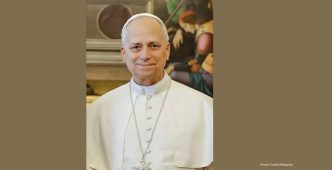
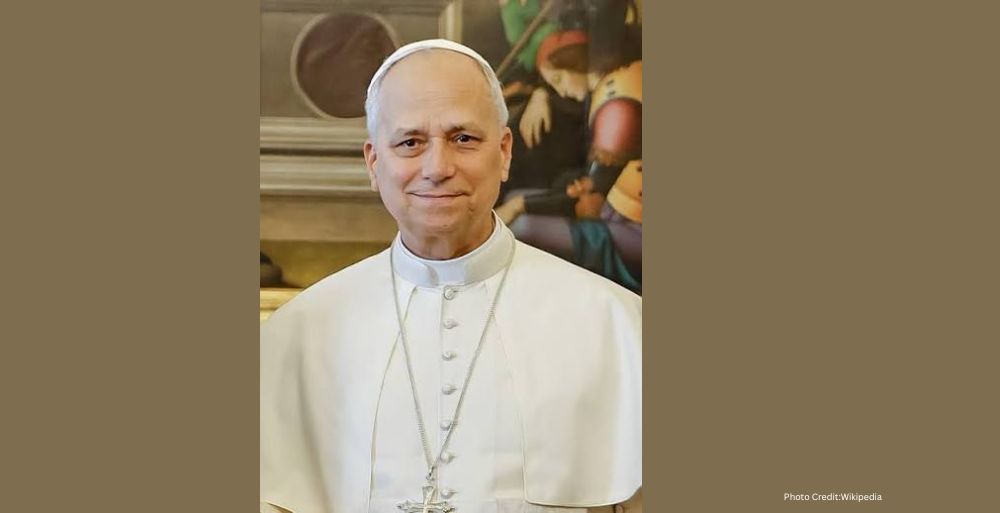
The recent diagnosis of lung cancer for Pope Leo XIV has introduced uncertainty regarding his papacy, prompting discussions about succession and the church’s future direction.
Pope Leo XIV’s recent diagnosis of lung cancer has cast a shadow over what was expected to be a long and impactful papacy. Elected less than 18 months ago at the age of 69, Leo was seen as a youthful leader capable of steering the Roman Catholic Church for decades. His vibrant public persona and active lifestyle had led many to believe in his longevity as pope.
The diagnosis, revealed on Tuesday, brings significant questions regarding his health, travel plans, and overall agenda as head of the Catholic Church. This sudden turn of events mirrors the concerns that surrounded his predecessor, Pope Francis, who faced various health challenges during his papacy, despite initially projecting an image of strength.
Context of the Diagnosis
Pope Leo, born Robert Francis Prevost in Chicago, was noted for his energetic public engagements and apparent good health. He regularly participated in tennis and maintained a busy schedule, marked by meetings, public audiences, and the release of significant documents, including one addressing the implications of artificial intelligence. His selection represented a generational shift in papal leadership, contrasting sharply with Francis, who began his papacy at 76 and faced health issues almost immediately.
Christopher White, a senior fellow at the Initiative on Catholic Social Thought and Public Life at Georgetown University, noted the common expectation surrounding Leo’s papacy. “The common consensus was he’s young, we’re in for a long papacy,” he remarked, highlighting the shock surrounding the recent health news. The sense of urgency now permeates discussions around the pope’s future and the church’s direction.
Implications for the Papacy
The pope’s cancer diagnosis has raised immediate concerns about his travel schedule and public engagements. Leo had recently returned from trips to Spain and France and had plans to visit Latin America in November, which are now under scrutiny. The Vatican announced that the surgery to remove a lower lobe of his right lung was successful and without complications, suggesting the cancer was detected early. This development provides a glimmer of hope regarding his recovery.
David Gibson, director of the Center on Religion and Culture at Fordham University, emphasized the potential impact of this situation on the church. He expressed that the pope’s illness could lead to disquiet within the Catholic community, depending on the transparency of the Vatican regarding his treatment progress. “This kind of thing just creates disquiet,” Gibson noted, indicating the need for clear communication from the Vatican.
Public Response and Future Considerations
Throughout his tenure, Leo has aimed to bridge divides within the church, appealing to both progressive and conservative factions. His approach has garnered him respect not just among Catholics but also from broader audiences who view him as a moral leader in challenging times. As he navigates this health crisis, there exists the potential for Leo to enhance his reputation by embodying resilience and inspiring hope among those facing similar struggles.
Looking back at history, the cancer narrative could echo the trajectory of Pope John Paul II, who, after surviving an assassination attempt, became a figure of resilience and inspiration. Gibson noted, “If Leo makes a strong recovery, the cancer could become part of a heroic narrative that buoys Leo’s reputation.” This sentiment underscores the complex relationship between health, public perception, and papal leadership.
Transitional Leadership and Succession Concerns
The diagnosis has reignited discussions about succession planning within the Vatican. Traditionally, papal succession is a topic cloaked in speculation until the need arises, but Leo’s health crisis has prompted analysts and church officials to consider potential successors. Historical patterns indicate that the church often favors candidates with significant experience and theological grounding, such as cardinals from diverse backgrounds in the Church.
The implications extend beyond the Vatican walls, touching the lives of millions of faithful who look to their leader for guidance and inspiration. Conversations about the future of the papacy and how it might evolve under new leadership are likely to gain momentum, especially if Leo’s health remains a concern.
The Role of Transparency in Leadership
The Vatican’s approach to communicating about Pope Leo’s health could significantly impact his legacy. Transparency can foster trust and stability within the Catholic community, while ambiguity may lead to anxiety and speculation. The church’s history has shown that leaders who are open about their challenges often inspire greater loyalty and understanding among their constituents.
As the pope continues his recovery, he faces not only the challenges of his illness but also the heightened expectations of a global audience. His experience may resonate with many individuals who are battling illness, thereby allowing him to connect on a deeper level with those who seek solace and guidance.
Conclusion: A Pivotal Moment for the Church
As discussions surrounding Pope Leo XIV’s future continue, the Roman Catholic Church stands at a critical juncture. The leadership dynamics, succession plans, and overall direction of the church could be significantly influenced by the pope’s health and his response to the challenges posed by his illness. This moment in papal history underscores the vulnerabilities inherent in leadership and the profound impact that personal health can have on institutional stability.