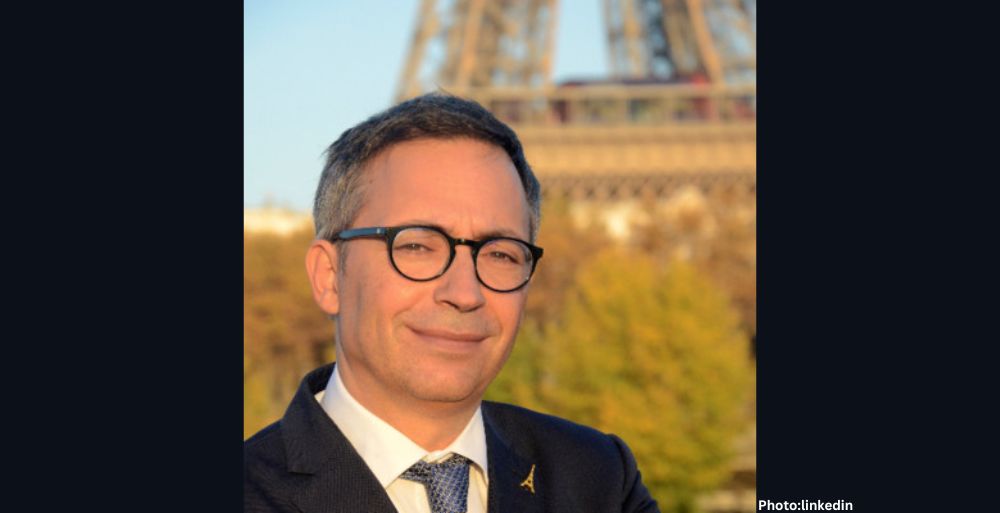
Patrick Branco Ruivo, the director general of the company that operates the Eiffel Tower, will step down following an investigation that revealed female staff were excluded during a visit by a Hindu religious delegation.
PARIS — Patrick Branco Ruivo, the director general of the Société d’Exploitation de la tour Eiffel, announced his resignation effective at the end of the year after an independent investigation uncovered operational failures surrounding a controversial incident that occurred during a visit by the Bochasanwasi Shri Akshar Purushottam Swaminarayan Sanstha (BAPS) on September 5. This investigation revealed that female staff members were inappropriately excluded from engaging with the delegation, a situation the company described as “unacceptable.”
Ruivo, who has held the position since late 2018, faced significant backlash after it was revealed that management directed female employees to avoid contact with members of the Hindu religious organization during their visit to the iconic Paris landmark. The Eiffel Tower, which attracts approximately 7 million visitors each year, was subsequently closed on September 7 due to a staff strike in protest of what was characterized as unacceptable management practices.
Details of the Incident
The BAPS organization, part of the Swaminarayan sect of Hinduism, was visiting the Eiffel Tower to celebrate the inauguration of a traditional stone temple in the Paris region. Following the incident, BAPS released a statement clarifying that the group had not requested the exclusion of female employees from the visit. They emphasized that the religious practices of their monks, which management had been informed of prior to the visit, do not necessitate such actions. “The religious practices of our monks were explained to the Eiffel Tower’s management in advance. These are personal spiritual commitments, which our monks observe without seeking to impose them on others. They do not require women to be excluded from the places they visit,” the statement read.
This clarification from BAPS raises questions about the decision-making processes within the management of the Eiffel Tower and the extent to which misunderstandings or assumptions about religious practices can lead to discriminatory actions in the workplace.
Reactions from Staff and Management
The fallout from this incident has been considerable, prompting Ariel Weil, the chair of the operating company, to announce that measures and training programs promoting gender equality would be implemented. This response reflects a growing recognition of gender discrimination issues not only in France but globally, particularly in workplaces with significant public engagement.
Many employees expressed their discontent not only regarding the exclusion of female staff but also concerning broader management directives perceived as discriminatory. The incident has highlighted ongoing tensions between the staff and management of the Eiffel Tower, which are indicative of wider labor disputes that have marred the landmark’s operations in recent years. In February 2024, for instance, the Eiffel Tower was closed for six days due to a strike over demands for better working conditions and higher wages.
The Broader Context of Workplace Practices
Ruivo’s impending resignation comes amid a global scrutiny of workplace practices and the critical importance of gender equality. The Eiffel Tower incident serves as a reminder of the necessity for organizations to actively foster inclusive environments, especially in high-profile public institutions that are emblematic of cultural heritage.
This situation is particularly relevant as discussions around gender equality continue to evolve in various sectors, with increasing calls for transparency and accountability. Companies and organizations are being urged to ensure that their operational practices align with contemporary standards of inclusivity and equality.
Future Implications for the Eiffel Tower
As the Eiffel Tower remains a symbol of Paris and a major tourist destination, the upcoming leadership transition may provide an opportunity for renewed focus on ethical management practices and inclusivity. The changes in leadership could reshape public perception of the organization, potentially restoring confidence among both employees and visitors.
The investigation into this incident and its outcomes underscore the critical importance of addressing gender issues within global landmarks that serve as cultural touchstones. The Eiffel Tower’s management now faces the challenge of rebuilding its reputation and ensuring that such incidents do not recur in the future.
As the situation develops, it will be essential for the new leadership to implement effective policies that promote gender equality and inclusiveness, ensuring that the Eiffel Tower can continue to be a welcoming space for all visitors and employees. The decision to resign by Ruivo may serve as a pivotal moment for the organization, signaling the necessity for substantial changes in how management interacts with staff and the public regarding sensitive issues of gender and representation.