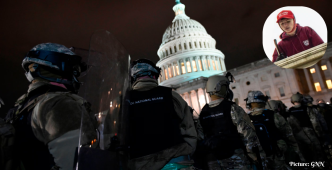
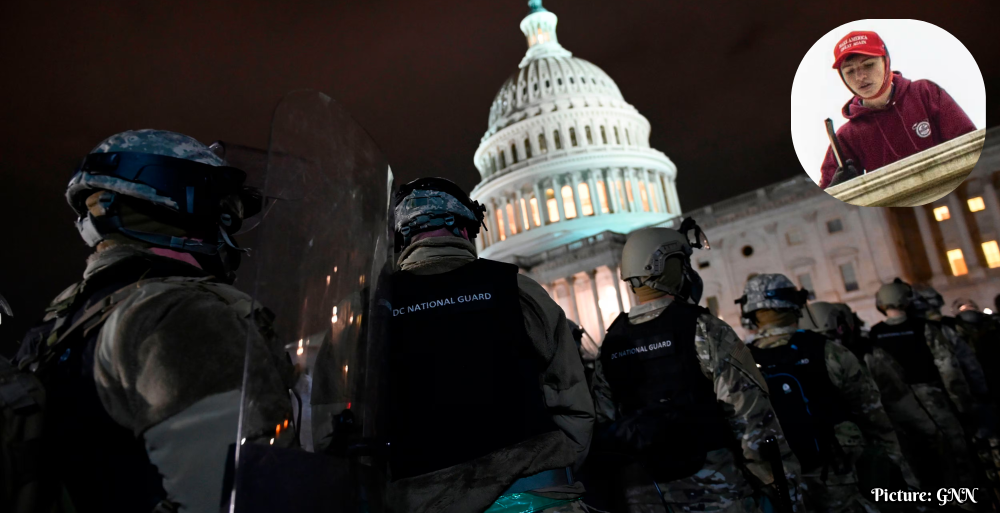
A convicted participant in the January 6, 2021, Capitol riot has been appointed to a position in the Pentagon’s office overseeing special operations and irregular warfare, raising questions about the implications of such a hiring decision.
The Pentagon has confirmed the appointment of Elias Irizarry, a 19-year-old who participated in the January 6 insurrection, to its Special Operations and Low Intensity Conflict office. This office is responsible for overseeing sensitive military operations related to counterterrorism and irregular warfare, as reported by The Washington Post on Tuesday.
In a statement to The Hill, a Pentagon spokesperson described Irizarry as a “qualified, patriotic young professional” and expressed pride in having him as a political appointee within the Department of War. The spokesperson, acting press secretary Joel Valdez, defended the appointment by criticizing the media, saying, “Unlike Mr. Irizarry, the Washington Post does not care about national security given its track record of low-tier reporters publishing and soliciting classified information that could hurt our nation on a daily basis.” This remark highlights the contentious relationship between the Pentagon and certain media outlets, particularly surrounding matters of national security.
Background on Elias Irizarry
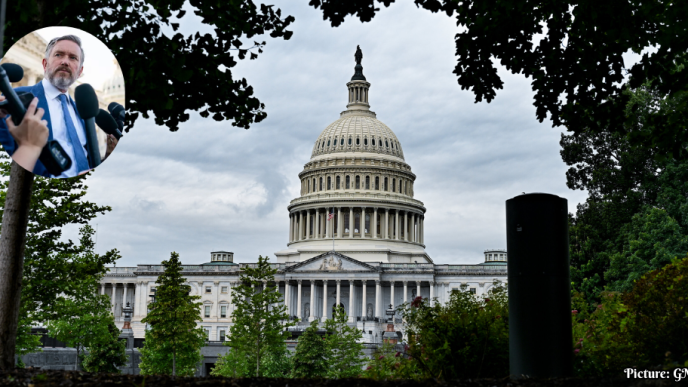
Irizarry’s involvement in the January 6 riot was marked by his journey from South Carolina to Washington, D.C., to attend President Trump’s “Stop the Steal” rally. At the time of the event, he was a freshman at The Citadel, a military college in South Carolina, and was also associated with the Civil Air Patrol. The FBI identified Irizarry through security footage that captured him entering the Capitol through a broken window.
Following his actions during the riot, Irizarry was charged with entering and remaining in a restricted building or grounds. He ultimately pleaded guilty and was sentenced to 14 days in prison. During the legal proceedings, prosecutors indicated that Irizarry did not display remorse for his actions at the time of his arrest, but rather expressed a desire to identify who had reported him to the authorities.
Reactions to the Appointment
During a sentencing hearing in 2023, Irizarry expressed regret over his involvement in the Capitol riot, stating, “I am ashamed because I will always be a part of this disgrace. January 6th represented something truly horrible; it was the largest attack on our democracy since the Civil War.” His comments reflect a complex relationship with the events of January 6 and underline the personal and societal ramifications of the insurrection.
The appointment of a convicted rioter to a sensitive role within the Pentagon has sparked discussions regarding the implications of this decision for national security and the military’s integrity. Critics may argue that hiring someone with a felony conviction related to an attack on the democratic process could undermine the credibility of the office and the trust placed in it by the public and service members alike.
Irizarry’s academic journey took a turn following his guilty plea; he was initially suspended from The Citadel but was later readmitted and successfully graduated. His political aspirations continued as he ran for a seat in the South Carolina state House in 2024, although he lost in the Republican Party primary by a significant margin of over 44 points to incumbent state Rep. Randy Ligon.
Implications for National Security and Governance
The appointment raises broader questions about the political landscape in which such decisions are made. The Defense Department’s choice to bring Irizarry on board may reflect an effort to integrate diverse perspectives, even those marked by controversy. However, it also highlights the ongoing divisions within American society regarding the events of January 6 and their aftermath.
As the nation continues to grapple with the implications of that day, the Pentagon’s decision to appoint Irizarry serves as a reminder of the complexities surrounding issues of accountability, redemption, and the role of individuals in shaping national policy. Observers will likely watch closely how this appointment will affect the perception of the military’s commitment to upholding democratic values and the rule of law.
Analysis of the Political Context
The decision to appoint Irizarry comes amid a contentious political climate, marked by increasing polarization and debates over accountability for the January 6 events. Many advocates for democracy and civil rights have expressed alarm at the normalization of individuals with extremist backgrounds holding positions within government agencies. This particular appointment underscores the challenges faced by the Biden administration and the Pentagon in navigating the complexities of national security while addressing the fallout from the Capitol riot.
Critics argue that the presence of individuals with such a controversial past could compromise the integrity of the office responsible for overseeing special operations—activities that are critical to national security and counterterrorism efforts. Proponents suggest that Irizarry’s experiences may provide unique insights into the motivations of individuals involved in political violence, potentially informing future counter-radicalization efforts.
Conclusion
The appointment of Elias Irizarry to the Pentagon has ignited a debate about the boundaries of redemption and the implications of hiring individuals with a checkered past, especially in sensitive roles linked to national security. The ramifications of this decision are likely to reverberate beyond the walls of the Pentagon, influencing public perception of the military and its commitment to uphold democratic principles. As the nation reflects on the events of January 6 and the ongoing struggle for unity and accountability, the choices made by government institutions will remain under scrutiny.