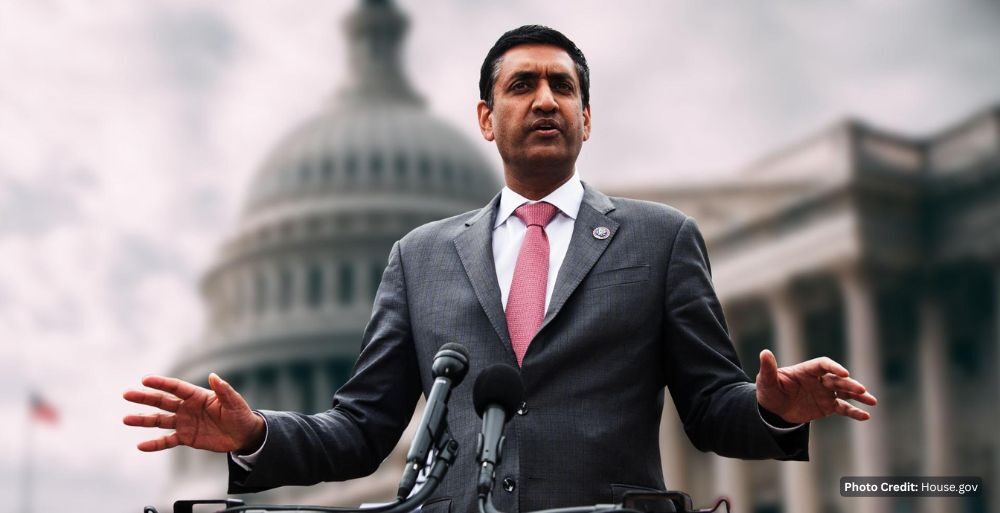

As the United States approaches the midterm elections on November 8, 2022, both major parties are intensifying efforts to secure pivotal congressional seats amid significant voter dissatisfaction and economic challenges.
With the midterm elections scheduled for November 8, 2022, political dynamics in the United States are increasingly defined by contentious races, economic instability, and a deeply polarized electorate. Both the Democratic and Republican parties are mobilizing resources to secure crucial seats in Congress that could significantly influence the balance of power.
Significance of Midterm Elections
Midterm elections in the United States have historically served as a barometer for public sentiment regarding the sitting president’s administration. It is common for the party holding the presidency to lose seats during these elections. For example, the 2010 midterms saw the Democratic Party lose 63 House seats, resulting in a Republican majority, while the 2018 midterms resulted in a Democratic gain of 41 House seats, largely attributed to voter dissatisfaction with then-President Donald Trump.
As of October 2022, polling data reveals a stark sense of unease among voters. A Gallup poll highlighted that 44% of registered voters express dissatisfaction with the direction of the country. This sentiment may drive increased turnout among opposition voters, raising the stakes for both parties as they approach Election Day.
Key Races and Candidates
Several key races are being closely monitored as indicators of national political trends. In Pennsylvania, the Senate race between Democratic nominee John Fetterman and Republican Mehmet Oz is drawing significant attention. Recent polling from Emerson College indicates a razor-thin margin, with Fetterman leading Oz by just two percentage points. This tight race underscores the competitive nature of this crucial Senate seat, which could swing the balance of power in the chamber.
Arizona presents another critical battleground, where incumbent Democratic Senator Mark Kelly faces Republican challenger Blake Masters. Both candidates have engaged in aggressive campaigning, with fundraising efforts exceeding millions of dollars. Kelly’s seat is particularly vital for Democrats aiming to maintain control of the Senate, especially given its current 50-50 split.
In Georgia, incumbent Republican Senator Raphael Warnock is in a tight contest with former football star Herschel Walker. Polls suggest a close race, with Warnock maintaining a slight edge. The electoral battle reflects broader national debates over hot-button issues such as abortion rights, economic policy, and public health, which resonate deeply with voters in the state.
Voter Concerns and Key Issues
As midterm elections draw near, prevailing issues such as inflation, healthcare, and crime have emerged as central concerns for voters. The Bureau of Labor Statistics reported that inflation reached a staggering 40-year high in June 2022, contributing to widespread economic anxiety among the electorate. In response, candidates from both parties are tailoring their campaign messages to address these pressing issues.
Democrats have sought to highlight their legislative responses to inflation and economic challenges, notably through the Inflation Reduction Act. This initiative aims to lower prescription drug costs and invest in clean energy, positioning these measures as vital steps toward economic recovery. President Joe Biden has emphasized these initiatives as essential to alleviating inflationary pressures.
Conversely, Republicans are leveraging economic discontent to critique the Biden administration’s policies. GOP candidates argue that the current administration’s decisions have exacerbated inflation and economic instability, framing the elections as a referendum on Democratic governance.
Potential Implications for Governance
The outcomes of the midterm elections carry significant implications for the future of governance in the United States. Should Republicans regain control of either the House or Senate, it could lead to legislative gridlock, complicating President Biden’s policy agenda and hindering progress on key initiatives. A Republican-controlled Congress could also initiate investigations into the Biden administration, further polarizing the political landscape.
On the other hand, if Democrats manage to maintain or even expand their majority, it may signal broad voter support for their current policies, allowing for more ambitious legislative efforts. Such an outcome could enhance the party’s ability to advance its agenda, especially on issues related to healthcare, climate change, and social justice.
Voter Engagement and Election Integrity
As the election date approaches, voter engagement will be crucial. Early voting and mail-in ballots are expected to play vital roles, particularly in highly competitive states. Election officials are preparing for potential challenges, including misinformation and disputes over voting rights, which have increasingly surfaced in recent election cycles. The integrity of the electoral process remains a paramount concern, as both parties anticipate potential legal and logistical hurdles.
In conclusion, the 2022 midterm elections are shaping up to be a decisive moment for American politics, with critical races and shifting voter sentiment at the forefront. As the nation gears up for a potentially transformative electoral cycle, the results could redefine the trajectory of governance in the United States for years to come.