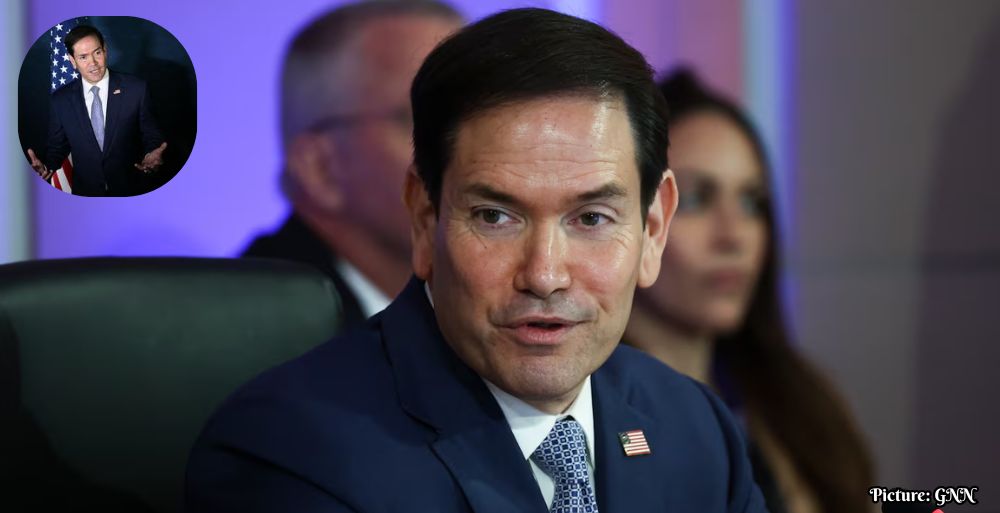
During the ASEAN summit in Manila, U.S. Secretary of State Marco Rubio raised alarm over Iran’s military control of the Strait of Hormuz, describing it as a “dangerous precedent” that threatens international navigation and global economic stability.
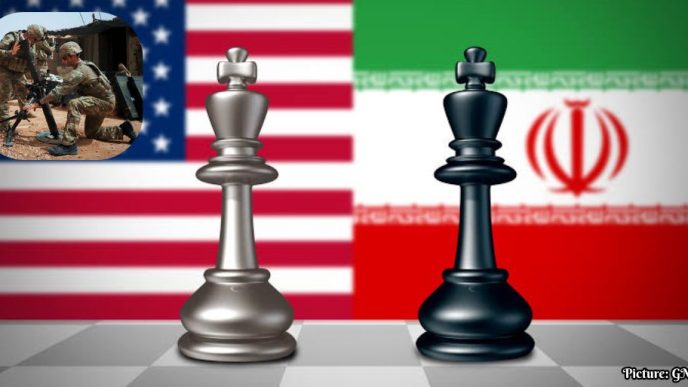
MANILA, Philippines — At the annual Association of Southeast Asian Nations (ASEAN) summit on Wednesday, U.S. Secretary of State Marco Rubio expressed serious concerns regarding Iran’s escalating military control over the Strait of Hormuz. He characterized this development as a “dangerous precedent” that could reverberate across international navigation and global trade. Rubio’s remarks come amid heightened tensions between the United States and Iran, particularly in light of a series of maritime confrontations that have unfolded in recent weeks.
Rubio stated, “If we create a precedent in the Middle East where a nation-state can decide that they are going to control an international waterway, charge a toll, and if you don’t pay them, blow up your ships, we have created a very dangerous precedent which will repeat itself in other parts of the world, including in this region.” His comments underscore the potential for a broader destabilization of maritime norms, which have traditionally governed international waters.
Recent Escalations and International Implications
The Strait of Hormuz is a crucial maritime corridor, with the International Energy Agency (IEA) reporting that approximately 34 percent of the world’s crude oil passed through it in the previous year. As tensions have escalated since early July, the U.S. and Iran have engaged in a series of tit-for-tat military actions that have effectively dismantled a fragile memorandum of understanding signed in mid-June. This agreement had aimed to alleviate tensions by calling for Iran to lift its restrictions on shipping in the strait and for the U.S. to ease its blockade of Iranian ports.
Since July 6, Iranian forces have reportedly attacked at least a dozen vessels in the Strait of Hormuz, according to the International Maritime Organization. In a significant escalation of its oversight, the Iranian government has established the Persian Gulf Strait Authority to regulate shipping in the strait, mandating that vessels adhere to designated routes. These actions have raised alarm not only within the U.S. but also among other nations reliant on secure maritime routes for energy supplies.
Legal Context and Freedom of Navigation
Rubio emphasized that Iran lacks legitimate authority to control navigation in the Strait of Hormuz, reiterating a point he has made consistently. He articulated that the issue transcends the immediate regional conflict, tapping into fundamental principles of freedom of navigation that have underpinned international trade for over 150 years. “If that is threatened, then I think the global economy is threatened and the rules which have underpinned 150 years of international trade and commerce are also threatened,” Rubio asserted. This perspective aligns with international laws governing maritime activities, which assert that straits used for international navigation should remain accessible to all vessels.
This situation poses not only a legal quandary but also significant economic risks. Should Iran continue to assert control over the Strait of Hormuz, the potential for increased shipping costs, insurance premiums, and disruptions in global oil supply could have far-reaching impacts on the world economy. Analysts have warned that sustained instability in this key maritime corridor could lead to volatile fluctuations in oil prices, affecting both consumers and industries worldwide.
U.S. Military Engagement
Rubio’s comments come amid a backdrop of intensified military operations by U.S. Central Command (Centcom), which has conducted a series of airstrikes against Iranian military assets. As of Tuesday, Centcom reported completing its 11th consecutive night of operations aimed at degrading Iran’s military capabilities. Targets have included military operations centers, maritime assets, aircraft hangars, drone storage facilities, and logistics infrastructure. These strikes are intended to mitigate Iran’s capacity to threaten commercial shipping in the Strait of Hormuz.
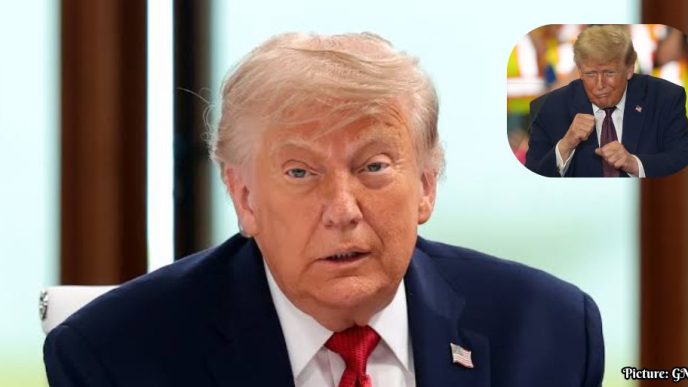
In the context of these military actions, Rubio’s statements reflect a nuanced position within the current U.S. administration. While President Trump has adopted a more aggressive stance toward Iran following attacks that resulted in the deaths of four U.S. service members, Rubio indicated that the U.S. remains open to diplomatic engagement. “If they’re serious, we’re serious,” he said, referencing the possibility of negotiations with Iranian officials. However, he cautioned that if diplomacy fails, the U.S. would take necessary actions to protect its interests and those of its allies.
Conclusion: Broader Geopolitical Implications
The situation in the Strait of Hormuz continues to be a focal point of geopolitical tension, with implications not only for regional stability but also for the global economy. As the U.S. ramps up its military response and navigates the complex dynamics of diplomacy with Iran, the outcome of these confrontations will likely have lasting effects on international maritime law, trade, and the overall structure of global energy supply. The forthcoming months will be critical in determining whether diplomatic channels can be utilized to de-escalate tensions or whether the situation will lead to further conflict in a region already fraught with challenges.