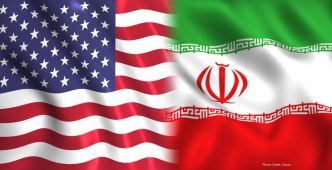
A three-hour meeting mediated by Qatar between Iranian and US representatives in New York has sparked discussions over Iran’s conditions for reopening the Strait of Hormuz, with both sides reporting a productive dialogue, despite differing interpretations of the talks’ outcomes.
NEW YORK – In a significant diplomatic engagement, Iranian Foreign Minister Abbas Araghchi met with US envoys Steve Witkoff and Jared Kushner at the United Nations on Tuesday, September 26, 2023. The talks were facilitated by Qatar and lasted approximately three hours, leading to contrasting accounts regarding Iran’s stance on preconditions for reopening the crucial Strait of Hormuz.
US President Donald Trump characterized the discussions as “very productive,” suggesting that they could lead to further negotiations in the near future. Following the meeting, the price of Brent crude oil fell below $100 per barrel for the first time in two weeks, indicating market sensitivity to geopolitical developments in the region.
Witkoff described the talks as “encouraging, constructive, and successful,” reflecting a cautious optimism from the US side. However, Iran’s foreign ministry spokesperson, Esmail Baghaei, confirmed the meeting without acknowledging any changes in Iran’s negotiating position. He emphasized that the discussions aimed to communicate Iran’s conditions, which include demands for an end to hostilities, cessation of aggressive American actions, and the release of Iranian assets currently frozen under sanctions.
Iran’s Preconditions and Regional Implications
Iran has previously outlined seven preconditions for resuming negotiations, with a notable recent statement suggesting that the Strait of Hormuz could be reopened within seven days, contingent upon the fulfillment of these conditions. This strategic waterway is vital for global oil transport, and any agreement regarding its management is likely to require US and Gulf state acceptance of a navigational route predominantly within Iranian waters.
The significance of the Strait of Hormuz cannot be overstated, as it accounts for approximately 20% of the world’s oil shipments. Reports indicate that fewer than five identifiable tankers are currently making their way through the strait daily, highlighting the ongoing tensions and operational challenges in the area.
In addition to the Strait of Hormuz, concerns about the Bab al-Mandab strait have emerged, particularly due to the control exerted by the Iranian-backed Houthi forces in Yemen. The Houthis have been linked to disruptions in shipping routes, further complicating the security environment in the region.
Despite the intense pressure from sanctions and a US naval blockade, which has severely impacted Iranian oil exports, there is little indication that the Trump administration seeks to initiate a full-scale conflict with Iran or the Houthis. The current geopolitical landscape is characterized by a Republican push to pivot domestic political focus away from what many perceive as an unwinnable war.
Iran’s Domestic and International Position
Adding to the complexities, Iran’s civilian aviation sector faces increasing challenges as the threat of US secondary sanctions looms over entities that engage with its commercial fleet. Iranian officials are reportedly negotiating with neighboring countries to maintain an air bridge, though Oman and Iraq have reportedly restricted their airspace for Iranian civilian planes, further isolating Iran in the international community.
Iranian President Masoud Pezeshkian, who is scheduled to address the UN General Assembly, has expressed support for diplomatic negotiations with the US but has been careful not to directly engage in the recent talks. He reiterated that the memorandum of understanding (MoU) established on June 17 remains the foundation for future discussions, although its implementation has faltered amid mutual accusations of violations.
Pezeshkian is expected to criticize perceived Western double standards in addressing international conflicts, especially in relation to the situation in Gaza and the treatment of Palestinians. His remarks are likely to reflect a broader sentiment shared by various leaders at the UN, including French President Emmanuel Macron, who condemned the US and Israeli efforts to undermine the Iranian government, suggesting that such actions have historically led to greater instability in the region.
Macron’s comments, alongside those from Jordan’s King Abdullah II, highlight a growing frustration among international leaders regarding the ongoing violence in Gaza and the broader implications of Western foreign policy in the Middle East. Abdullah criticized the Israeli government’s actions and called for accountability, emphasizing that the situation should not be viewed merely as temporary military measures but as an ongoing attempt to alter the territorial reality in Gaza.
As discussions surrounding Iran’s position and the larger geopolitical landscape continue, the outcomes of these negotiations could significantly impact oil markets, regional stability, and the future of US-Iran relations.