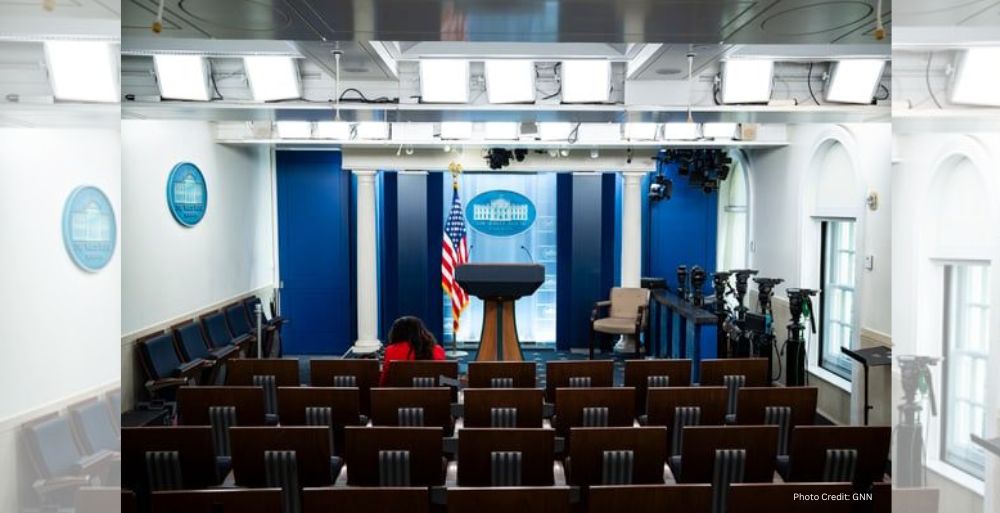
A U.S. District Judge has ruled that the Trump administration must temporarily restore press access to journalists from CNN, MS Now, and Politico, citing likely constitutional violations in the administration’s prior ban.
A federal court has mandated the Trump administration to immediately restore press credentials for journalists from CNN, MS Now, and Politico, following a ban imposed by President Trump on September 18, 2023. U.S. District Judge Tim Kelly issued this order in response to a lawsuit filed by the three news organizations, which contends that the ban infringes upon First Amendment rights and due process protections.
Judicial Order and Its Context
Judge Kelly’s ruling includes a temporary restraining order, effective for 14 days, which is intended to maintain the status quo as the court carefully reviews the lawsuit. In his ruling, Judge Kelly referenced established legal precedents that outline the requirement for a clear process when revoking press access. This includes the necessity of giving advance notice to journalists and allowing them a chance to contest any infractions against their access.
During the hearing, a lawyer from the Justice Department defended the administration’s actions, arguing that sufficient justification for the revocation of the press passes had been communicated in letters sent to the news outlets on the preceding Tuesday. However, Judge Kelly expressed skepticism regarding this claim, highlighting that those letters were sent only after both the revocation and the filing of the lawsuit had occurred. This raises critical questions about the fairness and legality of the administration’s actions.
Background of the Ban
The controversy surrounding the press ban began when President Trump publicly criticized the three outlets on social media, claiming they “shouldn’t be able to constantly write or report FICTION and LIES.” In response to these remarks, the Justice Department sought to defend the ban on the grounds of national security. This justification has been met with skepticism from legal experts and press advocates, who argue that such claims cannot be used to justify suppressing journalistic inquiries.
The lawsuit filed by CNN, MS Now, and Politico asserts that the ban violates the First Amendment’s protections of free speech and freedom of the press, and it undermines their due process rights. The news organizations are seeking an immediate restoration of their White House access while their legal challenge is adjudicated.
Support from Press Freedom Organizations
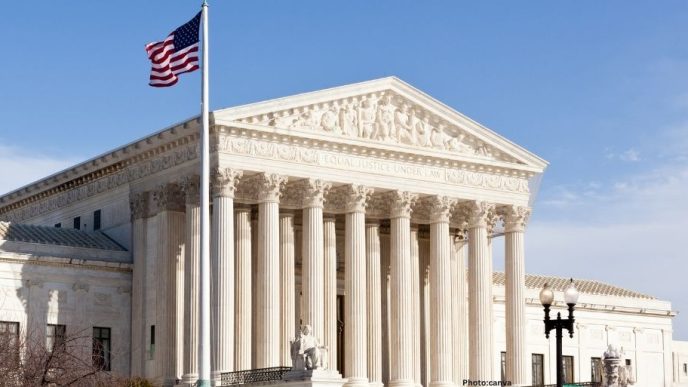
The legal battle has attracted significant backing from a diverse coalition of press freedom advocates and over a dozen news organizations. This coalition, which includes the Reporters Committee for Freedom of the Press, Reuters, the Washington Post, and Fox News, filed a legal brief supporting the three news outlets. Their brief argues that “stripping journalists and news outlets of their rights because of perceived editorial viewpoint violates decades of Supreme Court jurisprudence.”
The involvement of these organizations underscores the broader implications of the case for press freedom in the United States. The coalition contends that access to the White House should not be contingent upon a news organization’s editorial viewpoint, as this could undermine the fundamental principles that underpin a free and independent press.
Legal and Political Implications
The ongoing legal proceedings highlight significant tensions between the Trump administration and specific media outlets. More importantly, the case raises critical questions about journalists’ rights and the extent of federal authority over press access. The Justice Department’s assertion that access to the White House is a privilege rather than a right has sparked debate among legal scholars and advocates for press freedom, who caution that such a stance could erode journalistic integrity and government accountability.
Legal experts will be closely monitoring the developments in this case, as its outcome could significantly influence future interactions between the government and the media—particularly regarding access to information and the protection of journalistic freedoms. The implications of this case extend beyond the immediate dispute over press passes, potentially shaping the landscape of press freedoms in an era marked by increasing scrutiny and polarization in news coverage.
Broader Context of Press Freedom
This incident occurs amid a broader national conversation about press freedom, particularly under the Trump administration, which has frequently criticized media outlets that it views as adversarial. The administration’s approach to the media, characterized by accusations of “fake news,” has raised alarms among press advocates who worry about the implications for free speech and journalistic independence.
Historically, the relationship between the U.S. government and the press has been contentious, with various administrations attempting to regulate or control media narratives. However, the judiciary has consistently upheld the principle that a free press is essential to a functioning democracy. The current case against the Trump administration could serve as a critical test of these principles and the judiciary’s role in safeguarding them.
As the case progresses, it is expected that further arguments will be made regarding the balance of power between the executive branch and the press. The outcome not only holds implications for the involved news organizations but also for the broader media landscape in terms of how journalists are treated and the rights they possess when covering the federal government.