The U.S. Supreme Court has reinstated the Systematic Alien Verification for Entitlements (SAVE) program, allowing the Department of Homeland Security to verify voter citizenship status, despite concerns over its accuracy and potential impact on eligible voters.
The U.S. Supreme Court has reinstated a federal data system known as the Systematic Alien Verification for Entitlements (SAVE), a program that has been at the center of a contentious debate regarding voter verification and electoral integrity. The ruling, issued on Friday, allows the Department of Homeland Security (DHS) to utilize this tool to check the citizenship status of millions of Americans registered on state voter rolls, a move that has raised concerns over the potential disenfranchisement of eligible voters.
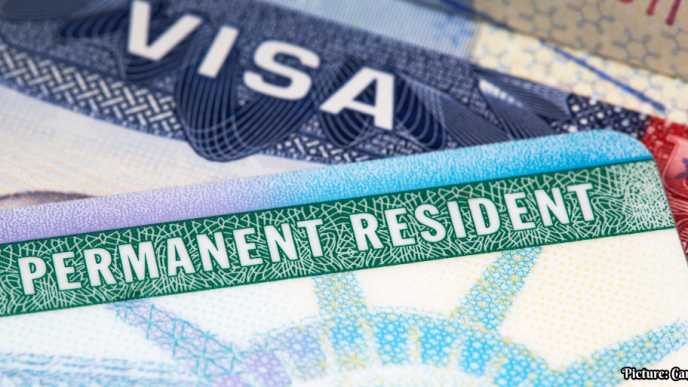
The SAVE system, originally designed to verify the immigration status of individuals applying for public benefits, underwent significant revisions last year under the Trump administration. These revisions enabled the system to link with Social Security Administration records, thereby expanding its scope to include checks on registered voters and allowing states to upload entire voter rolls for verification purposes. This expansion resulted in tens of millions of voter records being processed through SAVE before its use was halted by a federal judge in June.
Background of the SAVE Program
Created over 40 years ago, SAVE was initially intended to ensure that noncitizens did not receive public benefits. However, its recent overhaul has transformed it into a controversial tool for voter verification, prompting legal challenges from various advocacy groups concerned about its implications for voter rights. The system has been criticized for erroneously flagging eligible voters as potential noncitizens, which poses a risk of unjustly removing them from voter rolls.
In June, U.S. District Judge Sparkle Sooknanan issued a ruling that blocked the use of the modified SAVE system, citing violations of the Privacy Act, the Social Security Act, and the Administrative Procedures Act. She expressed concern that the federal government’s actions were infringing on the privacy rights of American citizens and jeopardizing their fundamental right to vote. Following this ruling, U.S. Solicitor General D. John Sauer appealed to the Supreme Court, arguing that the lower court’s decision hindered the government’s ability to maintain the integrity of federal elections.
Supreme Court Ruling
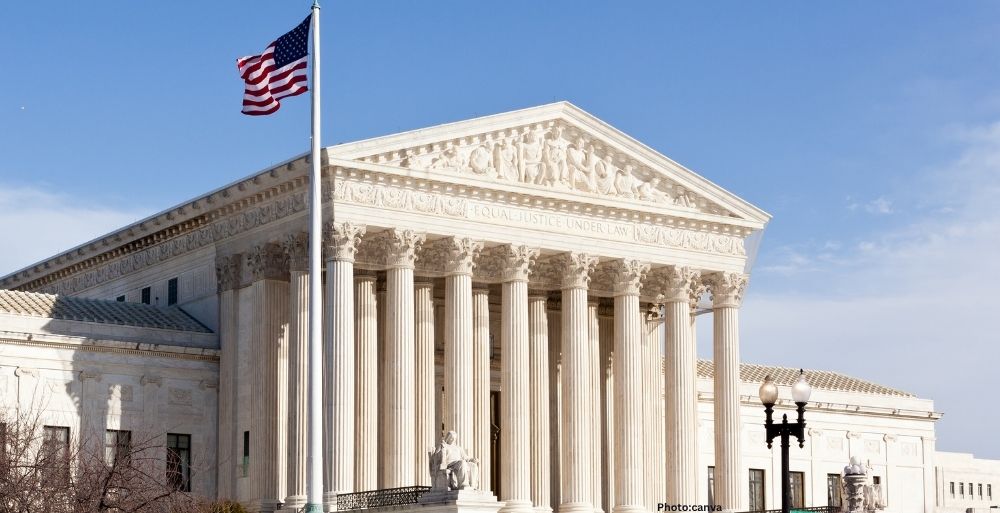
In a 5-4 decision, the Supreme Court sided with the Trump administration, stating that the lower court’s order restricted the federal government’s capability to perform individualized inquiries concerning voter eligibility. The majority opinion emphasized that federal law permits such inquiries during the 90 days leading up to an election. The ruling allows the DHS to resume its efforts to identify noncitizens on state voter rolls, which the administration argues is necessary to uphold electoral integrity.
Justice Ketanji Brown Jackson, who authored the dissenting opinion, highlighted the potential harms of allowing the modified SAVE system to operate. She noted that the majority’s decision disregarded the risks associated with incorrect flagging of eligible voters, particularly those who may have recently naturalized. Jackson argued that the decision could lead to wrongful cancellations of voter registrations and unnecessary burdens on citizens to prove their eligibility at the polls.
Responses from Advocacy Groups
Various organizations, including the League of Women Voters and the Electronic Privacy Information Center, have expressed profound disappointment with the Supreme Court’s ruling. In a joint statement, they referred to the decision as a significant threat to the voting and privacy rights of millions of Americans. They emphasized that their legal challenge against the SAVE program is ongoing, and they remain committed to advocating for the protection of citizens’ rights in the electoral process.
The advocacy groups also pointed to the lack of transparency regarding the SAVE system’s error rate, which remains undisclosed. They raised concerns over how many eligible voters may have been incorrectly flagged or disenfranchised due to the system’s inaccuracies. The groups maintain that the government has not provided adequate oversight or accountability regarding the implementation of this data verification process.
Implications for Upcoming Elections
With the midterm elections approaching, the implications of the Supreme Court’s decision on voter verification and registration processes are significant. Federal law prohibits states from systematically removing voters from rolls within 90 days of a federal election, creating a challenging legal landscape. The Trump administration and Republican officials argue that this statute does not apply to the removal of noncitizens who may be improperly registered.
As Election Day nears, the administration’s plans to utilize the expanded SAVE system could lead to renewed scrutiny of registered voters. An executive order signed by President Trump in March called for the creation of state-by-state lists of adult U.S. citizens, relying on SAVE data and other federal records. Although the deadline for completing these lists has passed, federal officials have indicated that work on the project continues amidst ongoing legal challenges.
Concerns remain about the potential for eligible voters to be erroneously flagged or removed from voter rolls, as demonstrated by previous instances in states like Texas, where thousands of voters were wrongfully identified as noncitizens. As the legal landscape evolves, the intersection of voter rights, data privacy, and electoral integrity continues to be a focal point of national discussion.