At a state dinner for Chinese President Xi Jinping, top tech executives, including Meta’s Mark Zuckerberg, expressed contrasting views on the need for industry collaboration to address AI safety concerns, as calls for regulatory frameworks intensify globally.
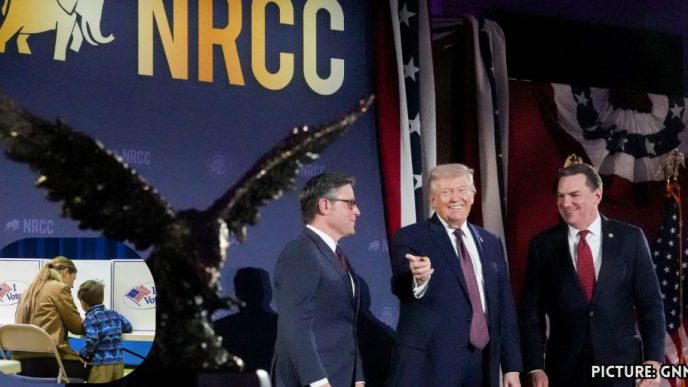
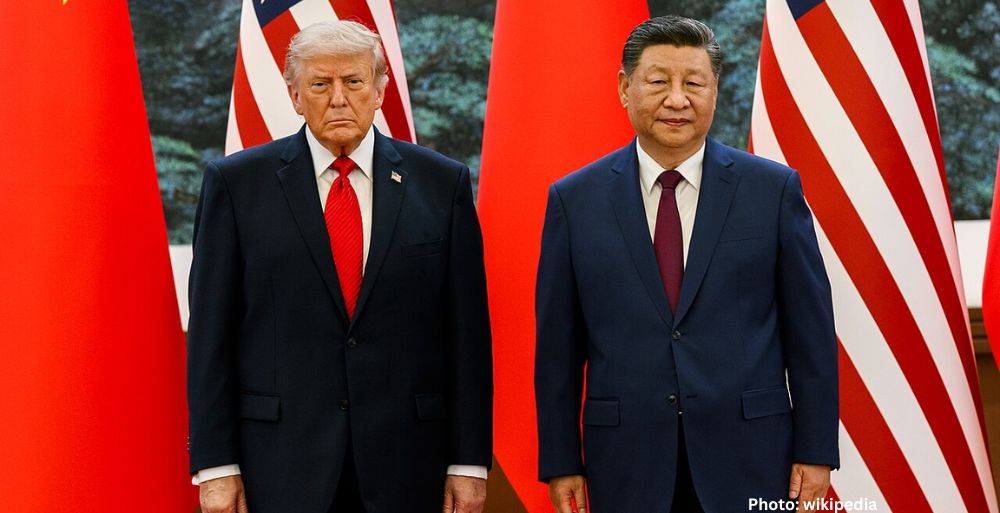
WASHINGTON, D.C. — On Thursday evening, the White House hosted a state dinner for Chinese President Xi Jinping, attended by leading figures in the technology sector, including Meta CEO Mark Zuckerberg. This high-profile gathering underscored the intricate relationship between technological innovation and international diplomacy, particularly as discussions surrounding the regulation and safety of artificial intelligence (AI) gain momentum.
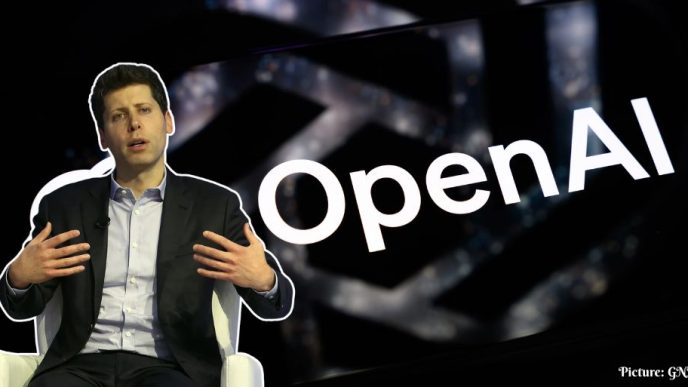
During the event, Zuckerberg articulated a contentious viewpoint regarding the necessity for tech companies to work together on safety measures to mitigate the risks associated with advanced AI technologies. In an interview preceding the dinner, he remarked, “I think that there’s a lot of rhetoric that is filled with doom, and my view is that there are a number of labs that are working on building advanced AI, and I don’t think that we need some kind of industry-wide coordination to not necessarily mess this up.” This perspective starkly contrasts with sentiments expressed by several of his counterparts in the AI sector, including OpenAI CEO Sam Altman, who have been advocating for enhanced oversight and regulatory measures.
Context of the Dinner and the Growing Call for AI Regulation
The state dinner took place against a backdrop of escalating discussions about AI regulation across the globe. Prominent figures in the tech industry, including representatives from companies like OpenAI and Anthropic, have been vocal in their calls for policymakers to establish robust frameworks that govern the development and deployment of AI technologies. They warn that, without appropriate governance, AI could pose significant risks to humanity. At a recent United Nations gathering, Altman stated, “If managed poorly, I even believe AI could be a risk to humanity as a whole.”
Zuckerberg’s comments suggest a belief that individual companies can effectively manage AI safety through internal processes without necessitating a coordinated approach. His stance raises important questions about the future of AI governance and the ethical responsibilities of tech companies regarding the technologies they create and deploy.
Implications for AI Policy and Public Sentiment
The divergent views on AI safety articulated by industry leaders like Zuckerberg and Altman have profound implications for the future of AI policy. As AI technologies continue to advance and become more integrated into daily life, the urgency for regulatory frameworks becomes increasingly apparent. Senators, including Elizabeth Warren, have echoed this sentiment, emphasizing that government intervention is crucial. Warren stated, “We can’t trust AI companies to regulate themselves. It’s time for Congress to start taking AI seriously and put safeguards in place to protect Americans.” Her remarks mirror a growing consensus among policymakers that legislative oversight is essential to address the potential harms posed by AI.
The public’s interest in AI products is also on the rise, notably with the recent launch of Meta’s AI personal assistant, Muse. Designed to assist users with a variety of tasks, from trip planning to financial guidance, Muse represents a significant step in the conversation about the role of AI in society and the ethical considerations surrounding its use. This surge in AI adoption further complicates the regulatory landscape, as consumers increasingly interact with AI technologies in their daily lives.
The Path Forward: Navigating the Regulatory Landscape
As the state dinner concluded, discussions regarding AI safety and regulation are expected to continue shaping the political landscape in the coming months. The contrasting perspectives of influential figures like Zuckerberg and Altman illustrate the challenges of navigating rapid technological advancements that offer both significant benefits and potential dangers.
In response to these ongoing debates, the U.S. government is anticipated to engage more deeply with industry stakeholders to explore the implications of AI on society and the economy. For instance, the Trump administration is set to launch an AI-powered website designed to assist citizens in navigating federal resources, showcasing the intersection of technology and governance as a pivotal area of national discourse.
As the political environment shifts, the challenge will lie in finding a balance between fostering innovation and ensuring safety. Policymakers will need to address the concerns raised by advocates for responsible AI development while also considering the perspectives of industry leaders who emphasize the importance of self-regulation. The outcomes of these discussions will likely play a crucial role in determining the future trajectory of AI technologies and their integration into various sectors of society.
In summary, the state dinner for President Xi Jinping not only served as a platform for diplomatic engagement but also highlighted the pressing need for coherent discussions about the safe and ethical development of AI. As the world increasingly grapples with the implications of this transformative technology, the convergence of government regulation, industry practices, and public perceptions will undoubtedly shape the future landscape of artificial intelligence.