The debate over daylight saving time continues as Congress considers potential changes that could affect millions of Americans. As clocks are set to fall back on November 1, 2026, the legislative landscape remains uncertain regarding the future of this biannual practice.
On November 1, 2026, Americans will once again engage in the ritual of setting their clocks back one hour as daylight saving time (DST) officially concludes for the year. This change, which occurs on the first Sunday in November, allows individuals to gain an extra hour of sleep, signaling the transition into a season characterized by shorter daylight hours. However, the debate surrounding the permanence of this time adjustment continues to unfold in Congress, raising questions about the future of DST in the United States.
The Mechanics of Daylight Saving Time
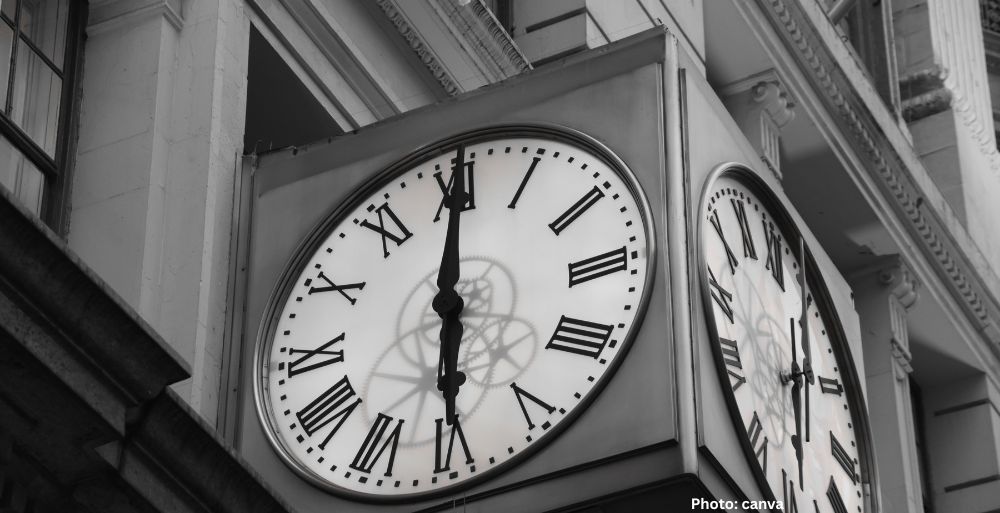
Daylight saving time was first implemented in the United States during World War I as a method to conserve energy by maximizing the use of natural daylight. The practice mandates that clocks move forward by one hour in the spring and revert back in the fall. For the upcoming change on November 1, clocks are set to fall back from 2 a.m. to 1 a.m., allowing for longer evenings as the days shorten with the arrival of winter.
In today’s digital age, most electronic devices, such as smartphones and computers, automatically adjust to the time change. However, traditional clocks—such as those in vehicles and various household appliances—often require manual adjustments. Some individuals humorously choose to leave certain devices perpetually set to 12:00 as a nod to the inconvenience of these adjustments.
Legislative Movements and Congressional Debate
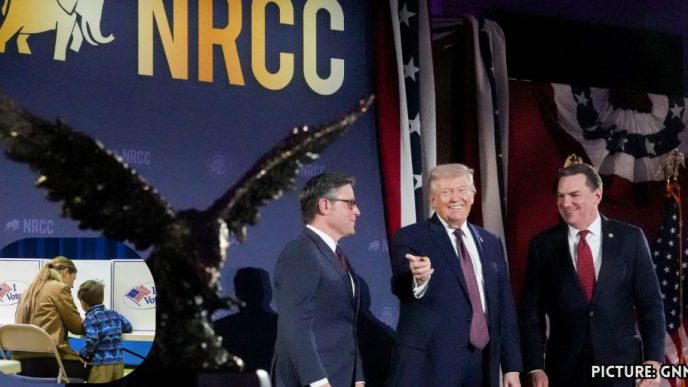
The conversation about daylight saving time has gained notable traction in recent years, particularly following President Donald Trump’s public support for eliminating the twice-yearly clock change. Trump has urged Congress to swiftly consider legislation that would allow states to adopt a permanent time standard. Currently, while states can opt out of observing DST, they lack the authority to maintain it year-round without federal approval.
In July 2025, the House of Representatives passed the Sunshine Protection Act, a bill aimed at permanently adopting daylight saving time across the nation. Despite this legislative advancement, the Senate has yet to schedule a vote on the measure, leaving its fate uncertain. Trump’s push for action emphasizes a desire for a more consistent approach to timekeeping that could alleviate the disruptions caused by biannual clock changes.
State-Level Observance of Daylight Saving Time
Mississippi, situated in the Central time zone, observes daylight saving time along with most states in the U.S. It is among 19 states that have expressed a willingness to adopt DST permanently if granted the option to do so independently. Notably, Hawaii and most of Arizona do not observe DST, with the Navajo Nation being an exception in Arizona. This variation underscores regional differences in attitudes toward the time change and its perceived benefits or drawbacks.
Historical Context and Public Sentiment
The implementation and continuation of daylight saving time have not been without controversy. A significant attempt to maintain year-round daylight saving time in 1974 was met with resistance from parents concerned about children’s safety while traveling to school in the dark winter mornings, leading to heightened fears of vehicle accidents. This initiative ultimately failed, highlighting the complexities and challenges inherent in legislating time policy.
Clarifying Daylight Saving Time Terminology
As discussions around daylight saving time continue to evolve, it is important to clarify the terminology associated with this practice. The correct term is “daylight saving time,” although many people colloquially refer to it as “daylight savings time.” Looking ahead, daylight saving time is scheduled to resume on March 14, 2027, when clocks will “spring forward” an hour, marking the beginning of the longer daylight period.
Implications for American Society
The ongoing conversation surrounding daylight saving time reflects broader societal considerations, including discussions about work-life balance, energy consumption, health impacts, and public safety. Proponents of eliminating the clock change argue that it could lead to more consistent sleep patterns and enhance overall public well-being, while critics caution against potential unintended consequences of such a shift.
As more states and citizens weigh the pros and cons of the biannual time changes, the future of daylight saving time may ultimately hinge on legislative action, public sentiment, and the pursuit of a standardized approach to timekeeping that accommodates a diverse population. As Congress deliberates on this issue, Americans are encouraged to prepare for the upcoming clock change this fall while remaining informed about potential shifts in timekeeping practices that could alter a tradition that has persisted for over a century.
In conclusion, the future of daylight saving time remains uncertain as the clock ticks toward the next time change. With legislative discussions ongoing, the outcome may shape how Americans experience time in their daily lives, influencing everything from work schedules to leisure activities as society adapts to the changing rhythms of daylight.