The reopening of the Strait of Hormuz by Iran, following a 10-day ceasefire in the conflict in Lebanon, has triggered significant shifts in global oil prices and financial markets, raising critical questions about the future of U.S.-Iran relations and regional stability.
TEHRAN, Iran — On April 17, 2026, Iranian Foreign Minister Abbas Araghchi announced that the Strait of Hormuz is “completely open” for all commercial vessels, a move that follows a ceasefire agreement in the ongoing conflict in Lebanon. This declaration marks a pivotal moment in regional dynamics, particularly given that approximately 20% of the world’s oil and liquefied natural gas transits through this crucial waterway.
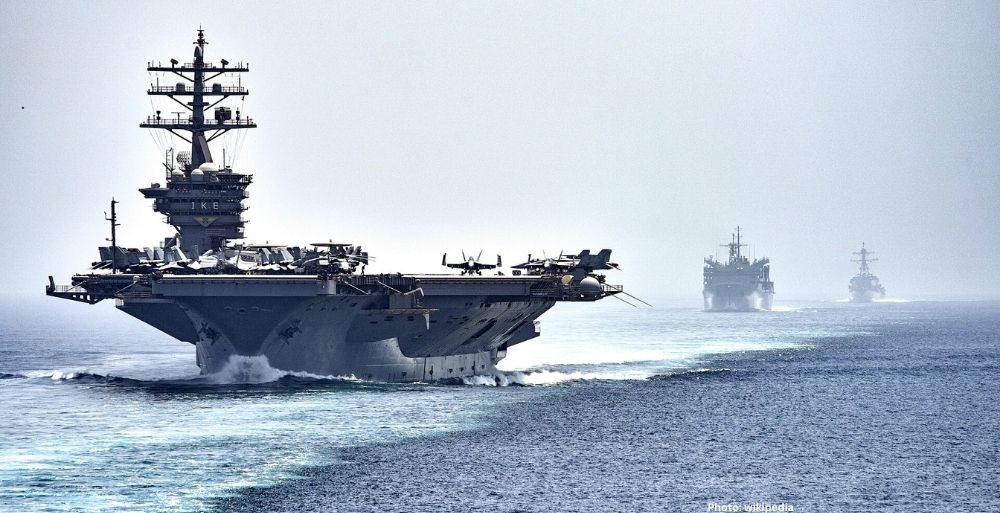
The announcement was corroborated by U.S. President Donald Trump, who confirmed that while the strait is now fully operational for commercial shipping, the U.S. blockade of Iran will remain in place until a comprehensive agreement is reached to end hostilities. Trump emphasized this point on his social media platform, Truth Social, stating emphatically, “The Strait of Hormuz is completely open and ready for business… but the naval blockade will remain in full force and effect as it pertains to Iran.”
Background of the Conflict
The backdrop to this development involves the U.S.-Israeli military operations that began on February 28, which have led to thousands of casualties and substantial destabilization across the Middle East. The conflict had severely restricted maritime traffic in the Strait of Hormuz, raising alarms about a potential oil supply shock that could have catastrophic ramifications for the global economy. The strait is a critical artery for oil transportation, making its closure a significant concern for energy markets worldwide.
Conditions for Maritime Transit
Despite the announcement that the strait is open, Iranian officials have clarified that all maritime activity must receive approval from Iran’s Islamic Revolutionary Guard Corps (IRGC). A senior Iranian representative informed Reuters that while commercial vessels could navigate the strait, adherence to Iranian safety protocols is mandatory. Military vessels, however, remain prohibited from crossing, highlighting ongoing complexities in maritime security in the region.
Araghchi’s remarks come amidst a broader narrative of potential peace negotiations, with Trump expressing optimism that a deal to resolve the Iran conflict could occur “soon,” although specifics about the timeline remain ambiguous. The Iranian official indicated that certain transit routes would be designated as safe by Iran, suggesting that tensions persist and that vigilance in maritime operations will be necessary.
Market Reactions and Economic Implications
The global markets reacted swiftly to the news of the Strait of Hormuz’s reopening. Oil prices fell dramatically, with West Texas Intermediate (WTI) crude dropping by 10.8% to approximately $81.28 per barrel, while Brent crude fell by 10.3% to $89.13. This marked decline signals a market correction as fears of supply disruptions diminish. However, analysts caution that current prices still reflect a residual “war premium,” with Brent remaining about $19 per barrel above pre-war levels of around $70.
The stock market experienced a notable upsurge, with the S&P 500 gaining over 11% from its late-March lows, driven by investor optimism surrounding the reopening of the Strait and the potential for de-escalation in the Iran conflict. Additionally, the sharp decline in oil prices has contributed to easing inflationary pressures, as evidenced by a drop in the 10-year U.S. Treasury yield from 4.32% to 4.24%.
International Economic Forecasts
In light of these developments, the International Monetary Fund (IMF) has revised its global growth forecasts downward, warning that the prolonged conflict risks pushing the global economy toward recession. The interconnected nature of global markets means that fluctuations in oil prices can have far-reaching effects on economic stability and inflation rates worldwide. The IMF’s caution underscores the significance of geopolitical stability in ensuring sustained economic growth.
As Trump indicated the possibility of diplomatic talks occurring as soon as the upcoming weekend, logistical challenges remain in gathering officials in Islamabad, Pakistan, where discussions are expected to take place. The uncertainty surrounding these negotiations adds another layer of complexity to the evolving situation.
Implications for U.S.-Iran Relations
The implications of the Strait’s reopening and the ceasefire extend beyond immediate economic concerns and touch on the broader geopolitical landscape. The U.S. has maintained a policy of sanctions against Iran, with the ongoing blockade serving as a tool to exert pressure on Tehran to negotiate terms regarding its nuclear program and regional activities.
While the recent developments suggest a potential thaw in tensions, the reality remains fraught with uncertainties. The IRGC’s involvement in regulating maritime traffic highlights the Iranian government’s ongoing commitment to assert control over its territorial waters, which could lead to future confrontations if not managed carefully.
Conclusion
In summary, the reopening of the Strait of Hormuz amid a fragile ceasefire represents a significant turning point in Middle Eastern geopolitics, with substantial implications for global oil markets and international relations. As stakeholders navigate this new landscape, the potential for both conflict and cooperation remains, underscoring the critical importance of continued diplomatic efforts to ensure stability in the region. The path forward will require careful negotiation and a commitment to dialogue, as the stakes are high for both regional actors and the global economy.