A proposed negotiation between the U.S. and Iran could see the release of $20 billion in frozen Iranian assets in exchange for Iran’s commitment to relinquish its enriched uranium stockpile, as talks continue in Islamabad.
The United States and Iran are engaged in negotiations that may lead to an agreement involving the release of $20 billion in frozen Iranian funds in exchange for Iran dismantling its stockpile of enriched uranium. This development comes as both parties hold discussions on a three-page memorandum of understanding (MOU) aimed at resolving ongoing conflicts and potentially ending hostilities.
According to two U.S. officials and two other sources familiar with the negotiations, the discussions have made steady progress this week, although significant gaps still remain. President Donald Trump indicated on Thursday that U.S. and Iranian negotiators are likely to meet this weekend for a second round of talks, with the meetings anticipated to take place in Islamabad on Sunday.
Significance of the Negotiations
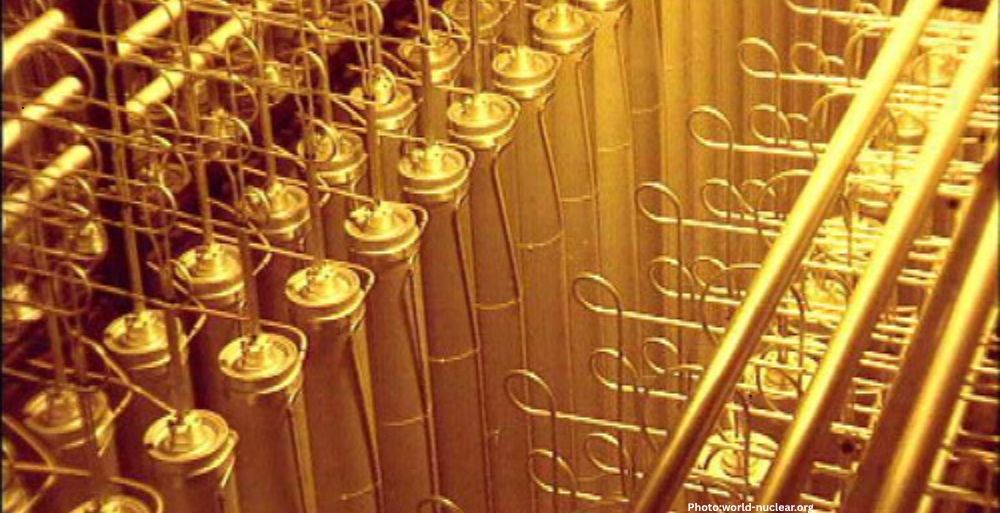
The primary goal of the Trump administration is to ensure that Iran cannot access its substantial stockpile of nearly 2,000 kilograms of enriched uranium, particularly the 450 kilograms that is enriched to levels of 60% purity. Control over these materials is critical given international concerns regarding Iran’s nuclear capabilities.
Iran, on the other hand, faces pressing economic challenges and is seeking to access funds currently frozen due to sanctions. The ongoing negotiations are focused not only on the quantity of funds released but also on the conditions under which Iran could utilize these assets.
Proposed Financial Terms
Earlier in the negotiations, the U.S. had considered unblocking $6 billion for Iran to procure food, medicine, and other humanitarian supplies, but sources indicate that Iran initially demanded $27 billion. The latest figure under discussion is $20 billion, which has been characterized by one U.S. official as a proposal from the American side, while another described the cash-for-uranium concept as merely one of several topics on the table.
As negotiations progress, the U.S. has proposed that Iran ship all of its nuclear material to the U.S., but Iran has only agreed to “down-blend” the material within its own borders. A compromise currently being discussed involves some enriched uranium being transported to a third country while the remainder is down-blended in Iran under international oversight.
Key Elements of the Memorandum of Understanding
The MOU under negotiation also includes a “voluntary” moratorium on nuclear enrichment. The U.S. has demanded a 20-year moratorium, while Iran has countered with a five-year proposal. Mediators are working to bridge this gap. Additionally, the MOU would allow Iran to maintain nuclear research reactors aimed at producing medical isotopes, while stipulating that all nuclear facilities remain above ground and that existing underground facilities be rendered inoperable.
Significant gaps remain regarding other issues, such as the Strait of Hormuz, with the potential inclusion of Iran’s ballistic missile program and its support for regional proxy groups still unclear. These topics have been raised by Israeli officials and Republican hawks in Washington, who have previously criticized the Obama administration for its 2015 nuclear deal that released tens of billions in Iranian funds.
Reactions and Future Developments
In recent comments, U.S. officials have expressed cautious optimism regarding the negotiations. One official stated, “Iran has moved. But not far enough. What it takes to make them move forward, we will see.” This sentiment reflects a broader concern that while Iran is interested in the financial release, it still seeks to maintain its nuclear ambitions and financial independence.
White House spokesperson Anna Kelly emphasized that while talks have been productive, the U.S. would not negotiate through the media, dismissing claims from anonymous sources about the details of the discussions. Senator Lindsey Graham (R-S.C.) indicated that Trump has engaged directly with Iranian officials, suggesting that recent communications have been intense.
President Trump, in remarks following the negotiations, claimed that Iran had agreed to a powerful commitment to refrain from developing nuclear weapons and expressed that the U.S. is “very close” to finalizing a deal. He indicated a willingness to extend the current ceasefire beyond its April 21 expiration date if necessary.
Upcoming Diplomatic Meetings
As the negotiations continue, a quad meeting involving mediators from Pakistan, Egypt, and Turkey is scheduled to take place on Friday, alongside Saudi officials during a diplomatic forum in Turkey. This meeting will focus on the ongoing efforts to broker a comprehensive agreement between the U.S. and Iran.
The outcome of these negotiations holds significant implications not only for U.S.-Iran relations but also for regional stability and international nuclear non-proliferation efforts.