The Indian government has reignited discussions surrounding the Foreign Contribution (Regulation) Amendment Bill, 2026, despite earlier delays prompted by widespread opposition from civil society organizations.
The Indian government is poised to reintroduce the Foreign Contribution (Regulation) Amendment Bill, 2026, during the forthcoming monsoon session of Parliament, as indicated in its legislative agenda. This decision follows a prior postponement during the previous session, which was largely attributed to significant protests led by various civil society organizations, particularly those associated with Christian communities and non-governmental organizations (NGOs). Despite earlier speculation that the government might indefinitely defer or even abandon the Bill, recent developments have clarified that the administration remains steadfast in its intention to pursue the legislation.
Historical Context of Foreign Contributions in India
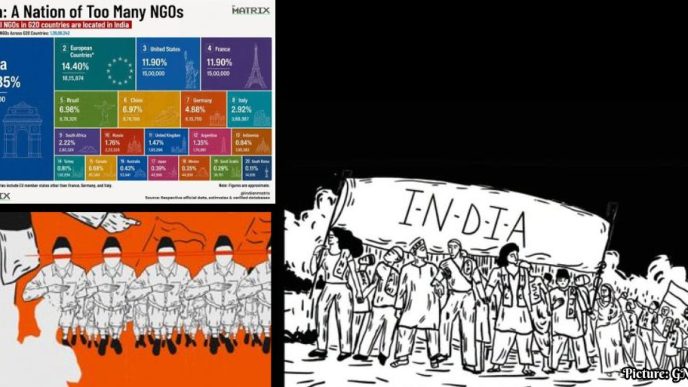
The regulation of foreign contributions in India has long been a contentious issue, marked by debates over national sovereignty and the influence of foreign entities on domestic affairs. The Foreign Contribution (Regulation) Act (FCRA), originally enacted in 1976, was designed to regulate the acceptance and utilization of foreign funds by Indian NGOs to protect national interests. Over the years, the Act has undergone multiple amendments, reflecting shifting governmental attitudes towards foreign funding.
Under the existing framework, foreign contributions are typically permitted to support humanitarian efforts across sectors such as healthcare, education, and environmental conservation. However, the government has increasingly scrutinized the sources and utilization of these funds, citing national security and integrity as paramount concerns. Critics argue that these regulations are often employed to suppress dissent and curtail the operational capacities of civil society organizations, particularly those advocating for marginalized communities.
The Current Legislative Landscape
The reintroduction of the FCRA Bill, 2026, comes at a time when the political climate in India is increasingly polarized. The proposed amendments are expected to impose stricter compliance requirements on NGOs, including enhanced reporting obligations and potential limitations on the types of activities that can be funded by foreign contributions. Such changes could pose significant operational challenges, particularly for smaller organizations that rely heavily on international funding sources.
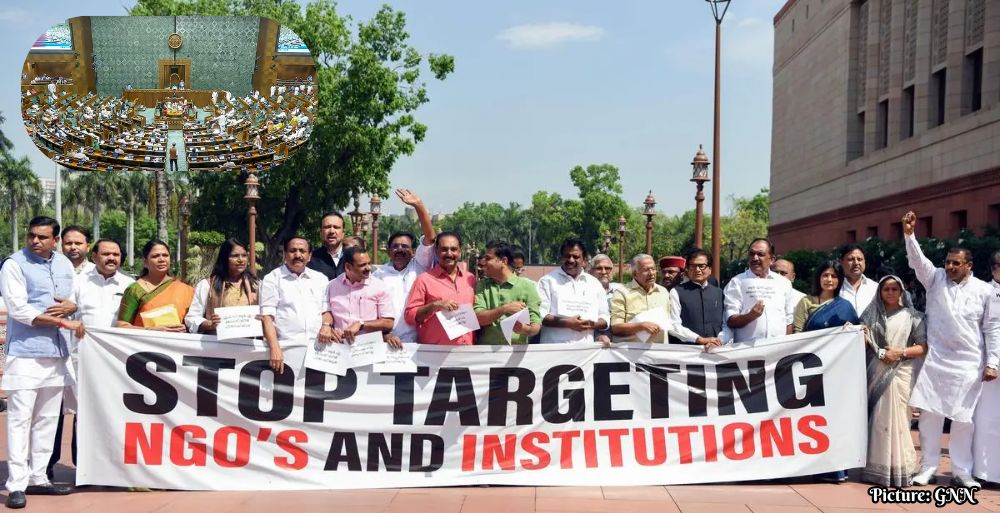
The Bill’s previous postponement in the last parliamentary session was met with widespread protests from civil society groups, which have voiced concerns that the amendments could further restrict their operational freedom and limit their ability to advocate for marginalized populations. Many organizations describe the proposed legislation as a direct threat to civil society, arguing that it seeks to silence dissenting voices that challenge the government’s policies.
Government’s Position and Justifications
In response to the backlash, government officials have defended the FCRA Bill, asserting that its primary goal is to enhance transparency and accountability in the management of foreign funds. They argue that the regulatory changes are essential for safeguarding India’s national interests and ensuring that contributions genuinely support developmental goals. The government has emphasized its commitment to facilitating legitimate contributions while preventing the misuse of foreign funds, framing the Bill as a necessary measure for national security.
Supporters of the Bill contend that it will help to weed out dubious foreign funding sources, which they claim could potentially undermine India’s sovereignty and democratic processes. They further argue that the amendments will assist in creating a more transparent funding environment for NGOs operating in India.
Implications for Civil Society and Future Prospects
The revival of the FCRA Bill raises critical questions regarding the future of civil society organizations in India. If passed as proposed, the legislation could significantly alter the operational landscape for NGOs, particularly those reliant on foreign funding. The potential imposition of more stringent compliance requirements may disproportionately affect smaller organizations that lack the resources to navigate complex bureaucratic processes.
Advocates for civil society express concern that these regulatory hurdles may stifle advocacy efforts, thereby diminishing the capacity of NGOs to hold the government accountable and represent diverse interests within Indian society. The chilling effect on civil activism could lead to a decline in public discourse, ultimately impacting democratic engagement and civic participation.
Public Opinion and Political Dynamics
As the monsoon session approaches, the fate of the Foreign Contribution (Regulation) Amendment Bill, 2026, remains uncertain. While the government appears committed to advancing the Bill, the persistent opposition from civil society suggests that significant public backlash may ensue if the amendments are perceived as overly restrictive. This dynamic highlights the broader tensions between governmental authority and civic engagement in India.
The ongoing discourse surrounding the FCRA Bill illustrates the challenges faced by civil society in an increasingly regulated environment. The implications of this legislation extend beyond the operational capacities of NGOs; they reflect the broader political landscape in India, characterized by a struggle for agency among civil society actors in the face of governmental oversight.
Conclusion
In conclusion, the reintroduction of the Foreign Contribution (Regulation) Amendment Bill, 2026, marks a significant moment in the ongoing debate over foreign funding and civil society’s role in India. As discussions unfold in Parliament, the outcomes of this legislative effort will not only shape the operational realities for NGOs but will also influence the future of democratic engagement in the country. The balance between regulatory oversight and the freedom of civil society to operate independently remains a critical issue that will require careful scrutiny as the Bill advances through the legislative process.