The Indian government has proposed a Bill in the Lok Sabha to permanently increase the sanctioned strength of judges in the Supreme Court, addressing the significant backlog of cases that has accumulated over recent years.
The Union government of India introduced a new Bill in the Lok Sabha on Monday, aimed at replacing an existing ordinance that temporarily increased the sanctioned strength of judges in the Supreme Court from 34 to 38. This legislative move is a direct response to the growing concerns surrounding the backlog of cases within the Indian judiciary, an issue that has reached critical levels.
Details of the Proposed Legislation
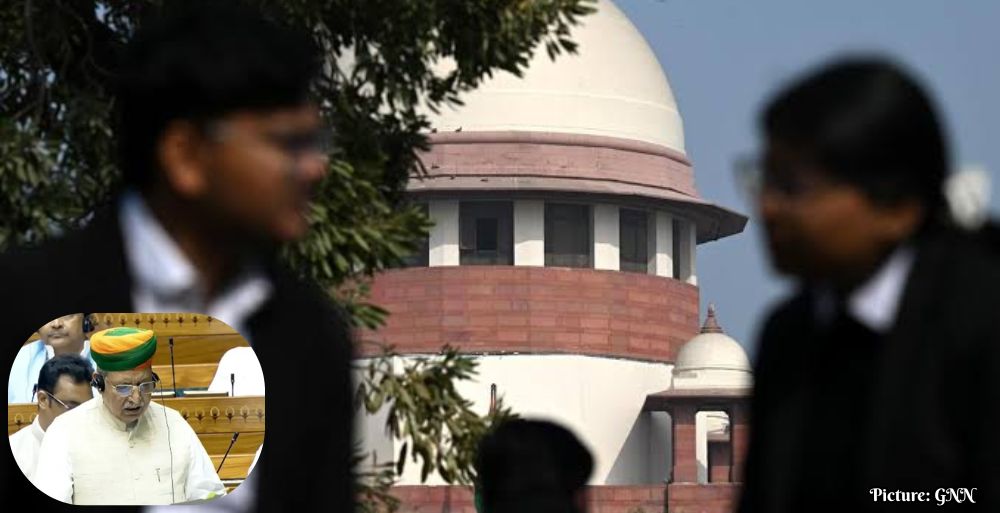
The Bill, formally titled the Supreme Court (Number of Judges) Amendment Bill, seeks to supersede the Supreme Court (Number of Judges) Amendment Ordinance, which was promulgated in May 2026. This ordinance had previously elevated the sanctioned strength of the Supreme Court from 33 to 37 judges, excluding the Chief Justice of India. Union Law Minister Arjun Ram Meghwal presented the Bill amid protests from opposition members who voiced their concerns over various issues, including allegations related to the National Eligibility cum Entrance Test (NEET) examination and claims of misappropriation of donations for the Ram Temple in Ayodhya.
Rationale Behind the Increase
The statement of objects and reasons accompanying the Bill highlights a staggering figure: as of January 1, 2026, there were 92,101 pending cases before the Supreme Court. This substantial backlog underscores the urgent need to expand the court’s judicial strength. Since 2019, the Supreme Court has been operating with nearly its full sanctioned strength of 34 judges. However, the filing of new cases has consistently outpaced the number of cases resolved. In the year 2025 alone, the court recorded 75,410 new cases while disposing of only 65,615 matters, thereby exacerbating the existing backlog.
The Bill articulates that the persistent gap between the number of cases filed and those disposed has rendered docket management increasingly challenging. This is particularly true for older cases and those requiring adjudication by larger benches. The government contends that increasing the number of judges is one of the most effective methods to alleviate the backlog, thereby enhancing judicial efficiency and access to justice.
Financial Considerations
Accompanying the Bill is a Financial Memorandum that outlines the projected costs associated with the creation of four additional judges’ posts, along with the necessary supporting staff. The annual recurring expenditure for this expansion is estimated to be around ₹10.56 crore (approximately $1.27 million). Furthermore, a one-time expenditure of approximately ₹3.47 crore (about $420,000) is anticipated for expenses such as official vehicles, furnishing of residences, and other related costs, resulting in a total initial expenditure of about ₹14.04 crore (roughly $1.69 million).
Historical Context of Judicial Backlog
The move to increase the number of judges in the Supreme Court is part of a broader trend aimed at addressing the increasing workload faced by the Indian judiciary. Over the years, the Supreme Court has been inundated with rising numbers of cases, leading to significant delays in the delivery of justice. This situation has raised public concern and sparked calls for systemic reforms within the judicial framework. Advocates for judicial reform have argued that addressing the backlog is critical not only for the efficient functioning of the judiciary but also for ensuring that citizens have timely access to justice.
Political Responses and Implications
While the government’s initiative to expand the number of judges aims to tackle the backlog of cases, it has been met with skepticism from opposition parties. Critics argue that simply increasing the number of judges does not address the systemic issues plaguing the judiciary, such as procedural inefficiencies and the need for enhanced training and resources for existing judges. As the legislative process unfolds, the implications of this Bill will be closely scrutinized by legal experts, policymakers, and the general public.
The successful passage and implementation of the Bill could potentially lead to a more efficient judicial system capable of addressing the pressing challenges posed by an ever-growing case load. However, it remains to be seen whether this measure will fully resolve the underlying issues that contribute to judicial delays.
Conclusion
The introduction of the Supreme Court (Number of Judges) Amendment Bill reflects a proactive approach by the Indian government to strengthen the judiciary and improve access to justice in a landscape increasingly burdened by legal disputes. As the judiciary grapples with a significant backlog, the proposed increase in judicial strength aims to enhance the court’s capacity to handle cases more effectively, thereby reinforcing public confidence in the legal system.