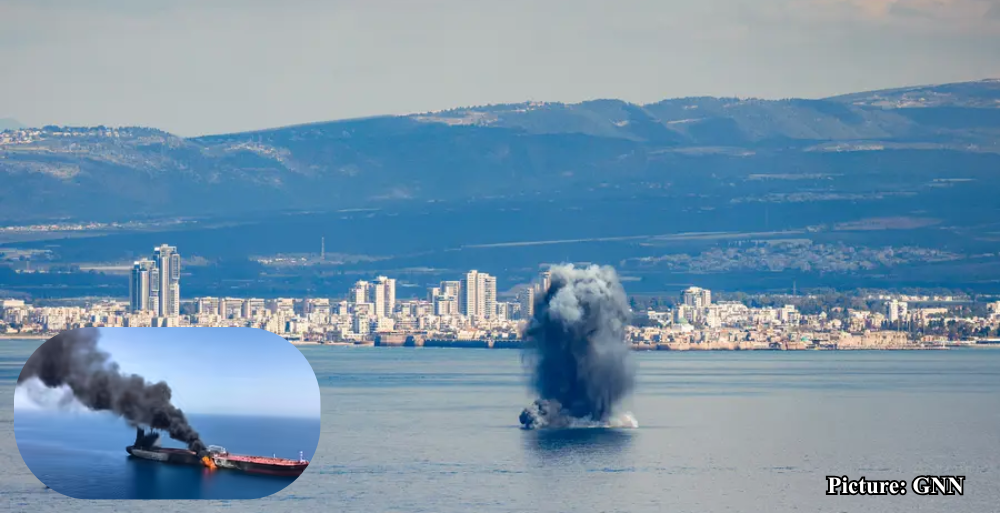
The ongoing geopolitical tensions in the Strait of Hormuz are causing significant discrepancies in global oil supply forecasts, prompting energy analysts to adjust their projections for 2026 and 2027.
The global energy sector is currently experiencing a state of flux as leading market research organizations revise their oil supply forecasts for the years 2026 and 2027. This recalibration has been spurred by ongoing geopolitical tensions in the Strait of Hormuz, a critical chokepoint through which approximately 20% of the world’s oil supply is transported. The U.S. Energy Information Administration (EIA) has adopted a notably conservative stance in its outlook compared to the International Energy Agency (IEA) and Bloomberg New Energy Finance (BNEF).
In their June updates, the IEA and BNEF narrowed their projections for supply deficits in 2026 to 900,000 barrels per day (b/d) and 500,000 b/d, respectively. This is a significant adjustment from their earlier estimates, which forecasted a 2 million b/d shortfall just a month prior. Meanwhile, the EIA has maintained that it does not anticipate a recovery in oil production from the region to pre-war levels until early 2027. The agency also predicts that global oil inventories will decline by an average of 7.6 million b/d in the third quarter of 2026, indicating a tighter supply situation.
Understanding the Divergent Outlooks
The contrasting forecasts from these organizations reflect the complexities and uncertainties that currently define the energy markets. While the IEA and BNEF have shown a more optimistic adjustment in their predictions, the EIA’s more cautious approach highlights the potential risks associated with the geopolitical landscape in the region.
The monthly Reuters poll on oil price projections has also reflected this shifting landscape, with the average forecast for Brent crude prices in 2026 dropping to $84.5 per barrel, a decrease of $6 from May. This decline suggests that the analytical community is grappling with significant uncertainty regarding the future actions of both the United States and Iran, two key players whose decisions can heavily influence oil market dynamics.
Potential Impacts on Consumers and Producers
The implications of these forecasts are far-reaching, affecting stakeholders across the energy spectrum. A projected supply shortfall could lead to higher oil prices, which in turn would increase consumer gasoline prices and operational costs for businesses reliant on oil. Conversely, should the market trend toward a supply glut in 2027, as some analysts predict, this could result in lower prices and increased competition among oil producers.
Analysts are particularly concerned about the geopolitical situation in the Strait of Hormuz. Any disruptions in this area—whether due to military conflict, sanctions, or other forms of geopolitical strife—could have immediate and severe consequences for global oil supply and pricing. The region’s instability underscores the interconnected nature of geopolitics and energy markets, as evidenced by the recent fluctuations in supply forecasts.
Future Trends in Energy Supply
Looking ahead, it is clear that energy analysts must remain agile as they navigate the complexities of the global oil market. The disparities in forecasts underscore the challenges faced by forecasters in an environment characterized by rapid changes and unpredictability. Analysts will likely continue to adjust their models in response to new information, particularly regarding geopolitical developments and production levels in key oil-producing nations.
For instance, should tensions escalate in the Strait of Hormuz, the energy market could quickly shift from a state of anticipated supply shortage to one of significant disruption, leading to price spikes. Conversely, if diplomatic solutions are found that stabilize the region, there may be a swift recovery in supply that could benefit consumers.
The energy sector is also experiencing shifts in demand, influenced by broader trends such as the global transition toward renewable energy sources and the ongoing impacts of climate policy. As countries invest in cleaner technologies, the long-term demand for oil may fluctuate, adding another layer of complexity to forecasting efforts.
Conclusion: A Landscape of Uncertainty
In conclusion, the current state of oil supply forecasts reflects a broader uncertainty within the energy sector. As organizations like the EIA, IEA, and BNEF provide their assessments, the divergent outlooks serve as a reminder of the intricate interplay between geopolitics and global energy markets. Stakeholders across the industry must prepare for a range of potential scenarios as they approach 2026, with the hope that clarity will emerge in what has become a guessing game regarding oil supply and pricing. As the geopolitical landscape evolves, the energy sector will need to adapt swiftly to mitigate risks and capitalize on any emerging opportunities.