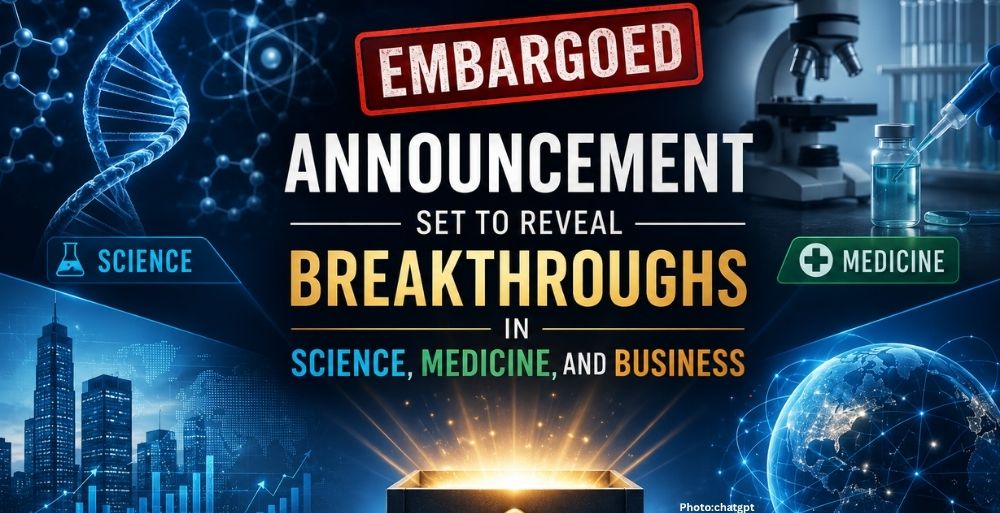
This news release, detailing significant advancements in science, medicine, and business, is set to be unveiled to the public on June 21, 2026, at 9:00 AM EDT, following a strict embargo period.
On June 8, 2026, a news release highlighting groundbreaking developments in the fields of science, medicine, and business was uploaded to a restricted database, with an embargo set to lift on June 21, 2026, at 9:00 AM EDT. This embargoed announcement is notable as it will provide verified journalists with access to critical information that may significantly influence public understanding and policy considerations across multiple sectors.
Understanding the Embargo
The embargo is a journalistic practice that prevents the dissemination of information until a designated time, allowing reporters to prepare their coverage in advance. This structured approach ensures that journalists can adequately analyze the implications of the findings before sharing them with the public. Only verified logged-in journalists can access the details prior to the embargo lift, and professional journalists are required to apply for a PressPass to obtain this pre-release information. This procedure emphasizes the importance of journalistic integrity and the necessity for reliable reporting from credible sources.
Significance of the Upcoming Release
The impending release is expected to have far-reaching implications for stakeholders across scientific research, healthcare policy, and business innovation. As the embargo lifts, the information disclosed could shape public health initiatives, influence funding allocations for scientific research, and inform advancements in business practices that could lead to substantial economic shifts. Notably, the timing of this release coincides with ongoing national and global discussions regarding the role of scientific and medical advancements in addressing pressing societal issues, such as the aftermath of the COVID-19 pandemic and the increasing urgency of climate change.
Contextualizing the Embargo Practice
Embargoes on scientific findings have long been a staple in journalism, particularly for significant research that holds the potential to steer global conversations. Historically, embargoes serve to facilitate a measured dissemination of information, ensuring that journalists have the requisite time to comprehend and accurately report on complex subjects. This practice has been crucial in preserving the integrity of scientific communication, allowing the public to receive informed analyses rather than hasty interpretations. This system aims to balance the need for timely reporting with the intricacies of scientific data, which often requires careful unpacking and explanation.
Challenges and Ethical Considerations
While embargoes can enhance the quality of reporting, they are not without their challenges. Critics argue that such practices may delay the immediate dissemination of vital information, especially in public health crises or urgent scientific breakthroughs. The ongoing debate between the necessity of exclusive access for journalists and the public’s right to timely information raises important questions about media ethics. Journalists must navigate this landscape carefully, balancing their responsibilities to inform the public with the constraints imposed by embargo agreements. Such tensions often lead to discussions on how best to serve the public interest while respecting the agreements made with scientific and medical organizations.
Anticipation and Future Implications
As the June 2026 release date approaches, anticipation is building around the implications of the information that will soon be unveiled. Stakeholders in science, medicine, and business are poised to closely monitor the developments that may arise from this announcement. The information could offer critical insights into future trends, policy shifts, and potential funding opportunities that might emerge in response to the findings presented. Additionally, the disclosures may influence public opinion and guide decision-making at various levels of government and industry.
The Role of Journalists
During the embargo period, journalists play a vital role in preparing to relay this important information to the public in a responsible and informed manner. The expectation is that they will utilize the time afforded by the embargo to conduct thorough research, engage with experts, and ensure that their reporting is both comprehensive and accurate. This preparation time is essential, as it allows journalists to contextualize the information within the broader landscape of ongoing scientific discourse and public policy debates.
Historical Precedents and Future Outlook
The practice of embargoing scientific information has roots dating back decades, reflecting a system designed to ensure that complex data is communicated effectively and responsibly. Past instances, such as the embargo surrounding critical findings on HIV/AIDS or breakthroughs in cancer research, illustrate how timely and accurate reporting can influence both public perception and policy. As society continues to grapple with urgent challenges, the upcoming release promises to contribute significantly to the ongoing dialogue in science, medicine, and business.
Conclusion
As stakeholders await the lifting of the embargo, the upcoming June 2026 news release stands to play a pivotal role in shaping discussions around scientific advancement, healthcare policy, and economic innovation. The careful management of information dissemination, coupled with the ethical considerations surrounding embargo practices, underscores the complexities of modern journalism in the context of scientific progress. The anticipation surrounding this release not only reflects the importance of the information itself but also highlights the critical role of journalists in ensuring that the public receives well-rounded and accurate accounts of developments that may significantly impact future societal outcomes.