The Department of Justice has announced the cessation of its criminal investigation into Federal Reserve Chair Jerome Powell, a decision that may expedite the confirmation process for his proposed successor, Kevin Warsh.
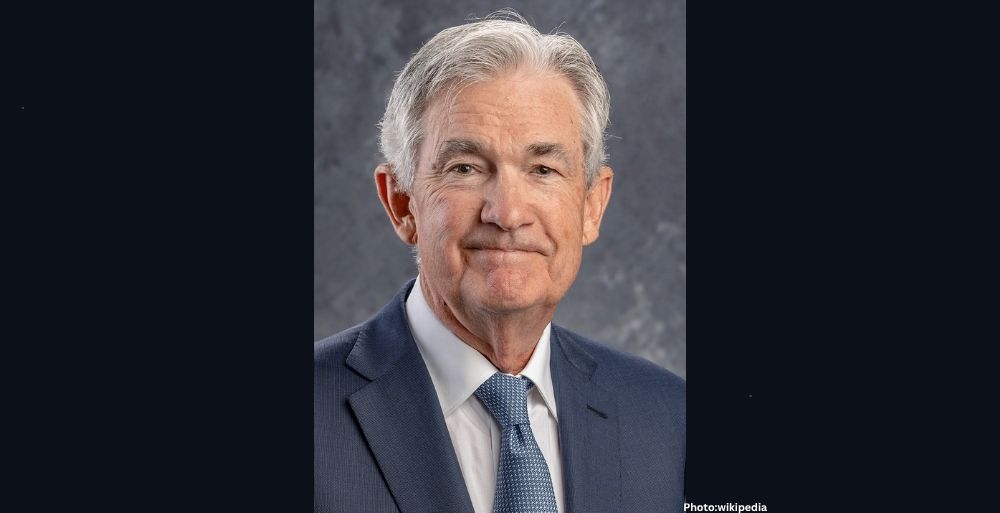
Washington, D.C. — On Friday, the Department of Justice (DOJ) officially announced that it is discontinuing its criminal investigation into Federal Reserve Chair Jerome Powell, primarily concerning his management of renovation projects at the Federal Reserve. This development could significantly facilitate the confirmation of Kevin Warsh, a former Federal Reserve board member nominated by former President Donald Trump to succeed Powell.
The announcement was made by U.S. Attorney Jeanine Pirro for the District of Columbia, who indicated that the DOJ had initiated its criminal inquiry in December 2022. Pirro noted that she had requested the Federal Reserve’s inspector general (IG) to conduct an independent investigation into Powell and the bank’s renovation efforts. She emphasized that the IG is well-equipped to ensure accountability for the Federal Reserve to American taxpayers.
“I expect a comprehensive report in short order and am confident the outcome will assist in resolving, once and for all, the questions that led this office to issue subpoenas,” Pirro stated in a social media post. She further clarified, “Accordingly, I have directed my office to close our investigation as the IG undertakes this inquiry. Note well, however, that I will not hesitate to restart a criminal investigation should the facts warrant doing so.”
Political Context and Implications
The termination of the criminal investigation comes in the wake of statements made by retiring Senator Thom Tillis (R-N.C.), who had previously indicated that he would not support any Trump nominee to the Federal Reserve until the DOJ’s inquiry was concluded. Tillis characterized the DOJ’s investigation as a politically motivated maneuver intended to exert pressure on the nomination process.
As a key member of the Senate Banking Committee, Tillis wields significant influence over the confirmation of Federal Reserve nominees, especially given the committee’s narrow Republican majority of 13-11. His endorsement of Warsh during the nominee’s confirmation hearing earlier this week further underscores the importance of his support for the nomination process. Tillis expressed strong enthusiasm for Warsh and indicated that he would back the nomination following the conclusion of the investigation into Powell.
White House Reaction and Future Prospects
The White House also responded positively to Pirro’s announcement. Spokesperson Kush Desai expressed optimism regarding Warsh’s chances for confirmation, emphasizing the need for clarity and accountability concerning the Federal Reserve’s management of taxpayer resources. Desai stated, “American taxpayers deserve answers about the Federal Reserve’s fiscal mismanagement, and the Office of the Inspector General’s more powerful authorities best position it to get to the bottom of the matter.”
Desai reiterated the administration’s confidence that the Senate would act swiftly to confirm Kevin Warsh as the next Federal Reserve Chairman, remarking, “The White House remains as confident as before that the Senate will swiftly confirm Kevin Warsh as the next Federal Reserve Chairman to finally restore competence and confidence in Fed decision-making.”
Broader Context of Federal Reserve Governance
The conclusion of the DOJ’s investigation raises critical questions regarding governance and oversight at the Federal Reserve, particularly as it relates to fiscal policy and economic management. The Federal Reserve plays a pivotal role in shaping U.S. monetary policy, with its decisions significantly influencing interest rates, inflation, and overall economic stability.
The leadership transition from Powell to Warsh, if confirmed, may bring about a shift in the Federal Reserve’s approach to navigating economic challenges, especially amid ongoing debates surrounding inflation, interest rates, and the efficacy of current monetary policies. Warsh’s nomination could signal a potential change in direction for the Fed, depending on his policy priorities and management style.
As the Senate Banking Committee gears up for a potential vote on Warsh’s nomination, the political dynamics surrounding the confirmation process are likely to be closely scrutinized. Given the heightened focus on the Federal Reserve’s operations and its impact on the economy, the incoming chair will face considerable challenges in addressing public concerns regarding transparency, accountability, and the effectiveness of the Fed’s monetary policies.
Public and Political Engagement
The DOJ’s closure of its investigation marks a significant turning point in the political landscape surrounding the Federal Reserve, as the institution grapples with complex issues of governance and public trust. Stakeholders from across the political spectrum are expected to remain actively engaged as the confirmation process for Warsh unfolds, with many closely monitoring how the Federal Reserve will adapt to the evolving economic environment.
In the backdrop of this political maneuvering, the broader implications for economic policy and governance at the Federal Reserve cannot be overstated. As the central bank continues to navigate the challenges posed by inflation and economic recovery in a post-pandemic world, the leadership style and policy decisions of its next chair will be critical in shaping the future path of U.S. monetary policy.
As the situation develops, it will be essential for stakeholders to remain vigilant regarding the Federal Reserve’s operations, governance, and its broader implications for the U.S. economy. The next few weeks are poised to be pivotal as the Senate Banking Committee prepares to deliberate and vote on Warsh’s nomination, determining the future leadership of one of the world’s most influential financial institutions.