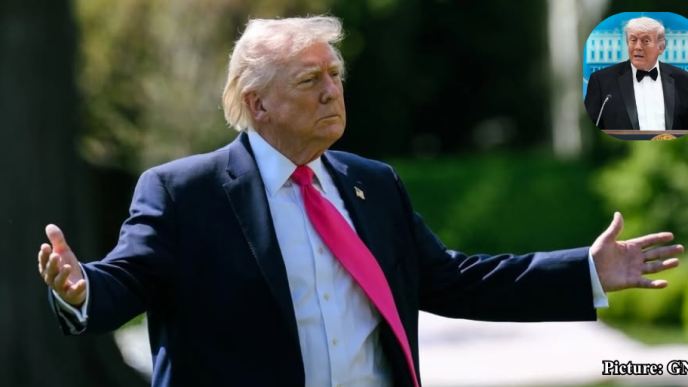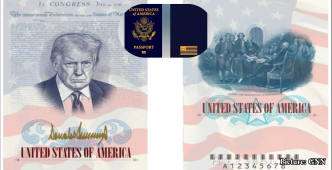
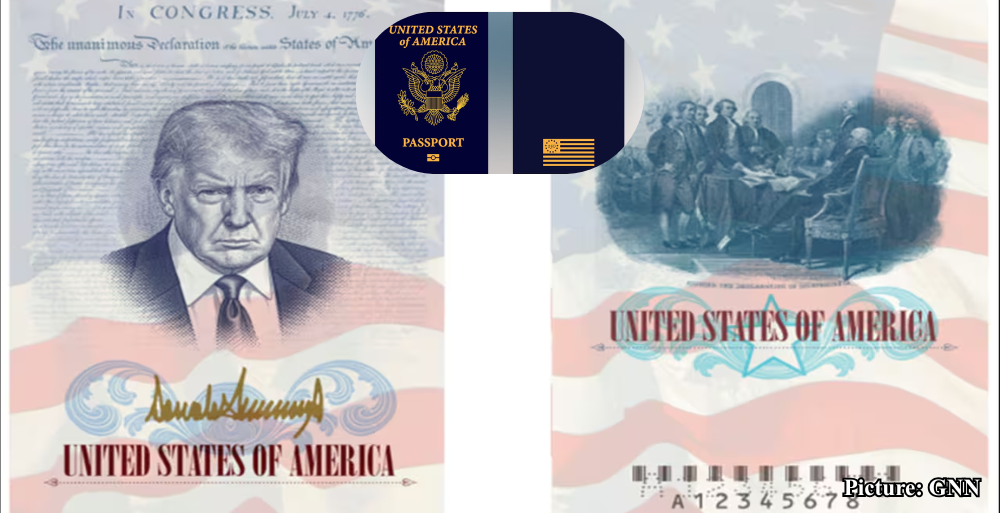
The U.S. State Department is set to release passports featuring an image of former President Donald Trump as part of the commemoration of the 250th anniversary of American independence, sparking discussions about the implications of using a political figure in such a widely recognized national identification document.
In a significant announcement made on Tuesday, the U.S. State Department revealed plans to begin issuing passports featuring an image of Donald Trump, as part of the celebrations for the nation’s upcoming 250th anniversary of independence, set for July 4, 2026. This initiative represents a departure from traditional passport designs and has prompted debate regarding the appropriateness of incorporating a former president’s likeness into a governmental document.
According to a State Department official, the new passport will be the default option for individuals renewing their passports in person at the Washington Passport Agency. However, those who choose to renew their passports online or at locations outside of Washington will receive the existing passport design, which does not feature Trump’s image. The official did not disclose the exact number of the new passports that will be issued, leaving questions about their availability and potential collectibility.
Tommy Pigott, a spokesperson for the State Department, noted that the specially designed passports will include “customized artwork and enhanced imagery” while maintaining the security features that make U.S. passports some of the most secure documents in the world. A mockup of the new passport indicates that Trump’s face and signature will be displayed in gold on the inside cover, with the back cover featuring an image from John Trumbull’s famous painting depicting the signing of the Declaration of Independence.
Significance of the Design Change
The decision to incorporate Trump’s likeness into U.S. passports marks a notable shift in how national symbols are utilized in commemorative contexts. Unlike commemorative coins or national park passes, U.S. passports serve as internationally recognized forms of identification that are typically valid for ten years. This raises questions about the appropriateness of featuring a political figure in a document that symbolizes national identity and unity.
Currently, U.S. passports display an image of Percy Moran’s painting of Francis Scott Key, the author of the national anthem, who wrote the lyrics after witnessing the defense of Fort McHenry during the War of 1812. The lines from the anthem are also printed within the front cover of the passport. The introduction of Trump’s image could be viewed as controversial, as it replaces these traditional patriotic symbols.
Broader Commemorative Efforts
The issuance of these passports is part of a wider initiative to celebrate the 250th anniversary of the United States, a milestone that has prompted various commemorative projects across federal agencies. Last year, the Department of the Interior announced new designs for national park passes, one of which prominently features Trump alongside George Washington. Secretary Doug Burgum remarked on the importance of showcasing the “America the Beautiful” pass, which honors both the anniversary and the generations that have contributed to the preservation of the nation’s natural landscapes.
Additionally, Trump’s Commission of Fine Arts recently approved a commemorative coin featuring the former president’s likeness, further embedding his image into the fabric of national commemorative efforts. This trend reflects a broader narrative in which Trump’s legacy is celebrated in certain political circles, potentially polarizing public opinion on his administration’s impact.
Public and Political Reactions
The announcement regarding the new passports has elicited varied responses from the public and political commentators alike. Supporters of Trump view this as a fitting tribute to his presidency and his influence on modern American politics. Conversely, critics argue that it represents an inappropriate use of government resources for partisan purposes, suggesting that the portrayal of a former president in this manner undermines the nonpartisan nature of governmental institutions.
As the State Department prepares for the rollout of these new passports this summer, the public’s reaction and the discourse surrounding them are likely to intensify. The introduction of Trump’s image into such a significant national document raises questions about the role of political figures in American identity and the implications of celebrating a divisive presidency in a manner that is typically reserved for symbols of national unity.
As the 250th anniversary approaches, the new passports, alongside other commemorative items, will likely serve as focal points for political debate. The decision to feature Trump’s likeness may prompt discussions about the boundaries of political representation in national symbols and the historical narratives that shape American identity. Whether these passports will become collectible items or a subject of controversy remains to be seen, but the implications of this decision will resonate well beyond the summer of 2026.