The Supreme Court’s recent ruling regarding race-based redistricting has sparked significant dissent among its liberal justices, who argue that the decision undermines the Voting Rights Act and threatens racial equality in electoral representation.
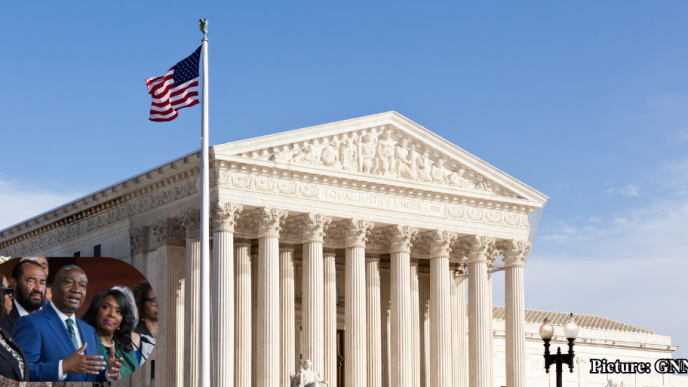
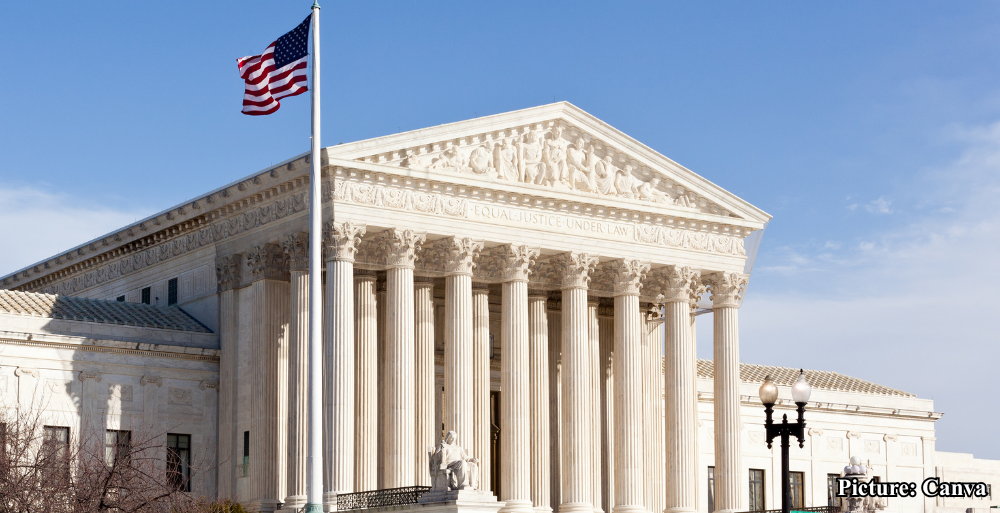
On Wednesday, the Supreme Court of the United States issued a significant ruling concerning the constitutionality of Louisiana’s addition of a second majority-Black congressional district, which it declared an unconstitutional racial gerrymander. This decision, reached by a 6-3 vote along ideological lines, has ignited a fierce debate about the future of the Voting Rights Act of 1965, a landmark law designed to eliminate racial discrimination in voting.
Justice Elena Kagan led the dissenting opinion, which was joined by Justices Sonia Sotomayor and Ketanji Brown Jackson. In a lengthy 48-page dissent, Kagan criticized the majority’s ruling as a “now-completed demolition” of the Voting Rights Act, asserting that it threatens to undermine decades of progress made in combating racial discrimination in electoral processes.
Historical Significance of the Voting Rights Act
Enacted in the wake of the Civil Rights Movement, the Voting Rights Act has been pivotal in shaping electoral politics in the United States. It aimed to address systemic barriers that prevented African Americans and other minority groups from exercising their voting rights. Over the years, the Act has been reauthorized multiple times by Congress, reflecting its importance in American democracy.
Kagan emphasized the historical significance of the Act in her dissent, noting, “It was born of the literal blood of Union soldiers and civil rights marchers. It ushered in awe-inspiring change, bringing this Nation closer to fulfilling the ideals of democracy and racial equality.” She highlighted that the law has been overwhelmingly reauthorized by Congress, underscoring its continued relevance and necessity.
The Court’s Ruling and Its Implications
The Supreme Court’s decision not only affects the state of Louisiana but also sets a precedent that could reshape the landscape of redistricting across the United States. Advocacy groups fear that this ruling will diminish their ability to challenge district maps that dilute minority voting power. The implications extend beyond congressional districts, impacting state, municipal, and local election maps, including those for city councils and public service commissions.
Justice Samuel Alito, representing the majority opinion, characterized the ruling as an “update” to the Voting Rights Act framework, arguing that it prevents judges from overreaching in their interpretations of the law. However, Kagan countered this perspective, asserting that the majority’s framing of the decision ignores its profound consequences. “Even antiseptic,” she remarked, underscoring her belief that the ruling fundamentally erodes protections established under the Act.
Future of Redistricting Battles
The ruling comes at a time when redistricting has emerged as a contentious issue, particularly during the second Trump administration, when various states have initiated redistricting efforts to advantage their political parties. For instance, Texas has drawn maps favoring Republicans, while California has pursued a similar strategy for Democrats. As the landscape of redistricting continues to evolve, the recent Supreme Court decision could embolden states to further manipulate electoral maps without the same level of scrutiny previously afforded by the Voting Rights Act.
In her concluding remarks, Kagan expressed her disapproval of the Court’s actions, stating, “I dissent because Congress elected otherwise. I dissent because the Court betrays its duty to faithfully implement the great statute Congress wrote.” Her impassioned dissent reflects a broader concern among critics that the Court’s ruling may significantly regress the progress made toward ensuring equitable representation in American politics.
Political Reactions and Broader Context
The ruling has drawn sharp criticism not only from the dissenting justices but also from civil rights organizations and various political leaders. Many advocates argue that the decision undermines the core principles of the Voting Rights Act and threatens to perpetuate systemic inequalities in representation. Organizations such as the NAACP Legal Defense Fund and the American Civil Liberties Union have expressed their disappointment, emphasizing the potential negative impact on minority voters across the nation.
Critics of the Court’s majority opinion caution that this decision could set a dangerous precedent, allowing for the dilution of minority voting power in various jurisdictions. Legal experts suggest that the ruling may embolden state legislatures to pursue more aggressive gerrymandering strategies, potentially disenfranchising millions of voters in the process.
Looking Forward: The Ongoing Fight for Voting Rights
The ongoing legal and political battles surrounding redistricting and voting rights are likely to intensify in the coming months, as stakeholders assess the implications of this ruling. This pivotal moment in the judiciary’s interpretation of voting rights will undoubtedly shape the future of electoral representation and the ongoing struggle for racial equality in the United States.
As the nation approaches the next election cycle, the ramifications of this ruling will be closely monitored by advocacy groups, political analysts, and lawmakers alike. The potential for increased polarization around redistricting and voting rights issues could lead to further litigation and legislative efforts to protect minority representation. The Supreme Court’s decisions in this domain will remain a focal point of national discourse, as the balance between state power and federal protections for voting rights continues to be hotly debated.