House Republicans successfully adopted a rule to consider critical legislation regarding the reauthorization of foreign surveillance powers and funding for immigration enforcement, despite internal disagreements and the omission of the farm bill.
On Wednesday, House Republican leaders achieved a significant milestone by securing the adoption of a procedural rule that paves the way for the consideration of two crucial legislative measures: the reauthorization of the Foreign Intelligence Surveillance Act (FISA) and a budget framework to fund immigration enforcement agencies. The House voted 216-210, with the vote largely falling along party lines.
To facilitate the passage of this rule, Republican leaders decided to drop a third piece of legislation, the farm bill, which outlines agricultural policy for the next five years. This concession illustrates the ongoing tensions within the party regarding the prioritization of different legislative initiatives.
Internal Negotiations and Vote Dynamics
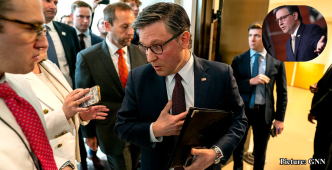
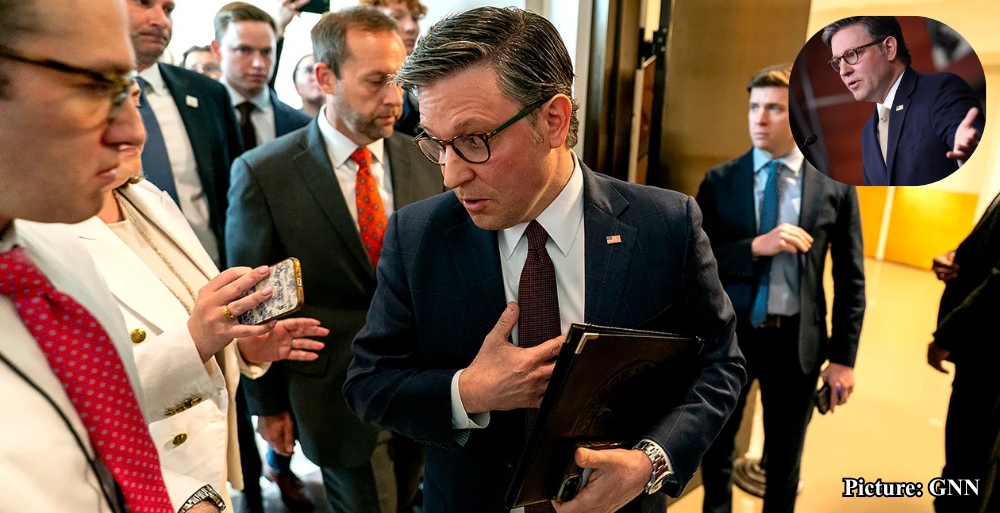
The successful adoption of the rule is considered a significant victory for GOP leadership, especially following a prolonged vote that lasted more than two hours. During this time, Republican leaders engaged in extensive negotiations with dissenting members, persuading them to shift their votes. Notably, Speaker Mike Johnson (R-La.) was seen conversing with Rep. Anna Paulina Luna (R-Fla.), who initially voted “no” but later changed her vote to “present” and then to “yes.”
Similarly, Rep. Lauren Boebert (R-Colo.), who had previously expressed strong objections to aspects of the farm bill and FISA, ultimately voted in favor of the rule after vocal discussions with House Majority Whip Tom Emmer (R-Minn.) and Agriculture Committee Chair GT Thompson (R-Pa.). Boebert emphasized her commitment to advocating for her desired provisions in the farm bill during future negotiations.
Other members who switched their votes from “no” to “yes” included Reps. Eli Crane (R-Ariz.), Andy Biggs (R-Ariz.), Harriet Hageman (R-Wyo.), Troy Nehls (R-Texas), Tim Burchett (R-Tenn.), Keith Self (R-Texas), and Scott Perry (R-Pa.). As negotiations unfolded, various Republicans who had withheld their votes also ultimately supported the rule.
Implications for FISA and Immigration Funding
The path forward for the proposed bills remains uncertain, particularly due to last-minute changes that could hinder their acceptance in the Senate, even if they successfully pass in the House. Republican leaders proposed several compromises to address the concerns of holdouts, including amendments to strip controversial pesticide provisions, the introduction of year-round E15 ethanol fuel sales, and reforms to the foreign surveillance program.
At the forefront of Speaker Johnson’s agenda is the renewal of Section 702 of FISA, which permits the government to conduct surveillance on foreign nationals located outside the United States without a warrant. This section is set to expire shortly, putting additional pressure on House leaders to act swiftly. A final vote on the FISA reauthorization bill is anticipated later today.
However, the inclusion of an anti-Central Bank Digital Currency (CBDC) provision in the FISA bill has raised concerns among some Senate Republicans, with Majority Leader John Thune (R-S.D.) labeling it as “dead on arrival” should it reach the Senate with that amendment attached. Johnson acknowledged his ongoing communication with Thune, expressing hope that the Senate would carefully consider the legislation passed by the House.
“No one on the Republican side, anyway, wants to play around with letting these critical national security tools go unfunded or expire,” said Johnson, indicating a collective urgency among Republicans to ensure the timely passage of FISA reauthorization.
Controversies Surrounding the Farm Bill
Amidst the discussions about FISA and immigration funding, the farm bill has also become a point of contention. The rule now mandates that the farm bill return to the Rules Committee for further consideration. One proposed amendment would allow for year-round sales of E15 ethanol, a measure supported by many corn-state Republicans but met with resistance from others within the party.
Johnson noted that additional negotiations would be necessary, particularly concerning the E15 provision, as members continue to voice their concerns and preferences. “There’s still some negotiation, deliberation and consternation about the farm bill and the E15 provision,” he acknowledged.
Furthermore, the rule permits an amendment vote from Rep. Luna aimed at repealing certain pesticide provisions. Luna reported facing significant pushback regarding her proposal, which she believes is crucial for environmental protections. “They’re getting super nasty,” Luna expressed, referring to the strong reactions from her colleagues.
As the House continues to navigate these complex legislative waters, the outcomes of both the FISA reauthorization and immigration funding efforts remain critical to addressing pressing national issues. Johnson’s leadership during these negotiations will be pivotal as the House seeks to align its priorities amidst internal divisions and external pressures.