Following an extensive suspension of operations that sent shockwaves through the global travel network, Emirates has announced a phased resumption of outbound flights from Dubai International Airport. The carrier is prioritizing passengers with existing bookings and has issued a stern warning for travelers to remain away from the terminal until their specific flight status is confirmed.
The silver lining for thousands of stranded travelers appeared late this afternoon as Emirates, the world’s largest international airline, confirmed it would begin a partial resumption of services starting this evening. The move marks the first significant step toward normalcy after a period of operational paralysis that has tested the resilience of Dubai’s infrastructure and the patience of the global traveling public.
The recovery, however, is being described by industry analysts as a calculated and cautious re-entry into the skies. By prioritizing passengers with existing bookings, Emirates is attempting to clear a massive backlog of travelers while simultaneously managing the logistical complexities of a hub that has been operating well below its standard capacity. The airline has been clear in its communication: this is not a return to a full schedule, but a targeted effort to move the most urgent traffic.
The suspension of flights at Dubai International (DXB)—the world’s busiest airport for international travel—has far-reaching implications that extend well beyond the borders of the United Arab Emirates. As a critical nexus for East-West transit, the halt in Emirates’ operations effectively severed one of the primary arteries of global commerce and tourism. From business executives heading to financial summits in London to families connecting through to Sydney, the disruption has highlighted the vulnerability of the “hub-and-spoke” model when a central node faces a systemic failure.
While the airline has been notably tight-lipped regarding the specific technical or environmental factors that led to the total suspension of services, the scale of the disruption suggests a compounding set of challenges. Whether driven by extreme weather events—which have increasingly plagued the Gulf region’s desert climate—or sophisticated technical hurdles, the result was an unprecedented grounding of a fleet that typically operates over 3,000 flights per week.
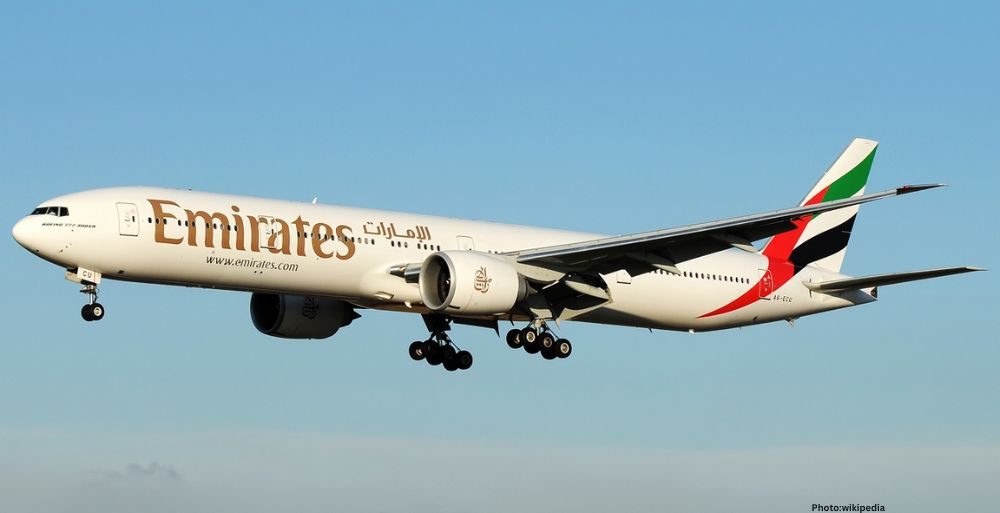
The financial stakes are equally high. Emirates is the crown jewel of “Dubai PLC,” a massive state-backed economic engine that relies heavily on aviation, logistics, and hospitality. Every hour that the airline’s signature Boeing 777s and Airbus A380s remain on the tarmac, the economic ripple effects are felt across the emirate’s GDP. For the broader aviation industry, which is still navigating the post-pandemic landscape of high demand and supply chain volatility, the Dubai shutdown represents a significant “black swan” event that will likely be studied for years to come.
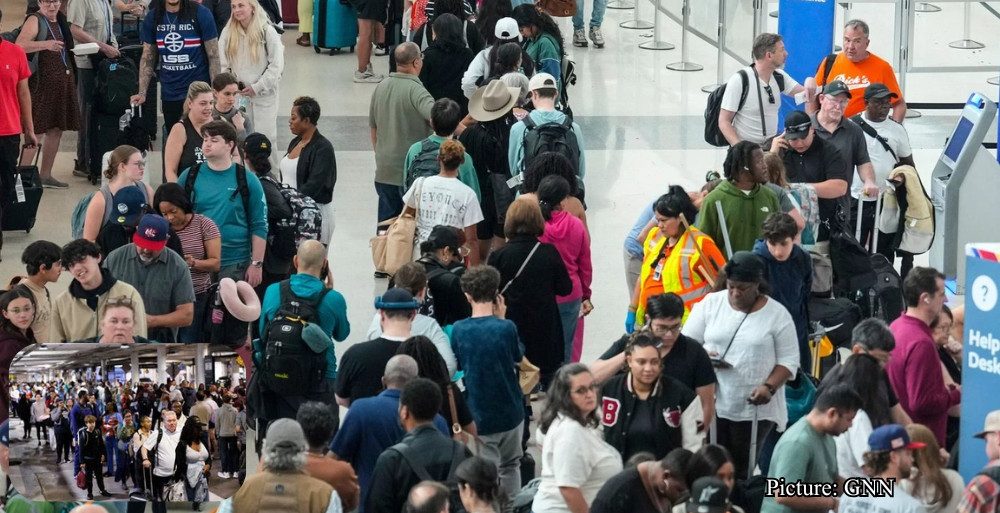
In the immediate term, the airline’s primary challenge is crowd management and communication. Emirates has utilized its social media channels to urge passengers not to arrive at the airport without a direct confirmation of their reassigned flight. This plea comes amid reports of significant congestion at the terminal buildings, where travelers have sought answers and assistance in person. By shifting to a “direct contact only” model for these special flights, the carrier is attempting to prevent further chaos at check-in counters that are already under immense pressure.
“The company continues to monitor the situation closely to adjust its schedule as needed,” a spokesperson for the airline noted, echoing the sentiment of a fluid and evolving crisis. This adaptability will be crucial. Aviation experts point out that restarting an airline of Emirates’ scale is not as simple as flipping a switch. It requires the precise synchronization of flight crews, ground handling, catering, and air traffic control slots, all of which have been thrown out of alignment by the multi-day disruption.
Furthermore, the impact on global cargo and supply chains cannot be overlooked. Emirates SkyCargo is a vital player in the transport of perishables, pharmaceuticals, and high-value electronics. The suspension of passenger flights also means the loss of “belly-hold” capacity, which accounts for a substantial portion of global air freight. As the airline resumes limited operations, the priority will likely remain on passengers, meaning the backlog of global freight may take even longer to resolve, potentially leading to delays in retail and industrial sectors worldwide.
As tonight’s limited departures begin, the eyes of the aviation world remain fixed on Dubai. The ability of Emirates to scale up these “limited flights” into a full-scale restoration of its network will be a litmus test for the airline’s operational maturity and crisis management capabilities. For now, the focus remains on the individual traveler. For those who receive the coveted notification of a confirmed seat, the journey home begins tonight; for many others, the wait in the desert heat continues under a cloud of uncertainty.
The long-term takeaway for the industry will likely revolve around resilience and redundancy. As global hubs become larger and more interconnected, the cost of failure grows exponentially. This week’s events in Dubai serve as a stark reminder that even the most sophisticated aviation ecosystems are susceptible to the unpredictable, requiring a constant re-evaluation of how the world stays moving when its most vital gates are closed.