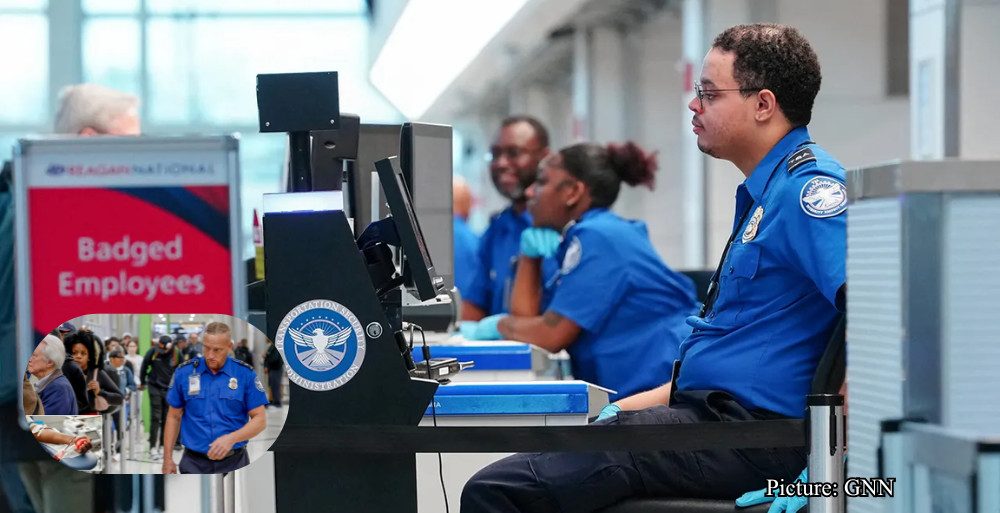
The partial government shutdown has severely impacted Transportation Security Administration officers, leaving many without full pay for over a month and prompting various nonprofits and union organizations to mobilize resources and support.
The ongoing partial government shutdown, which has now reached its 36th day, has had a significant and detrimental effect on federal employees, particularly those within the Department of Homeland Security (DHS). Approximately 50,000 Transportation Security Administration (TSA) officers are among the most affected, forced to work without full pay as negotiations between lawmakers and the White House have stalled. The situation has led to a surge of organized efforts from nonprofits, unions, and community organizations aimed at providing food and other forms of assistance to these essential federal workers.
Background of the Government Shutdown
The current government shutdown originates from a political stalemate primarily centered around funding for Immigration and Customs Enforcement (ICE) and Customs and Border Protection (CBP). The impasse was exacerbated following the tragic killings of Alex Pretti and Renee Good in Minneapolis, which ignited renewed discussions surrounding immigration policy and enforcement. This shutdown follows closely on the heels of the longest government shutdown in U.S. history, which lasted for 43 days and affected over 700,000 federal workers, causing widespread disruptions and long lines at food banks across the country.
Nonprofit Initiatives to Provide Relief
In response to the urgent needs of TSA officers, several nonprofit organizations have mobilized to offer vital support. World Central Kitchen, an organization typically focused on disaster relief, has begun providing meals to TSA officers at airports in the Washington, D.C., area after many of them missed their first paycheck due to the shutdown. Similarly, Feeding San Diego initiated the distribution of 400 boxes filled with essential items such as pasta, beans, peanut butter, and fresh produce to TSA workers at the San Diego International Airport after a request from TSA and local airport authorities.
Carissa Casares from Feeding San Diego emphasized the importance of collaboration with local TSA offices to ensure that aid reaches those in need. “We need to work directly with the people who have direct access to these employees and get this food to them at a time and location that is most convenient to them,” Casares stated, highlighting the logistical challenges posed by ethical guidelines that restrict federal employees from accepting direct gifts.
Union Support and Financial Hardships
Union representatives have raised alarms regarding the financial strain facing TSA officers and their families. Aaron Barker, president of the American Federation of Government Employees (AFGE) Local 554 in Georgia, shared that many union members are struggling to meet basic financial obligations such as utility bills and medical expenses for their children. “For some people, it can be life or death,” Barker said, underscoring the severity of the situation.
While TSA officers are prohibited from accepting cash or gifts directly due to ethical restrictions, union members can accept donations to assist their colleagues. Barker urged individuals interested in helping to connect with local union chapters or labor councils to facilitate contributions. “It’s just sad and terrible that this is happening,” he added, reflecting the frustration and concern felt by many within the workforce.
Community Efforts and Direct Support
Operation Food Search, a hunger relief organization based in Missouri, has taken steps to directly support TSA officers by setting up a temporary pantry at St. Louis Lambert International Airport. Kristen Wild, the nonprofit’s CEO, noted that this initiative represents the first time they have distributed food directly to TSA employees at their workplace. Each food bag distributed contains nearly $20 worth of nonperishable items, adhering to federal guidelines that restrict the value of gifts federal employees can accept. “It removes their need to make an extra trip and drive here,” Wild explained, expressing enthusiasm for the collaboration.
At Seattle-Tacoma International Airport, local food banks and dining vendors have also stepped up to provide support. Airport spokesperson Perry Cooper reported that the airport community has raised approximately $16,000 in cash and food donations for TSA officers. This assistance includes contributions from labor unions and local organizations that recognize the challenges of working without pay during the shutdown. “You know a lot of these people,” Cooper stated, reflecting on the personal connections formed in the airport environment. “You see faces and that throughout the day as you’re wandering through. And then to realize that some of these folks are here and they’re not getting paid, you know, really tugs at your heart.”
Public Sentiment and Support
The public’s empathy for TSA officers has become increasingly evident, with travelers expressing their awareness of the hardships faced by these workers. Musie Hidad, a traveler from Amarillo, Texas, remarked, “The work they are doing is serious and they aren’t getting paid for it. My heart goes out to them.” As the government shutdown persists, the need for organized support remains critical. While donations and community efforts provide temporary relief, many TSA officers and their families ultimately seek a resolution that will restore their pay and alleviate the financial burdens they are currently enduring.
The ongoing negotiations between lawmakers and the White House will significantly determine the future of these workers and the broader implications of government funding for essential services. As the dialogue continues, the solidarity demonstrated by nonprofits, unions, and the public serves as a poignant reminder of the support systems that emerge in times of crisis.