A growing body of research indicates that reducing or eliminating meat from one’s diet can lead to significant health benefits, including lower risks of chronic diseases, improved gut health, and potential weight loss, while also contributing positively to environmental sustainability.
Recent studies highlight the potential health benefits and environmental impacts associated with reducing or eliminating meat from one’s diet. As concerns over health and climate change rise, many individuals are re-evaluating their dietary choices, particularly the consumption of red and processed meats.
Health Risks Associated with Meat Consumption
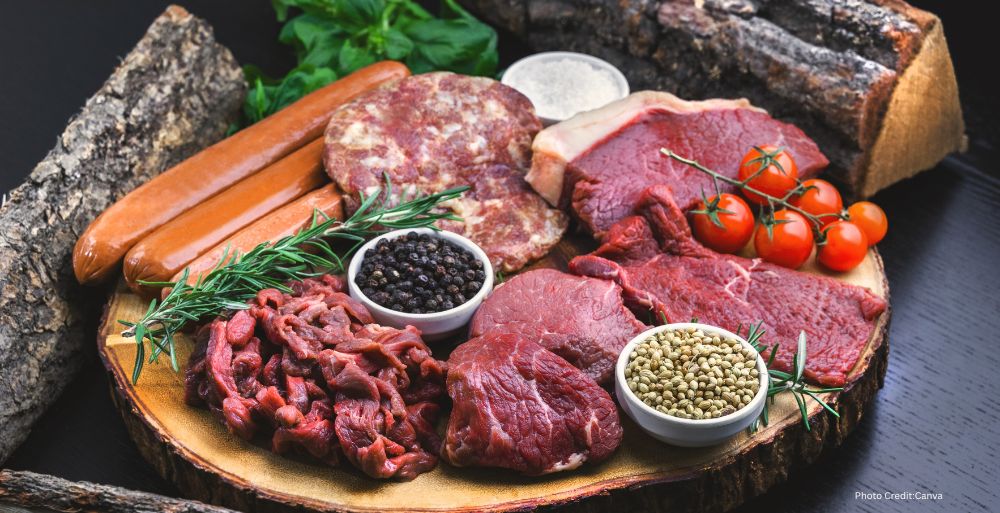
Research has consistently shown that both processed and red meats are high in saturated fats, contributing to long-term health issues, including increased inflammation and a higher risk of various diseases. Processed meats, such as bacon, deli meats, and hot dogs, along with red meats like beef, pork, and lamb, have been linked to a range of health concerns. According to the World Health Organization (WHO), processed meats are classified as a Group 1 carcinogen, meaning there is sufficient evidence to suggest they can cause cancer. Red meats are classified as Group 2A, indicating they are probably carcinogenic to humans.
For instance, a study published in the journal *Diabetes Care* indicated that consuming just half a serving of red meat daily—equivalent to the size of a deck of cards—can elevate the likelihood of developing type 2 diabetes by 48%. This statistic underscores the importance of examining dietary habits and their implications for chronic health conditions. Additionally, diets high in saturated fat can lead to elevated levels of low-density lipoprotein (LDL) cholesterol, which is often referred to as ‘bad’ cholesterol, presenting further cardiovascular health risks.
The Benefits of a Plant-Based Diet
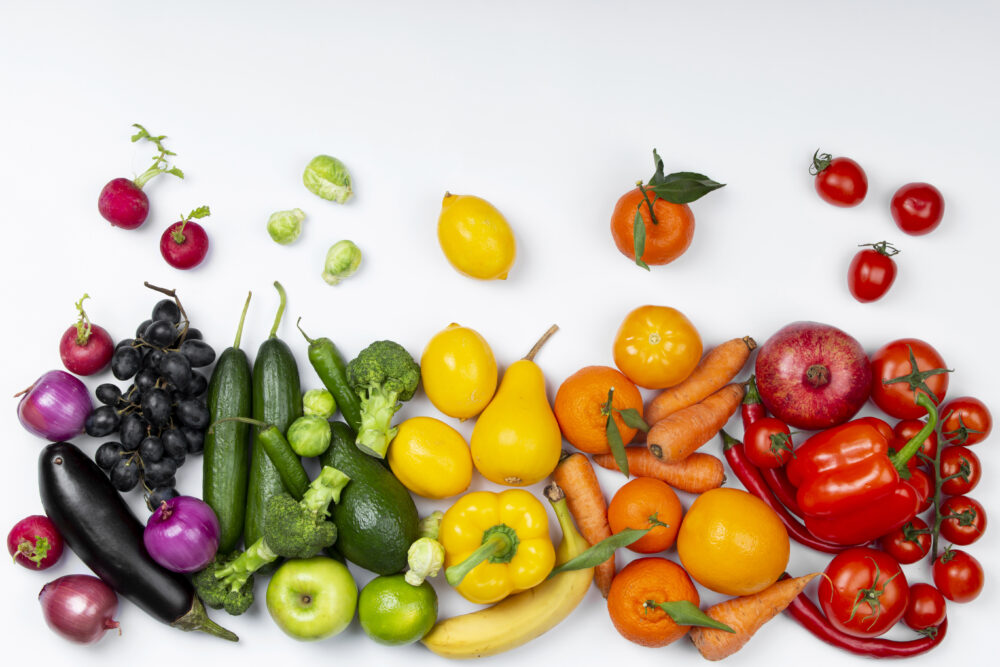
In contrast, a plant-based diet is associated with numerous health benefits. Research indicates that diets rich in fiber, derived from whole grains, fruits, and vegetables, can enhance gut health by promoting the growth of beneficial gut bacteria. This shift towards a plant-centric diet may lower inflammation and reduce the risk of inflammatory diseases. High-fiber foods such as beans, lentils, and whole grains are particularly effective at fostering a healthy gut microbiome.
However, transitioning to a meatless diet may cause initial feelings of fatigue or weakness, primarily due to a reduction in protein and iron intake, nutrients predominantly found in meat. While the body absorbs iron more efficiently from meat sources, alternatives exist in plant-based options such as spinach, lentils, beans, and fortified cereals. Nutritionists recommend incorporating a variety of these foods to meet daily protein and iron needs.
Cholesterol and Cardiovascular Health
Limiting saturated fat intake, which is prevalent in meat products, can lower LDL cholesterol levels. Experts recommend that saturated fats constitute less than 10% of daily caloric intake. Reducing meat consumption can play a crucial role in achieving this goal. For those who still desire meat, opting for leaner cuts can serve as a healthier alternative. Research indicates that individuals who adhere to a plant-based diet or significantly reduce their meat intake may see improvements in cardiovascular health, including lower blood pressure and improved cholesterol levels.
Economic Considerations
From a financial perspective, high-protein plant foods, including beans, peas, and lentils, are often more affordable than meat. A report from the U.S. Department of Agriculture indicates that an individual adhering to a 2,000-calorie diet can obtain sufficient fruits and vegetables for less than $3 per day, making a plant-based diet an economically viable option for many. Additionally, purchasing in-season fruits and vegetables can further reduce grocery bills, encouraging families to make healthier choices without straining their budgets.
Environmental Impact of Meat Reduction
Reducing meat consumption also carries significant environmental implications. The livestock industry is a considerable contributor to greenhouse gas emissions, responsible for approximately 14.5% of global emissions, according to the Food and Agriculture Organization (FAO). Studies indicate that plant-based diets can significantly lower these emissions, helping mitigate climate change. Furthermore, raising livestock requires considerably more land and water compared to growing crops for human consumption. For instance, it takes approximately 1,800 gallons of water to produce a single pound of beef, while a pound of vegetables requires significantly less, highlighting the resource-intensive nature of meat production.
Nutritional Considerations
Despite the benefits of a meatless diet, individuals may face challenges in obtaining essential vitamins and minerals typically derived from animal products. Key nutrients, such as vitamin B12, iron, calcium, and vitamins A, B, and D, are crucial for overall health. Vitamin B12, in particular, is only found in animal-based foods, necessitating supplementation or careful dietary planning for those on a plant-based diet. Nutrition experts advise consulting healthcare providers regarding appropriate supplementation for those transitioning to a plant-based diet, ensuring that nutritional needs are adequately met.
Weight Management and Health Outcomes
A comprehensive review of 15 studies revealed that individuals who adopted a vegetarian diet experienced an average weight loss of approximately 10 pounds, with those classified as overweight losing even more. These findings suggest that a plant-based diet may aid in weight management and promote overall health. By focusing on whole foods and reducing processed food intake, individuals may find it easier to maintain a healthy weight while also benefiting from improved overall health outcomes.
As individuals increasingly consider the implications of their dietary choices, the shift towards reduced meat consumption emerges as a significant factor in fostering both personal health and environmental sustainability. The growing body of evidence supports the notion that adopting a plant-based diet can yield substantial health benefits while simultaneously addressing critical environmental challenges. With public health campaigns and educational initiatives promoting the benefits of plant-based eating, it is likely that more consumers will explore the merits of reducing meat consumption in favor of a healthier lifestyle.