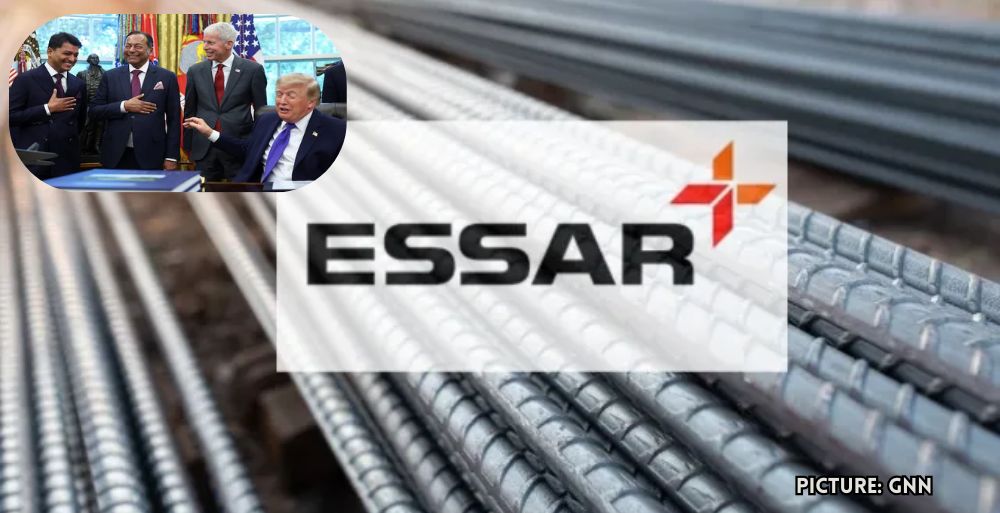
A proposed steel project in Iowa aims to create a significant supply chain linking Minnesota’s iron ore with a new steel plant, backed by an $18 billion investment from Essar Group.
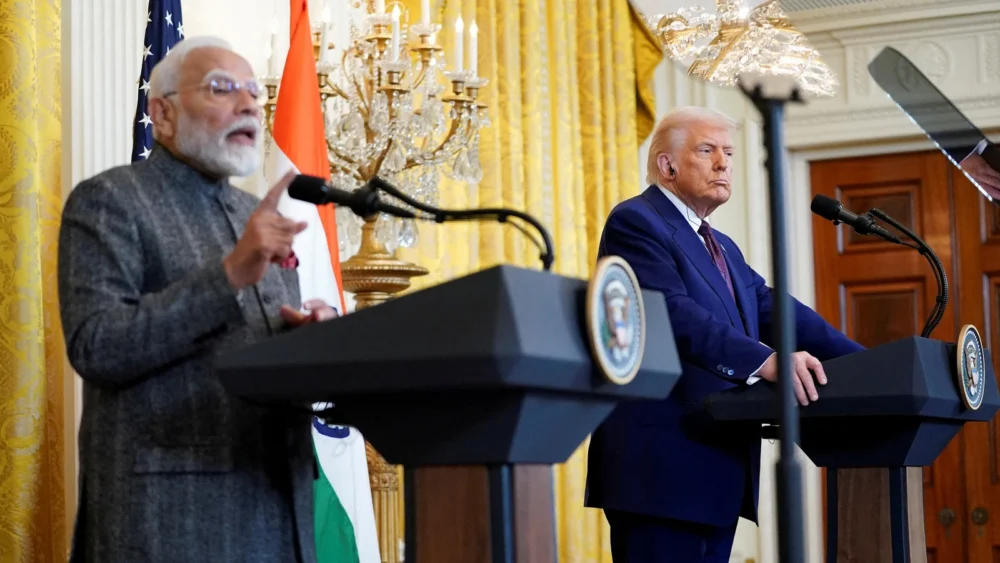
On September 28, 2026, Rewant Ruia, an India-born businessman and son of Essar Group founder Ravi Ruia, joined his father at the White House for the announcement of a substantial investment in a new steel project in Iowa. The planned complex is designed to connect an iron ore mine in Minnesota with a steel production facility in southeastern Iowa, establishing a supply chain that will utilize U.S. railways and energy resources.
During the White House event, President Donald Trump emphasized the significance of the investment, highlighting the potential for substantial job creation and economic impact. “This project is expected to create up to 6,000 construction jobs and nearly 2,000 jobs in manufacturing and mining sectors,” he stated, although these figures remain projections as the facility has yet to commence production.
Investment Details and Economic Implications
Ravi Ruia estimated the total investment at approximately $18 billion, responding to inquiries about the project’s financial scope during the announcement. However, discrepancies emerged regarding the breakdown of the investment. Commerce Secretary Howard Lutnick characterized the project as comprising a $2.5 billion investment for the mine and a $15 billion investment for the steel plant. Rewant Ruia clarified that the family would be directly investing $3 billion into the Minnesota mine.
Despite the conflicting figures, the overarching objective remains clear: to establish one of the largest steel production facilities in American history. Trump projected that the Iowa plant would ultimately produce around 10 million tons of steel annually, sourced from the Minnesota mine.
Historical Context and Future Prospects
The proposed steel complex is strategically positioned to revitalize the region, linking Minnesota’s historic Iron Range—known for over a century of iron ore production—with Iowa’s robust manufacturing sector. This connection is expected to bolster local economies and provide opportunities for regional suppliers, as noted by Iowa Governor Kim Reynolds. She expressed optimism about the project, emphasizing its potential to create jobs and foster collaboration with local businesses.
However, the scale of the project introduces complexities. Constructing a facility of this magnitude will necessitate years of development, including construction, equipment installation, and commissioning before reaching full production capacity. Given the ambitious timeline, stakeholders will be closely monitoring the progress of the project.
Government Support and Funding Questions
The announcement also raised questions regarding government support for the initiative. Lutnick mentioned that the Export-Import Bank had facilitated financing for the Minnesota mine, while the steel plant’s construction is expected to be funded through private capital. Specific details regarding financing terms and the construction schedule were not disclosed during the announcement, leaving some aspects of the project shrouded in uncertainty.
Rewant Ruia expressed a personal connection to the United States, stating, “While I was born in India, I went to high school in New York, college in Boston, and did my MBA in California. I spent half my life here, so announcing this investment today is a great honor and a true homecoming for me.” This sentiment underscores the Ruia family’s commitment to the U.S. market and their intent to leverage their extensive experience in building steel plants, refineries, ports, and power facilities for the new venture.
As the project unfolds, it will be essential for stakeholders, including government officials, private investors, and local communities, to engage in transparent dialogue about the implications of such a significant investment. The potential for job creation and economic development in Iowa and Minnesota is substantial, but realization of these benefits will depend on successful execution and collaboration among all parties involved.
Broader Implications for the U.S. Steel Industry
The announcement is particularly timely, as the U.S. steel industry has been grappling with various challenges, including international competition and fluctuating demand. By establishing a new steel plant in Iowa, the Essar Group aims to position itself strategically within the U.S. market, potentially contributing to the revitalization of domestic steel production capacities.
Moreover, this investment aligns with the broader trend of increasing domestic manufacturing, an initiative that has gained momentum in recent years due to geopolitical concerns and supply chain vulnerabilities exposed by the COVID-19 pandemic. The focus on sourcing materials domestically is likely to enhance national security and economic resilience.
Conclusion
In conclusion, the proposed steel project represents a significant investment in the future of American manufacturing, with promises of job creation and economic growth. As the Essar Group moves forward with this ambitious plan, the focus will be on navigating the complexities of large-scale industrial development while ensuring community engagement and sustainable practices. Stakeholders will be watching closely to see how this initiative unfolds, particularly in the context of the current economic landscape and the pressing need for domestic industrial capacity.